Balanced Meals from Pantry Staples
There is a particular kind of evening that derails even the best intentions: you get home late, the fridge looks thin, and the takeaway app is already open on your phone. A stocked pantry changes that moment. Not a pantry full of random cans you bought on sale three years ago, but a small set of ingredients you actually like, arranged so dinner is ten minutes away instead of forty.
Pantry cooking gets a bad reputation because people picture it as bland — plain rice, plain beans, a tin of something uninspiring. That is a shopping problem, not a pantry problem. With a protein, a grain, a vegetable, and something sharp or salty to wake it up, the same shelf can produce meals that feel cooked, not assembled. This guide shows you how to build those meals, keep the sodium in check, and stretch one pantry shop across a whole week.
What actually counts as a pantry staple?
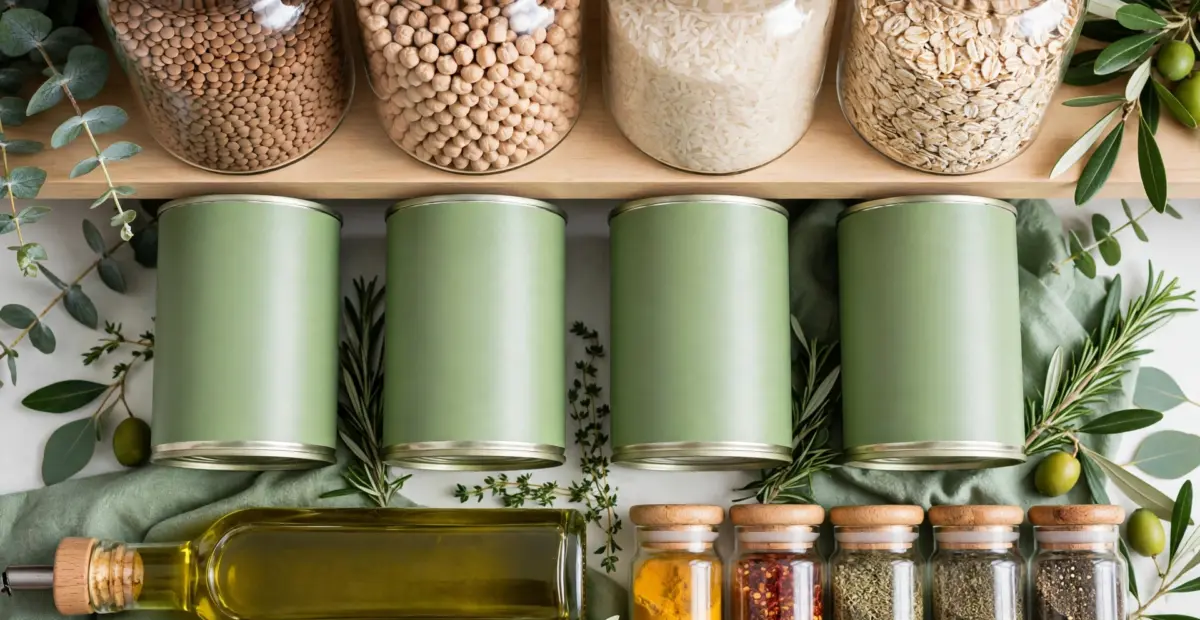
A real staple earns its shelf space in three ways: it keeps well, it works in more than one kind of meal, and you will happily eat it twice in one week. If an ingredient only fits a single recipe you make twice a year, it is a specialty item, not a staple. Start with these groups, and pick one or two favorites from each rather than buying everything at once.
Grains and starches: brown rice, oats, whole-wheat pasta, quinoa, and couscous. They are the base that turns a can of beans into a meal instead of a snack. Proteins: canned beans and lentils, canned tuna or sardines, dried lentils, eggs (fridge, but they last weeks), peanut butter, and tofu if you keep a shelf-stable pack or two. Vegetables: canned tomatoes, tomato paste, canned corn and peas, jarred roasted peppers, and frozen vegetables — frozen counts here because it keeps for months and cooks straight from the bag. Flavor builders: olive oil, vinegar, soy sauce, dried herbs and spices, garlic, onion, chili flakes, mustard, and a jar of salsa or curry paste.
Notice what is missing: most sauces in squeeze bottles, instant noodle seasoning packets, and anything you bought because it was on offer and have never opened. A pantry that works is a pantry you can see at a glance. If you cannot find the chickpeas behind three rows of tins, they do not exist at dinnertime.
The pantry-plate formula
Forget complicated meal plans for a second. Almost every balanced pantry dinner follows the same shape: half vegetables, a quarter protein, and a quarter grains or starchy food, plus a spoonful of healthy fat. The World Health Organization recommends at least 400 grams of fruit and vegetables a day — roughly five portions — and canned or frozen vegetables count toward that total just as fresh ones do, as long as you watch the added salt and sugar on the label.
Here is how the formula plays out in practice. A can of black beans, rinsed, tossed with frozen corn, canned tomatoes, cumin, and lime over brown rice: vegetables, protein, grain, done. Tuna stirred through whole-wheat pasta with frozen peas, olive oil, lemon, and chili flakes: same shape, different shelf. Once you can see the pattern, you stop hunting for recipes and start swapping: no black beans? Chickpeas. No rice? Pasta. No lime? Vinegar. The meal stays balanced because the structure stays the same.
Read also: How to Stock a Healthy Pantry
Five pantry meals that feel like real dinners
These are not recipes with twenty steps. They are builds — a base, a protein, a vegetable, and a finish — that you can vary endlessly.
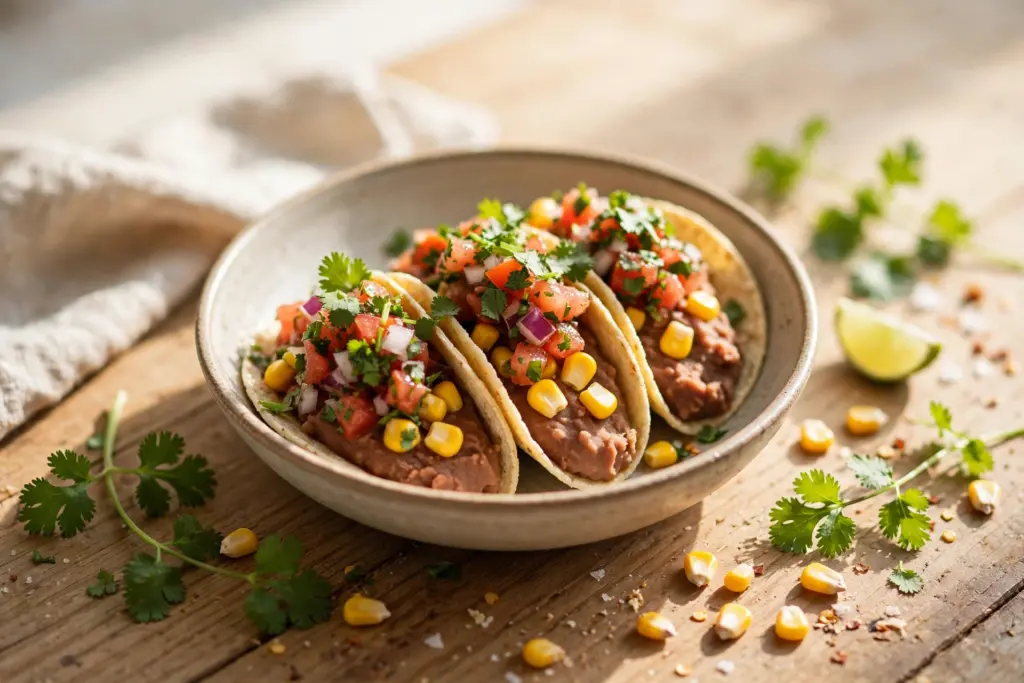
1. Bean tacos in fifteen minutes. Warm canned pinto or black beans with cumin, garlic powder, and a spoonful of tomato paste. Spoon into tortillas with canned corn, salsa, and shredded cabbage if you have it. Beans bring fiber and plant protein to the plate; a cup of cooked lentils, for comparison, provides about 18 grams of protein and 15.6 grams of fiber, according to USDA FoodData Central data.
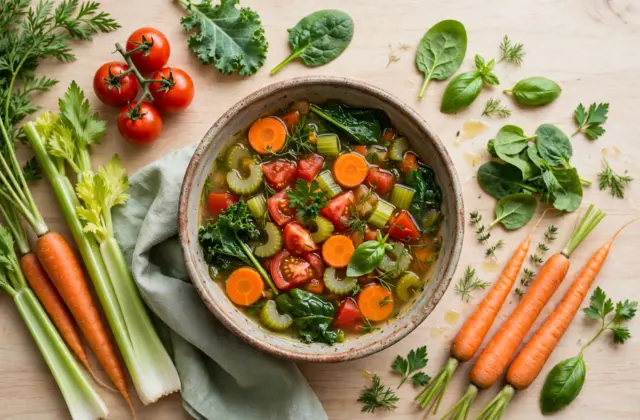
2. Lentil and tomato soup. Simmer dried red lentils with canned tomatoes, onion, garlic, and vegetable stock for twenty minutes, then finish with olive oil and lemon. Red lentils break down on their own, so there is no blending step, and the pot tastes better the next day.
3. Tuna and white bean pasta. Toss hot whole-wheat pasta with a can of tuna, a can of rinsed cannellini beans, frozen peas, olive oil, and chili flakes. It sounds odd until you try it: the beans make the dish creamy and filling without cream, and the whole thing takes as long as the pasta takes to cook.
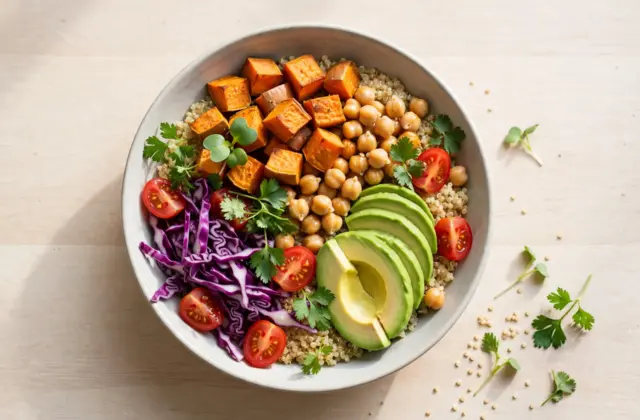
4. Chickpea grain bowls. Start with cooked quinoa or brown rice, add rinsed chickpeas, canned corn, jarred peppers, and a dressing of olive oil, lemon juice, and mustard. Make a double batch of grains and you have lunch sorted for the next day too.
5. Pantry shakshuka. Simmer canned tomatoes with onion, garlic, cumin, and paprika, then crack in eggs and cover until the whites set. Serve with toast or rice. It works for breakfast, lunch, or dinner, which is exactly what a good pantry meal should do.
The sodium trap — and the thirty-second fix
Here is the honest downside of pantry cooking: canned foods are often salted for preservation, and salt adds up fast. The World Health Organization advises keeping salt below 5 grams a day, which is about 2 grams of sodium, and much of that can quietly come from canned goods before you ever pick up the salt shaker.
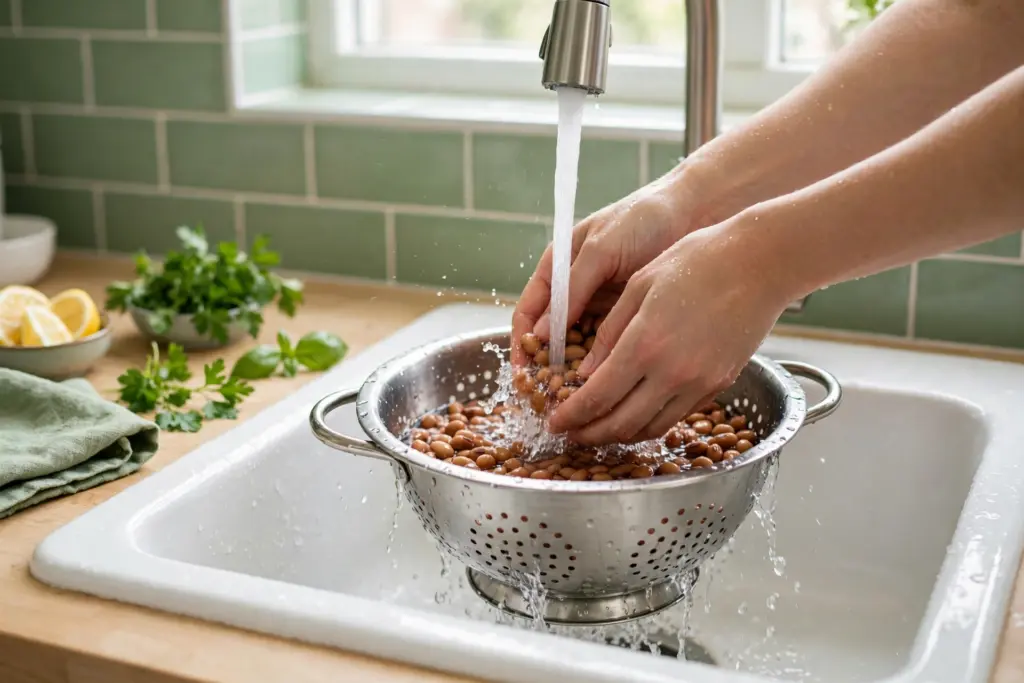
The fix is almost embarrassingly simple. Drain canned beans and rinse them under running water for about thirty seconds. A study by Duyff and colleagues found that draining alone cut the sodium in canned beans by 36 percent, and draining plus rinsing cut it by 41 percent. For canned vegetables, USDA research found draining and rinsing lowered sodium by roughly 9 to 23 percent depending on the vegetable. Rinsing also washes away some of the starchy liquid that makes beans taste flat, so the food genuinely tastes better. Two habits are worth keeping alongside it: buy no-salt-added or low-sodium cans when the price is similar, and always read the label — two cans of the same beans can carry very different sodium numbers.
Balanced without fresh produce? Yes — with a few rules
Fresh produce is wonderful, but a pantry meal does not fail for lacking it. Frozen vegetables are picked and frozen at peak ripeness, and they hold their nutrients well in the freezer; canned tomatoes are one of the few foods where processing is arguably a plus, since cooking concentrates their flavor. The trick is choosing well. Pick canned vegetables packed in water rather than syrup or heavy brine, pick fruit packed in juice or water rather than syrup, and add a fresh element when you can — a squeeze of lemon, a handful of herbs, a raw onion sliced thin — to lift the whole plate.
Also watch the sugar hiding in pantry staples. The World Health Organization recommends keeping free sugars below 10 percent of daily energy, ideally below 5 percent — about 50 grams, or 12 teaspoons, on a 2,000-calorie day for the 10 percent limit. Baked beans in sweet sauce, sweetened chili sauces, and flavored instant oats can each carry several teaspoons per serving. They are not forbidden foods; they are just foods to portion with your eyes open, and to balance with plainer staples the rest of the day.
Stock it once, eat from it all week
A pantry only saves you money if you actually rotate it. Put new cans behind old ones, write the month on anything you decant into jars, and cook from the front of the shelf first. Most canned goods keep their quality for a year or more unopened, but once a can is open, treat the contents like any leftover: refrigerate promptly and use within a few days.
Leftovers deserve the same discipline. The USDA guidance is straightforward: refrigerate cooked food within two hours of cooking, keep the fridge at 40°F (4°C) or below, and eat refrigerated leftovers within 3 to 4 days, or freeze them for 3 to 4 months. That rule turns one pot of lentil soup into three planned meals — tonight’s dinner, tomorrow’s lunch, and a freezer portion for the week you will be too tired to cook. Label the freezer container with the dish and the date; future you will be grateful, and will not have to play the guessing game with a frosty mystery box.
Read also: How to Cook More Meals at Home
A starter shopping list
If your shelves are nearly bare, this single shop covers the five meals above and plenty of variations: brown rice, whole-wheat pasta, oats, two cans each of black beans, chickpeas, and canned tomatoes, one can of tuna, dried red lentils, frozen peas, frozen mixed vegetables, tomato paste, olive oil, vinegar, soy sauce, cumin, garlic powder, chili flakes, onion, and lemons. That is under twenty items, and it is the difference between “there is nothing to eat” and “dinner is fifteen minutes away” for the next two weeks.
Read also: How to Prep Produce for the Week
Frequently asked questions
Are canned foods less nutritious than fresh? Not necessarily. Canning and freezing preserve most nutrients, and in some cases frozen produce compares favorably with fresh produce that has spent days in transit and in the fridge. The bigger differences come from added salt, sugar, and sauces, which is why the label matters more than the can itself.
Should I always rinse canned beans? It is a good default, especially for beans packed in salty liquid: draining and rinsing cuts sodium by about 41 percent. The one exception is when you want the starchy liquid on purpose, such as aquafaba for baking — and even then, a no-salt-added can is the better starting point.
How do I keep pantry meals from getting boring? Change one element at a time. Same beans, different spice — cumin one night, smoked paprika the next, curry paste after that. Same grain bowl, different dressing. Boredom usually comes from repeating the exact same plate, not from repeating the same ingredients.
What if I only have five pantry items? Pick the formula, not the recipe. One grain, one protein, one vegetable, one fat, one flavor. Rice, eggs, frozen peas, olive oil, and soy sauce make a fried-rice dinner. Pasta, canned tomatoes, garlic, olive oil, and chili flakes make a pantry classic. Five items are enough when they cover five jobs.
Sources
- World Health Organization — Nutrition for a healthy life (at least 400 g fruit and vegetables a day; salt below 5 g/day; free sugars below 10% of energy, ideally below 5%; total fat below 30% of energy)
- USDA research on rinsing canned vegetables, summarized by Simply Recipes (draining and rinsing lowers sodium by roughly 9–23% depending on the vegetable)
- USDA Nutrient Data Laboratory findings on canned beans and vegetables (draining canned beans cuts sodium by 36%; draining and rinsing by 41%)
- USDA FoodData Central — Lentils, mature seeds, cooked, boiled, without salt (1 cup cooked: about 230 kcal, 17.9 g protein, 15.6 g fiber)
- FoodSafety.gov — Tips for keeping leftovers safe (refrigerate leftovers promptly; most cooked leftovers keep 3–4 days in the fridge at 40°F or below)
This article is for general information only and is not medical advice. If you have a health condition that affects your diet, such as kidney disease, diabetes, or a sodium restriction, talk with your clinician or a registered dietitian about what fits your needs.