Easy Vegetarian Dinner Ideas
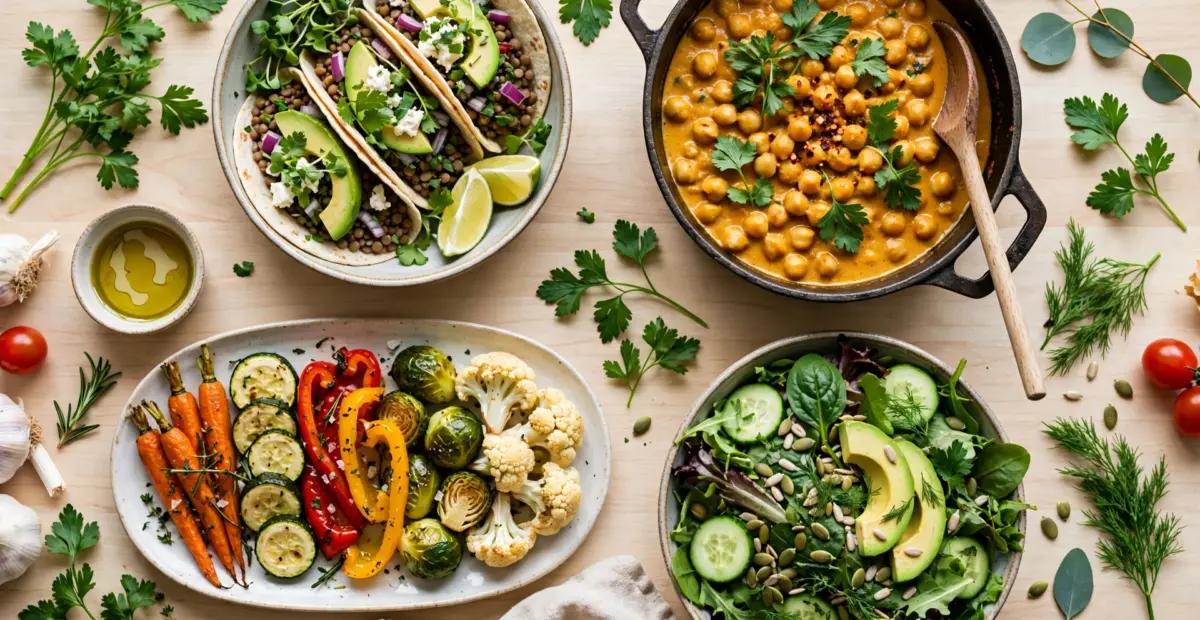
Some nights, dinner needs to happen fast, use what’s already in the kitchen, and still leave you feeling properly fed. That’s where vegetarian dinners earn their keep. A pot of lentils, a block of tofu, a tin of chickpeas — these are the weeknight workhorses that turn a random collection of vegetables into a real meal. You don’t need a special diet, a new set of skills, or a long shopping list. You need a protein anchor, a couple of vegetables, a grain, and something that makes it taste good.
Vegetarian dinners have a reputation for being light in a bad way — a salad that leaves you hungry an hour later. That usually happens when the meal is missing protein or fiber, the two things that keep you full. Get those right and a meatless dinner can be as satisfying as anything else on the table. The 2025–2030 Dietary Guidelines for Americans even moved beans, peas, and lentils into the protein foods group, alongside chicken, eggs, and fish — a quiet acknowledgment that a cup of cooked legumes competes with meat on protein while carrying fiber that meat never has.
What makes a vegetarian dinner actually filling
Think of dinner as three parts that each do a job. Protein steadies your appetite. Fiber slows digestion and adds bulk. Healthy fat carries flavor and helps you absorb fat-soluble vitamins. When all three are present, you stop eating because you’re satisfied, not because the plate is empty.
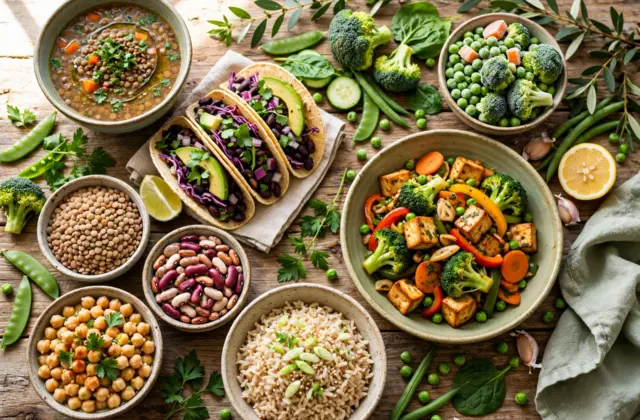
The numbers make this concrete. A cup of cooked lentils gives you about 18 grams of protein and nearly 16 grams of fiber, according to USDA FoodData Central. Chickpeas land at roughly 14.5 grams of protein and 12.5 grams of fiber per cup, black beans around 15 grams of protein, and a 3-ounce serving of extra-firm tofu about 9 grams. Edamame is another easy win at roughly 17 grams of protein per cup. Pair any of these with a whole grain and vegetables, and most people land comfortably in the range of 20 to 30 grams of protein for the meal — without counting a single thing.
Fiber deserves a mention too. The World Health Organization recommends at least 25 grams of naturally occurring fiber a day, and most adults fall short. A lentil-based dinner alone can cover more than half of that in one sitting. That’s one reason bean and lentil dinners feel so different from a plain pasta night: the fiber is doing real work.
The five-minute formula for weeknight vegetarian dinners
When you’re tired and the fridge looks uninspiring, run through this formula instead of staring into it:
1. Pick a protein. Lentils, chickpeas, black beans, tofu, tempeh, eggs, or Greek yogurt. Canned beans count — rinse them and they’re ready in a minute.
2. Add vegetables — two kinds if you can. One fresh or frozen, one that cooks down into the sauce, like onions, peppers, or tomatoes. The WHO recommends at least 400 grams of fruit and vegetables a day, about five portions, and dinner is the easiest meal to load up.
3. Add a grain. Brown rice, quinoa, whole-wheat pasta, or bread. Whole grains bring their own fiber and make the meal feel complete. The 2025–2030 Dietary Guidelines suggest 2 to 4 servings of whole grains a day.
4. Finish with flavor. A spoonful of olive oil, lemon juice, garlic, cumin, soy sauce, or chili flakes. This is the step people skip, and it’s the step that makes the difference between a dinner you tolerate and one you actually look forward to.
Read also: How to Create a Balanced Vegetarian Plate
Seven easy vegetarian dinner ideas
Each of these takes 30 minutes or less, uses pantry staples, and follows the formula above. Pick one tonight and rotate the rest through the week.
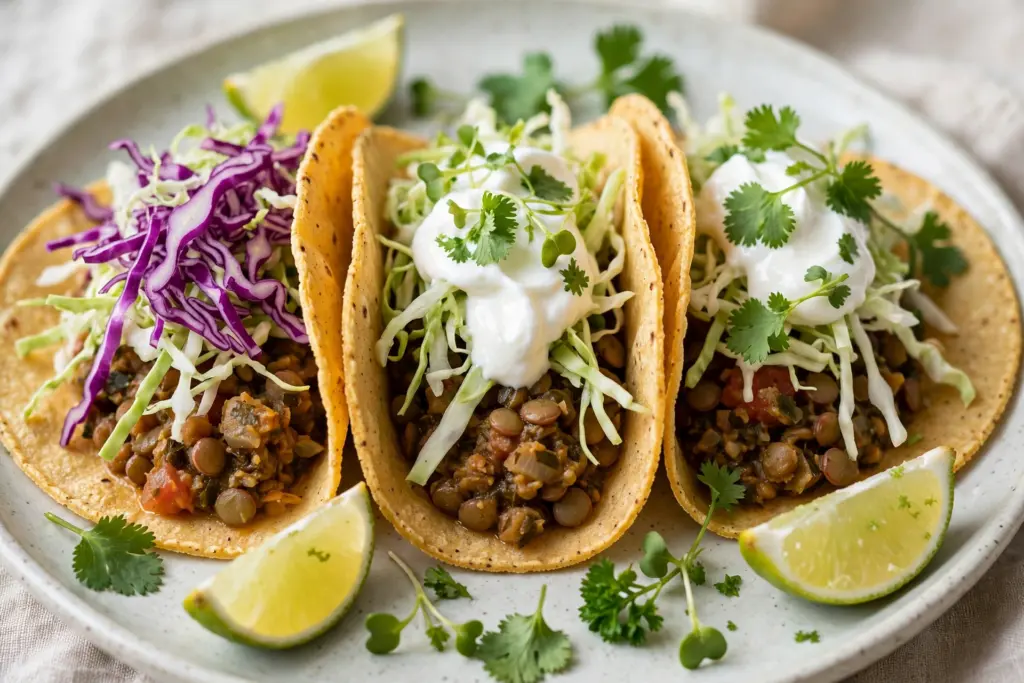
1. Lentil tacos with lime and cabbage
Simmer brown or green lentils with cumin, smoked paprika, and garlic — about 20 minutes, no soaking needed. Spoon into warm corn tortillas with shredded cabbage, a squeeze of lime, and a dollop of Greek yogurt. The lentils bring the protein and fiber; the lime and cabbage bring crunch and vitamin C, which helps your body absorb the iron in the lentils.
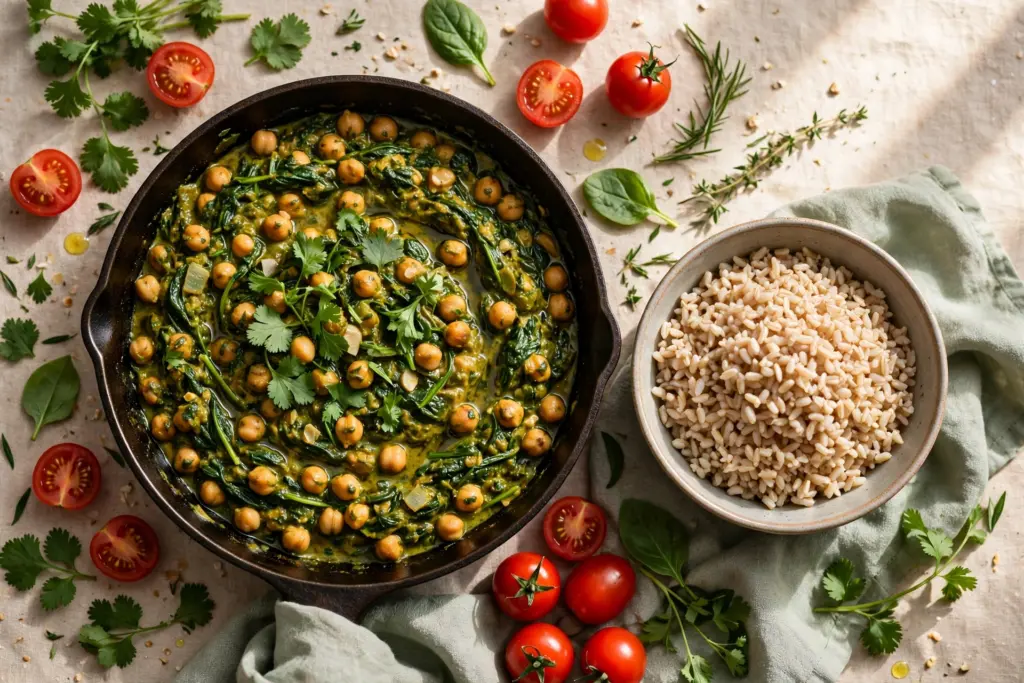
2. Chickpea and spinach curry
Soften an onion, add curry powder and a tin of tomatoes, then tip in a tin of chickpeas and a few big handfuls of spinach. Fifteen minutes, one pan. Serve over brown rice. Chickpeas hold their shape, the spinach wilts into the sauce, and the tomatoes add the vitamin C that makes the iron in the chickpeas more available.
3. Crispy tofu stir-fry
Press extra-firm tofu, cube it, and fry in a little oil until the edges turn golden — about 8 minutes. Toss in frozen stir-fry vegetables and a sauce of soy sauce, garlic, ginger, and a spoonful of honey. Serve over rice or noodles. Tofu soaks up whatever flavors you give it, so this is the dinner to make when the fridge is nearly empty.
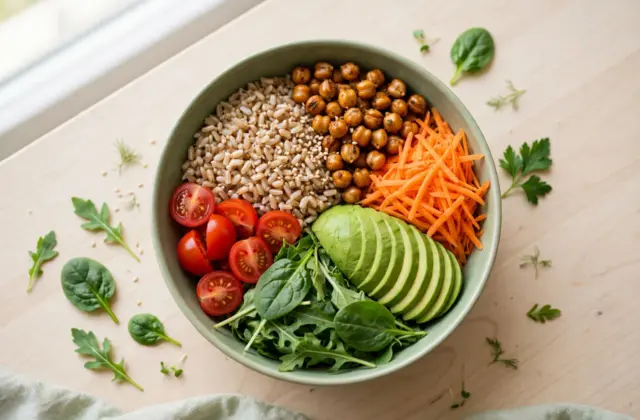
4. Black bean burrito bowls
Start with a base of rice, add seasoned black beans, sweetcorn, diced tomato, and avocado. A spoonful of salsa and a squeeze of lime finish it. Everyone builds their own bowl, which makes it a good option when people at the table want different things. Keep a tin of beans and a bag of frozen corn on hand and this is a ten-minute dinner.
5. Shakshuka with crusty bread
Simmer peppers, onions, and tomatoes with cumin and paprika, then crack eggs into wells in the sauce and cover until the whites set — about 8 minutes. Each egg adds around 6 grams of protein, and the tomato sauce supplies vitamin C alongside the iron in the dish. Tear up bread for scooping and dinner is done.
6. White bean pasta with greens
While whole-wheat pasta cooks, sauté garlic and chili flakes in olive oil, add a tin of cannellini beans and a few handfuls of kale or spinach, and toss it all together with a splash of pasta water. It’s a 20-minute dinner that tastes like it took longer, and the beans turn a simple pasta into a meal with staying power.
7. Sheet-pan gnocchi with vegetables
Toss shelf-stable gnocchi, cherry tomatoes, zucchini, and red onion with olive oil and roast at a high heat for about 20 minutes. The gnocchi crisp at the edges while the vegetables soften. Scatter over some crumbled feta or grated Parmesan. One tray, no stirring, minimal washing up.
Read also: How to Add Protein to Everyday Meals
A quick word on iron and vitamin B12
Vegetarian dinners are easy to make filling, but two nutrients deserve a little planning. Iron from plant foods is absorbed less efficiently than iron from meat — the National Institutes of Health estimates absorption of about 5 to 12 percent from a vegetarian diet, compared with 14 to 18 percent from a mixed diet. That’s why the iron recommendation for vegetarians is roughly 1.8 times higher: about 32 mg a day for women aged 19 to 50, and about 14 mg for adult men, versus 18 mg and 8 mg for people who eat meat.
The practical fix is simple and delicious: pair iron-rich foods with vitamin C at the same meal. Lentils with tomatoes, tofu with peppers, beans with citrus — vitamin C substantially increases how much non-heme iron your body absorbs. The dinner ideas above already do this without trying, which is the point. Tea and coffee, on the other hand, can reduce iron absorption when drunk with a meal, so save them for later if iron is a concern for you.
Vitamin B12 is the other one to watch. It occurs naturally only in animal foods, so lacto-ovo vegetarians get it from dairy and eggs, while people eating fully plant-based need fortified foods — some cereals, plant milks, and nutritional yeast — or a supplement. The recommended daily amount for adults is 2.4 micrograms. If you eat little or no dairy and eggs, this is worth a conversation with your clinician rather than a guess.
Make it a habit, not a project
The easiest vegetarian dinners are the ones that don’t require a decision. A few habits make that happen. Cook a big pot of grains on Sunday — brown rice and quinoa both keep well for days. Keep tinned beans, lentils, and tomatoes in the pantry, and frozen vegetables and edamame in the freezer. Wash and chop vegetables when you bring them home, so the hardest part of dinner is already done.
And don’t aim for variety every single night. Most families eat the same eight or ten dinners on rotation, and that’s fine. Pick three or four of the ideas above that your household actually likes, get good at them, and let them become the default. A vegetarian dinner you make without thinking beats an ambitious one you never get around to.
Read also: How to Add More Vegetables to Your Meals
Frequently asked questions
Do vegetarian dinners have enough protein?
Yes, when they’re built around a protein source. A cup of cooked lentils has about 18 grams of protein, chickpeas about 14.5 grams, and black beans around 15 grams. Combine a legume with a whole grain and vegetables and most dinners land at 20 to 30 grams of protein, which is plenty for one meal.
What is the easiest vegetarian dinner for beginners?
Black bean burrito bowls or chickpea curry. Both use tinned beans, take under 20 minutes, and are hard to get wrong. If you can open a tin and stir a pan, you can make them.
How do I make a vegetarian dinner filling?
Include a protein anchor (beans, lentils, tofu, eggs), a fiber source (whole grains, vegetables), and a little healthy fat (olive oil, avocado, nuts). Meals that skip protein or fiber are the ones that leave you hungry an hour later.
Do I need to worry about iron on a vegetarian diet?
It’s worth paying attention to. Plant iron is absorbed less efficiently, so vegetarians need about 1.8 times the standard iron recommendation. Pairing iron-rich foods with vitamin C at the same meal — lentils with tomatoes, tofu with peppers — helps your body absorb more of it.
Sources
- World Health Organization — Healthy diet fact sheet
- National Institutes of Health, Office of Dietary Supplements — Iron fact sheet for health professionals
- National Institutes of Health, Office of Dietary Supplements — Vitamin B12 fact sheet for health professionals
- USDA FoodData Central
- Dietary Guidelines for Americans, 2025–2030
Disclaimer: This article is for general information only and is not medical advice. If you have a health condition or specific dietary needs, talk to a qualified health professional before changing your diet.