Healthy Meal Prep Ideas for Work Lunches
There is a specific kind of morning chaos that makes lunch the first thing you abandon. You are already running late, the fridge offers nothing ready to grab, and the vending machine or the nearest takeaway wins by default. It is not a willpower problem. It is a planning problem, and it is fixable in about an hour on Sunday.
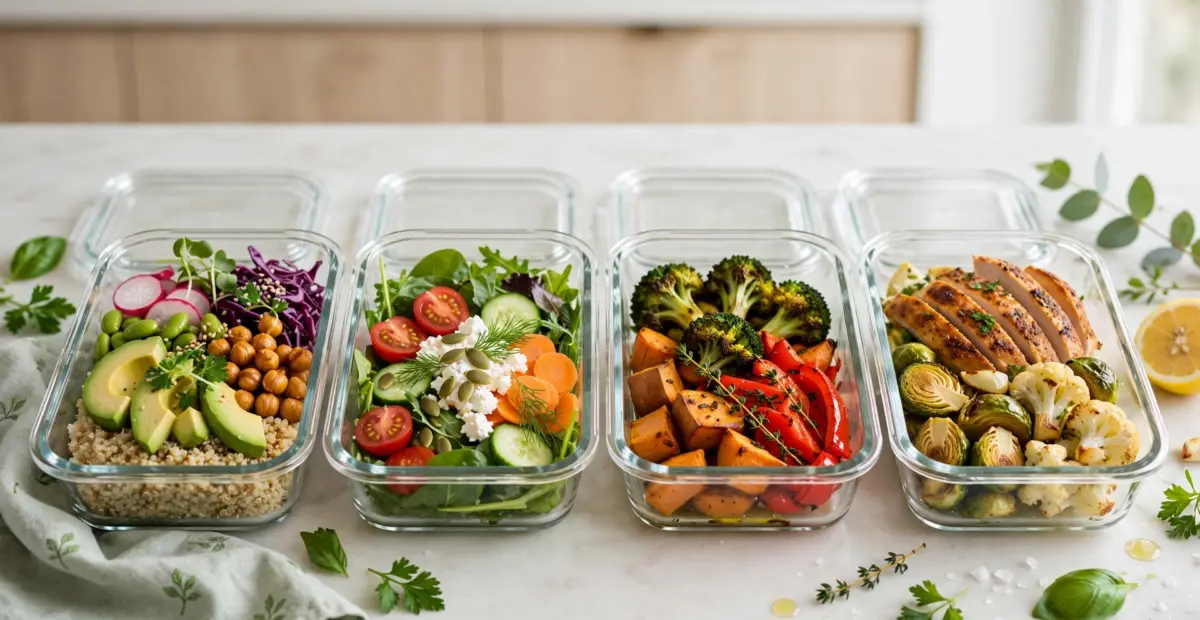
Meal prep for work lunches is not about eating the same sad container five days in a row. It is about cooking a few versatile building blocks once, then mixing them into lunches that actually look different from each other. Done well, it saves money, cuts the 11 a.m. decision fatigue, and makes a balanced lunch the easy option instead of the heroic one.
This guide gives you ten ideas that travel well, a simple Sunday system, and the food-safety rules that keep everything fresh until Friday. No special equipment required — just a handful of containers with tight lids, a fridge, and one free hour.
Start With a Formula, Not a Recipe
Every good work lunch follows roughly the same shape: a protein, a whole grain or starchy vegetable, at least one vegetable, and a sauce or topping that makes it worth eating. When you think in building blocks instead of finished recipes, one cooking session turns into five different lunches.
The World Health Organization recommends at least 400 grams — about five portions — of fruits and vegetables a day, and keeping free sugars below 10% of daily energy (ideally below 5%, which works out to about 50 grams or 12 teaspoons on a 2,000-calorie day) and salt below 5 grams a day. A lunch built around vegetables, beans or lentils, whole grains, and a simple dressing already does most of that work for you, without any counting.
Pick one protein, one grain, and two or three vegetables for the week. Roast a tray of chicken thighs or tofu, cook a pot of brown rice or quinoa, and chop carrots, cucumbers, and peppers. Those three moves cover Monday through Wednesday. Then refresh on Wednesday night with something quick — eggs, canned tuna, or hummus — for the rest of the week.
Read also: How to Make Lunch More Nutritious
10 Meal Prep Ideas That Survive the Commute
Not every dish travels equally well. The best work lunches taste good cold or after a quick reheat, do not go soggy in three hours, and do not leak. These ten pass that test.
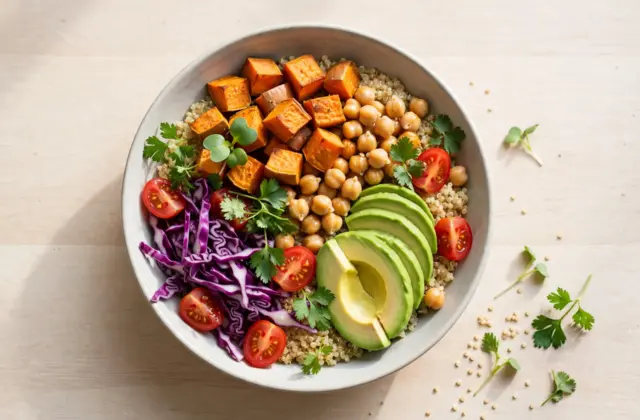
1. Grain bowl, three ways. Start with brown rice or quinoa, add roasted vegetables, a protein, and a dressing kept in a separate small jar. Monday: chicken, roasted sweet potato, and tahini. Tuesday: chickpeas, roasted broccoli, and lemon-olive oil. Wednesday: tofu, carrots, and peanut sauce. Same base, three different lunches.
2. The upgraded sandwich wrap. Wraps beat sandwiches for commuting because they seal better. Fill a whole-grain wrap with hummus, sliced chicken or beans, shredded carrots, spinach, and cucumber. Wrap it tightly in foil or baking paper so it holds its shape in your bag.
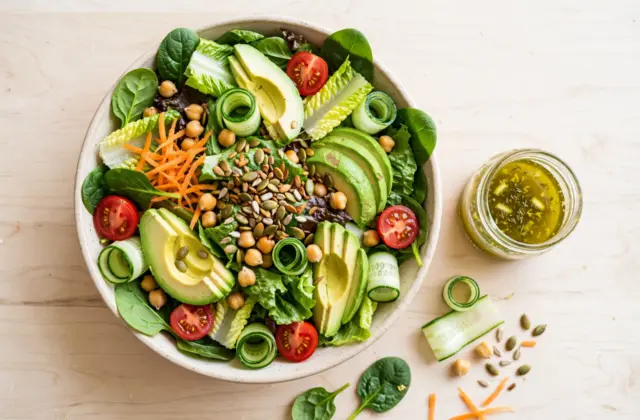
3. Mason jar salads. Layer dressing at the bottom, then hard vegetables like carrots and chickpeas, then grains, then leafy greens on top. The greens stay dry until you shake the jar at lunchtime. This is the one salad that genuinely survives a morning in a bag.
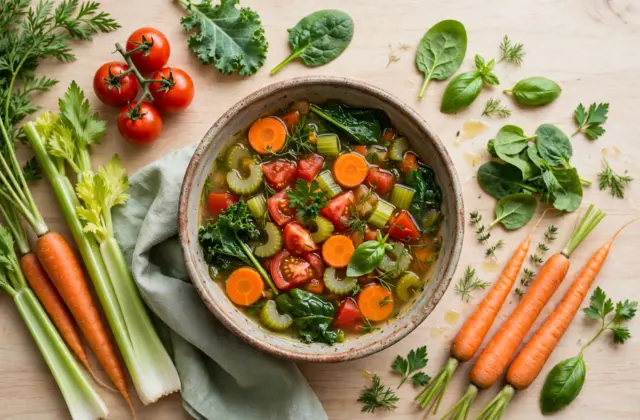
4. Soup in a flask. Lentil soup, minestrone, or pumpkin soup holds heat for hours in a vacuum flask and needs no microwave. Pair it with a slice of whole-grain bread and a piece of fruit, and you have a complete lunch in one container.
5. Bento-style snack lunch. Some days you do not want a hot meal at all. Pack boiled eggs, cheese cubes or cottage cheese, whole-grain crackers, cherry tomatoes, cucumber sticks, and a handful of nuts. It feels like a picnic, it takes five minutes to assemble, and it covers protein, vegetables, and whole grains.
6. Leftover remix. Cook extra at dinner on purpose. Roast chicken becomes chicken salad on lettuce the next day; taco filling becomes a burrito bowl with rice and beans; grilled vegetables become a grain-bowl topping. Cooking once and eating twice is the laziest form of meal prep, and it works.
7. Pasta salad that improves overnight. Whole-grain pasta tossed with roasted vegetables, white beans, olives, and a lemon dressing actually tastes better the next day, once the flavors have had time to settle. Keep it cold and it holds well for several days.
8. Stuffed sweet potatoes. Bake sweet potatoes on Sunday, then fill them through the week with black beans and salsa, tuna and sweetcorn, or chickpeas and tahini. They reheat beautifully and feel like a real meal rather than a side dish.
9. Overnight oats — for lunch, not just breakfast. If your workday runs long, a savory or sweet oat bowl can be a second meal. Oats soaked with milk or yogurt, fruit, and nuts travel well in a jar and need no heating. Keep a spare jar in the office fridge for the day you forget everything else.
10. The freezer stash. Keep two or three portions of soup, stew, or chili in the freezer at all times. On the morning you have nothing prepped, a frozen portion plus a piece of bread is a better lunch than whatever the corner shop offers, and it costs almost nothing.
The Sunday System: One Hour, Five Lunches
You do not need a whole afternoon. Set a timer for an hour and follow this order, which uses the oven and the stove at the same time.
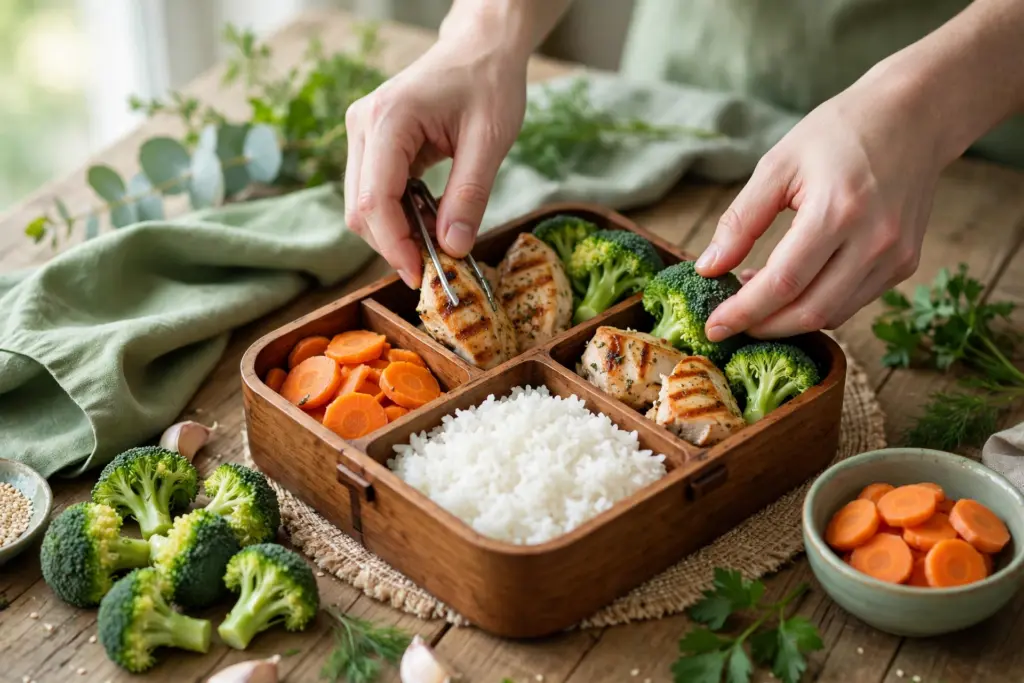
First, start the grain. While rice or quinoa cooks, put a tray of vegetables and a tray of protein in the oven. While those roast, wash and chop raw vegetables for salads and snack boxes. When everything is done, let it cool, then portion it into containers before you put anything away. Food that is already portioned gets eaten; food sitting in one giant pot gets forgotten.
Label each container with masking tape and the day you plan to eat it. It sounds fussy, but it stops the guessing game on Thursday when you cannot remember whether the chicken is from Sunday or Tuesday. And that matters, because refrigerated leftovers should be eaten within three to four days — anything you will not eat by then belongs in the freezer.
Read also: How to Prep Produce for the Week
Keep It Safe: The Rules That Actually Matter
Meal prep only works if the food is still safe on the day you eat it. The United States Department of Agriculture’s guidance is refreshingly simple, and it is worth memorizing.
Refrigerate leftovers within two hours of cooking — within one hour if the temperature is above 90°F, such as on a hot day or in a warm car. Keep your fridge at 40°F (4°C) or below. Eat refrigerated leftovers within three to four days, and freeze anything you will not finish in that window; frozen leftovers keep their best quality for about three to four months. When you reheat, bring leftovers to 165°F (74°C) throughout, measured with a food thermometer, and bring soups, sauces, and gravies to a rolling boil.
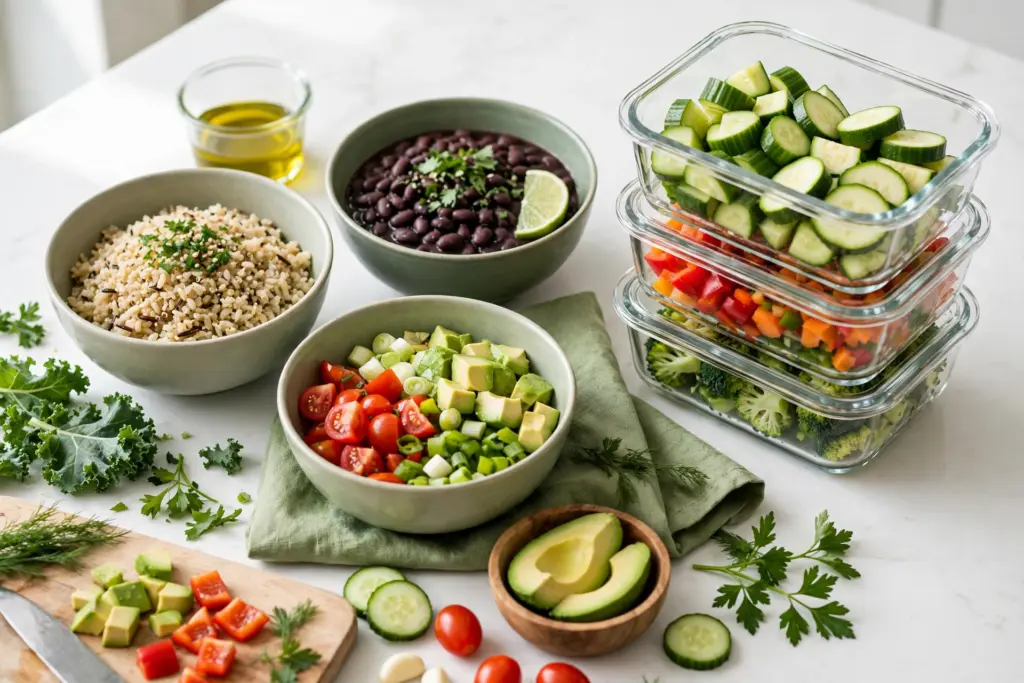
A few practical habits make those rules easy. Pack lunch in shallow containers so food cools quickly. Do not leave your lunch bag in a hot car — take it inside and refrigerate it if you can, or use an insulated bag with an ice pack. Never taste-test a container you are unsure about and declare it fine; bacteria that cause illness are usually invisible and odorless. When in doubt, throw it out.
One more safety note for office life: if your workplace fridge is shared, put your name and the date on your container. It will not stop every thief, but it stops most mix-ups, and the date tells you at a glance whether Thursday’s lunch is still Thursday’s lunch.
Make It Taste Good on Day Four
The biggest reason meal prep fails is boredom, not hunger. A few tricks keep day-four lunch from tasting like a punishment.
Keep sauces separate until eating time. A grain bowl with dressing poured on at noon tastes fresh; the same bowl dressed at 8 a.m. tastes tired. Pack a small jar of dressing, salsa, or yogurt sauce alongside the main container.
Add something crunchy at the last minute. Toasted seeds, a small bag of crackers, or raw carrot sticks rescue a soft, reheated lunch. Texture matters more than most people realize.
Rotate, do not repeat. Even with the same base ingredients, change one thing each day — the sauce, the protein, or the vegetable — and your brain registers a new meal. Monday’s tahini bowl and Wednesday’s peanut bowl share a base but feel like different lunches.
Read also: How to Build a Balanced Plate
A Sample Week to Copy
If you want a starting point, here is one week built from a single Sunday session plus a ten-minute Wednesday refresh.
Monday: quinoa bowl with roasted chicken, sweet potato, and tahini dressing. Tuesday: mason jar salad with chickpeas, carrots, and lemon dressing. Wednesday: lentil soup in a flask with whole-grain bread. Thursday: wrap with hummus, beans, spinach, and cucumber, plus an apple. Friday: bento box with eggs, cheese, crackers, tomatoes, and nuts.
Notice what is missing: no day requires cooking from scratch, no lunch needs more than a microwave or a flask, and every day includes vegetables, a protein, and a whole grain. That is the whole system. Once it becomes a habit, you will spend less time thinking about lunch than you used to spend deciding what to buy.
Frequently Asked Questions
How long do meal-prepped lunches last in the fridge?
Three to four days, according to USDA guidance. Plan Sunday prep for Monday through Wednesday or Thursday, and cook a quick fresh lunch or use a freezer portion for Friday.
Do I need special containers?
No. Any container with a tight-fitting lid works. Glass containers reheat more evenly and do not stain, but plastic ones are lighter to carry. The important features are a good seal and a size that matches one portion.
What if I do not have a microwave at work?
Lean on foods that taste good cold or at room temperature: grain bowls, wraps, jar salads, bento boxes, and soups in a vacuum flask. A flask keeps soup hot for hours without any reheating.
How do I stop getting bored?
Change one element a day — the sauce, the protein, or the topping — rather than cooking five different meals. Variety in flavor and texture matters more than variety in base ingredients.
Sources
- World Health Organization — Nutrition for a healthy life: WHO recommendations (at least 400 g of fruits and vegetables a day; free sugars below 10% of energy, ideally below 5%; salt below 5 g a day; total fat below 30%, saturated fat below 10%)
- USDA Food Safety and Inspection Service — Leftovers and Food Safety (refrigerate within 2 hours, 1 hour above 90°F; eat refrigerated leftovers within 3–4 days; freeze for 3–4 months; reheat to 165°F)
- FoodSafety.gov — 4 Steps to Food Safety (refrigerator at 40°F or below, freezer at 0°F or below)
This article is for general information only and is not medical advice. If you have a health condition, food allergy, or specific dietary needs, talk to a qualified health professional before changing your diet.