How to Add Fiber to Your Diet
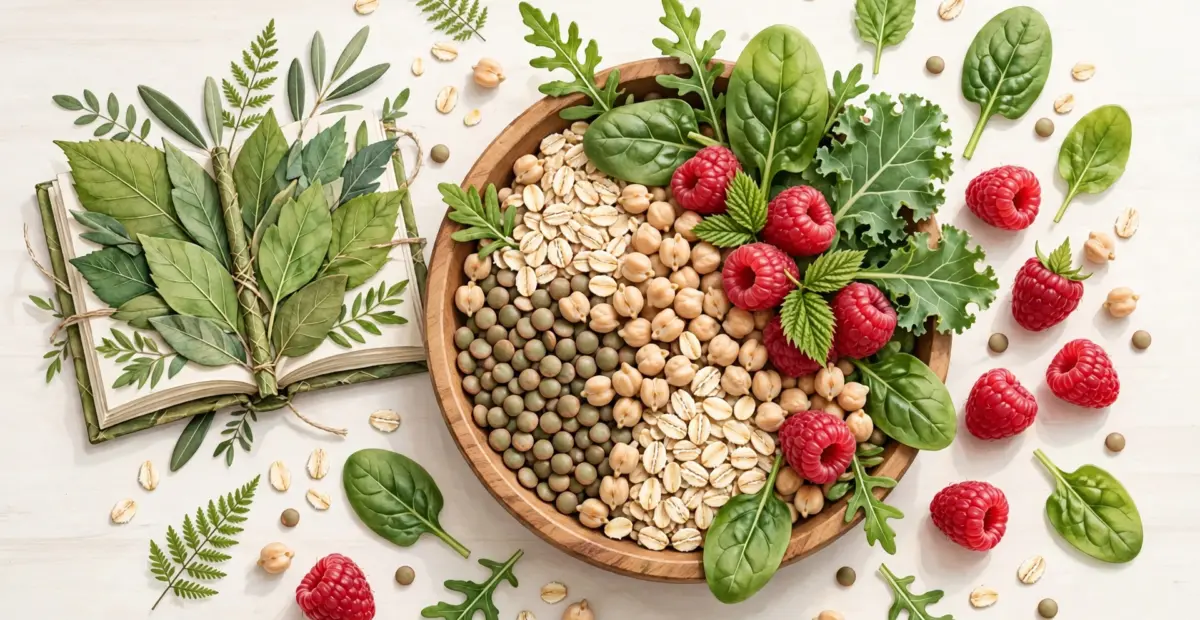
If your meals feel a little light — a white-bread sandwich here, a bowl of plain pasta there — fiber is probably the missing piece. Not because you need a special diet, but because most of us quietly eat less fiber than our bodies would like. The good news is that closing that gap rarely takes a big overhaul. It takes a handful of small swaps, repeated across the week, until they feel like nothing at all.
Fiber is the part of plant foods your body cannot fully break down. It passes through your digestive system largely intact, and that is exactly what makes it useful: it adds bulk, slows digestion, and feeds the microbes in your gut. You will find it only in plant foods — fruits, vegetables, legumes, whole grains, nuts, and seeds. Meat, eggs, and dairy contain none, no matter how wholesome they are in other ways.
How much fiber do you actually need?
A useful starting point comes from the Academy of Nutrition and Dietetics: about 14 grams of fiber for every 1,000 calories you eat, which works out to roughly 25 grams a day for women and 38 grams a day for men under 50. Older adults need a little less — about 21 grams for women and 30 grams for men over 50. The World Health Organization recommends at least 25 grams of naturally occurring dietary fiber a day for adults, alongside at least 400 grams of fruits and vegetables.
Do not let those numbers intimidate you. Most people eat around 15 grams a day, so the gap is often just 10 grams — roughly a cup of lentils, or a bowl of oatmeal with berries, or two extra servings of vegetables spread across the day. You do not need to hit the target perfectly on day one. In fact, you should not try.
Read also: How to Choose Whole Grains
Soluble vs. insoluble: why you want both
Fiber comes in two broad types, and most plant foods contain a mix of both. Soluble fiber dissolves in water and forms a gel-like substance in your gut. Oats, beans, apples, citrus fruit, carrots, and barley are rich in it, and it is the type most linked to helping lower LDL cholesterol and steady blood sugar. Insoluble fiber does not dissolve; it adds bulk to stool and helps food move through your system. Whole-wheat flour, wheat bran, nuts, and vegetables such as cauliflower, green beans, and potatoes are good sources.
You do not need to track the two types separately. If you eat a variety of fiber-rich foods — some fruit, some vegetables, some legumes, some whole grains — you will get both without thinking about it. Variety is the whole strategy. That is also why a fiber supplement, while sometimes useful, is not a straight replacement for food: whole foods deliver a mix of fibers plus the vitamins, minerals, and plant compounds that come with them.
Start with breakfast — the easiest win
Breakfast is where a lot of people lose the fiber race before the day starts. A pastry or a bowl of refined cereal might give you 1 or 2 grams. Swap it, and the numbers change fast.
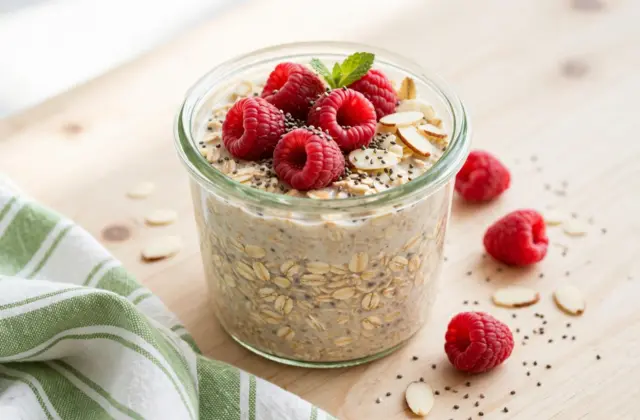
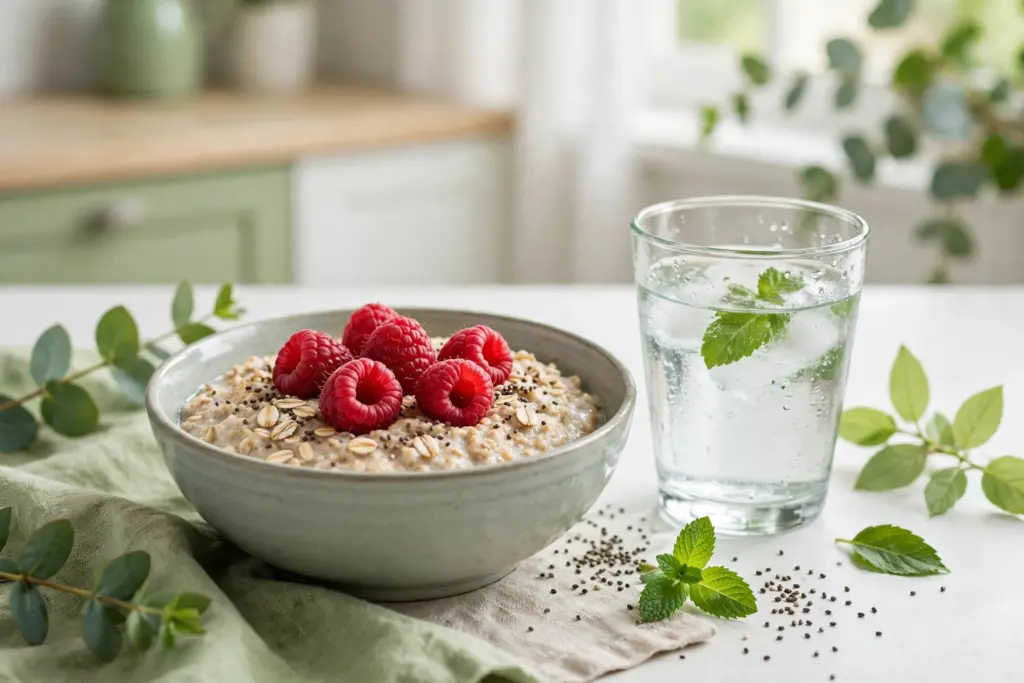
Oatmeal is the classic move for a reason: a cup of cooked oatmeal gives you about 4 to 5 grams, and you can build on it. Stir in a tablespoon of chia seeds (about 5 grams per tablespoon, and roughly 10 grams per ounce) and a handful of raspberries (about 8 grams per cup), and you are suddenly close to half a day’s target before you leave the house. Whole-grain toast with peanut butter and sliced banana works the same way — each piece adds a little, and little pieces add up.
If you prefer something cold, try yogurt topped with berries and a spoonful of ground flaxseed, or a smoothie made from whole fruit rather than juice. Juice leaves the fiber behind; blending whole fruit keeps it in. That one distinction matters more than most smoothie recipes admit.
Add beans and lentils to meals you already make
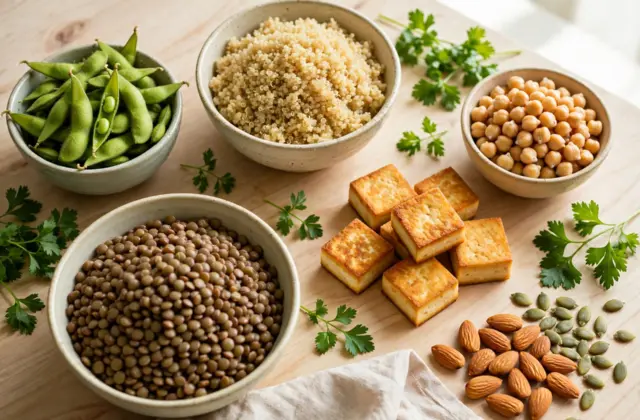
Legumes are the most concentrated fiber source in an ordinary grocery store, and they are also the cheapest. A cup of cooked lentils gives you about 15.5 grams of fiber, black beans about 15 grams, and split peas about 16 grams. One serving can cover more than half of a day’s target on its own.
You do not need a new repertoire to use them. Toss a can of rinsed chickpeas into a salad. Stir black beans into taco filling or a grain bowl. Add lentils to soup, where they thicken it and make it more filling at the same time. Swap half the meat in a pasta sauce or chili for lentils — the dish still tastes like itself, only heartier. Keep a few cans in the pantry and a bag of dried lentils beside them, and fiber stops being a project and starts being a habit.
Read also: How to Add More Vegetables to Your Meals
Let vegetables and fruit do the quiet work
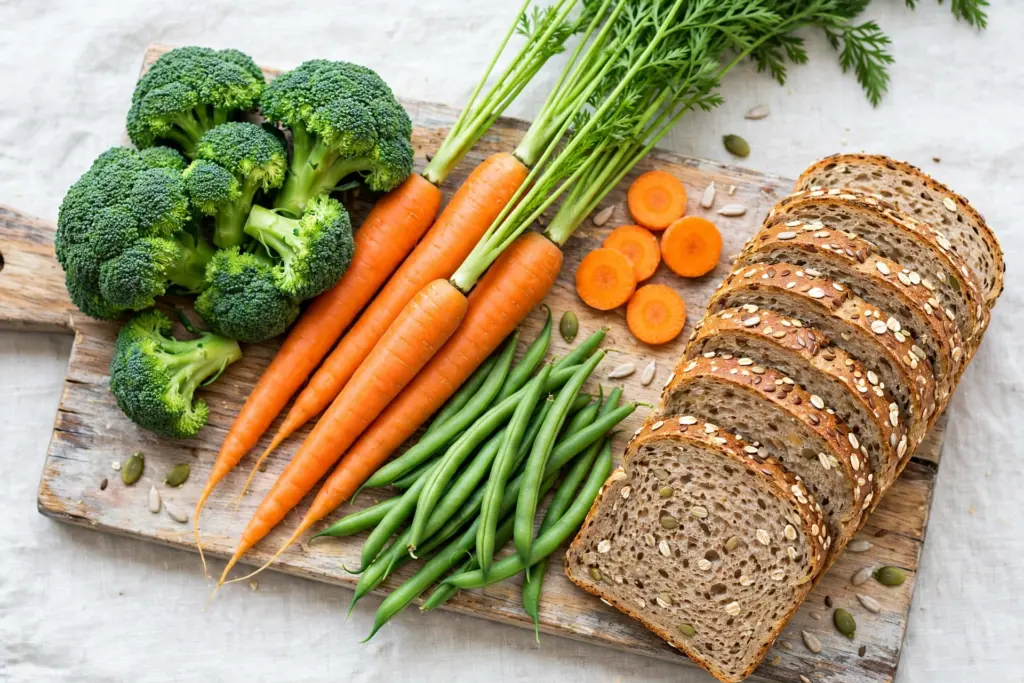
Vegetables and fruit are not the highest-fiber foods per bite, but you eat them in larger amounts, so they carry a big share of the total. A medium pear with its skin gives you about 5.5 grams; a medium apple with skin, about 4.5 grams; a banana, about 3 grams. A cup of cooked broccoli gives you about 5 grams, green peas about 9 grams, and Brussels sprouts about 4 grams.
The practical trick is keeping the skin on where you can — that is where a good share of the fiber lives — and adding produce to dishes rather than treating it as a side you have to remember. Grate carrots into a pasta sauce. Add spinach to scrambled eggs or a soup. Put cucumber and tomato on a sandwich instead of eating it plain. Snack on an apple, a pear, or a handful of berries instead of something from a packet, and you have added 3 to 8 grams without cooking anything.
Frozen vegetables count just as well, and they are often the difference between a fiber-rich dinner and a fiber-free one on a busy night. A bag of frozen broccoli or mixed vegetables, steamed in five minutes, is not a compromise — it is the plan working.
Choose the whole-grain version, most of the time
Grains are another place where a small choice repeats itself all week. A slice of whole-wheat bread gives you about 2 grams of fiber; white bread gives you well under 1 gram. A cup of cooked quinoa gives you about 5 grams, barley about 6 grams, and whole-wheat spaghetti about 6 grams, compared with about 3.5 grams for brown rice and much less for refined pasta.
You do not have to ban refined grains. Just make the whole-grain version your default: whole-wheat bread for sandwiches, brown rice or quinoa for grain bowls, oats for breakfast, air-popped popcorn (about 3.5 grams per 3 cups) for an evening snack. Check the label when you shop — look for “whole wheat” or “whole grain” as the first ingredient, and check the dietary fiber line under total carbohydrate. A product with 3 grams or more per serving is a solid choice; 5 grams or more is excellent.
Increase gradually — and drink water with it
Here is the part people skip, and then wonder why fiber feels uncomfortable. If you jump from 12 grams a day to 35 overnight, your gut microbes will notice, and you will notice them noticing: gas, bloating, and cramping are common when fiber rises too fast. The Mayo Clinic suggests adding roughly 3 grams a week — about half a cup of peas, a cup of carrots, or a medium sweet potato — and holding that level for a week or so before adding more.
Water matters just as much. Fiber absorbs water as it moves through your system, and without enough fluid it can make stools harder rather than softer. A glass of water with a fiber-rich meal, and steady drinking through the day, is part of the method, not an afterthought. If you take medication or live with a digestive condition such as irritable bowel syndrome, talk with your clinician before making large changes — some types of fiber suit some guts better than others.
A day of fiber, without trying hard
Put it together and a high-fiber day looks surprisingly ordinary. Breakfast: oatmeal with raspberries and chia seeds. Lunch: a whole-grain wrap with chickpeas, vegetables, and hummus. Snack: an apple and a small handful of almonds (about 3.5 grams per ounce). Dinner: lentil soup or a grain bowl with quinoa, roasted vegetables, and black beans. That is comfortably 30 grams or more, from foods you already know how to cook.
Read also: How to Build a Balanced Plate
The real goal is not a perfect number on any single day. It is a pattern: some fruit or vegetable at most meals, a legume or whole grain most days, and a slow, steady climb toward the target. Start with one swap this week — oats instead of refined cereal, beans in one dinner, fruit instead of a packaged snack — and let the next one follow when the first feels normal. That is how fiber stops being a nutrient you chase and becomes simply how you eat.
Frequently asked questions
Is it better to get fiber from food or supplements?
Food first, for most people. Whole foods give you a mix of soluble and insoluble fiber plus other nutrients, while supplements usually supply just one type. Supplements can help in specific situations, but they are worth discussing with a clinician rather than using as a default.
Can you eat too much fiber?
Yes, mainly when intake rises suddenly or without enough water — gas, bloating, and cramping are the usual signs. Increase gradually, by a few grams a week, and drink steadily through the day.
Does cooking destroy fiber?
No. Cooking can soften vegetables and change their texture, but it does not remove their fiber. Frozen and canned produce (rinsed, if salted) also keep their fiber.
Do I need to count soluble and insoluble fiber separately?
Not usually. Eating a variety of plant foods — fruit, vegetables, legumes, whole grains, nuts, and seeds — gives you both types naturally.
Sources
- Academy of Nutrition and Dietetics — Dietary Fiber
- UNICEF / WHO — Presenting WHO’s Latest Healthy Diet Guidelines
- Mayo Clinic Q&A — Why Is Fiber Good for Your Overall Health?
Disclaimer: This article is for general information only and is not medical advice. If you have a digestive condition or take medication affected by diet, talk with a qualified clinician before making significant dietary changes.