How to Cook More Meals at Home
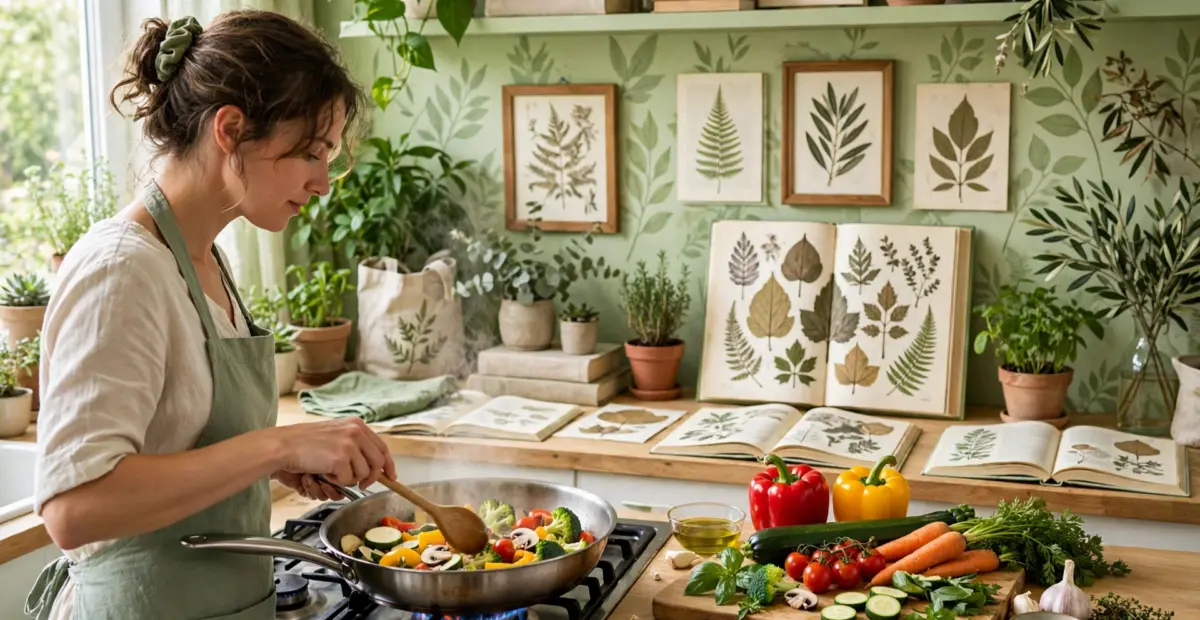
If your kitchen mostly holds takeout containers and a lonely jar of pasta sauce, you are not failing at healthy eating. You are busy, tired, and surrounded by food that arrives faster than you can chop an onion. Cooking more meals at home does not require turning into someone who loves spending an hour at the stove every night. It requires a smaller goal, a few reliable shortcuts, and a system that survives a bad Tuesday.
The payoff is real, and it is not about perfection. In a study of more than 9,000 American adults, people who cooked dinner six to seven nights a week ate, on an average day, about 2,164 calories, 81 grams of fat, and 119 grams of sugar, compared with 2,301 calories, 84 grams of fat, and 135 grams of sugar for people who cooked dinner once a week or less. That gap did not depend on whether someone was trying to lose weight. Home cooking was simply linked to a lighter, less sugary day.
Why home cooking tends to help
When you cook, you control three things that quietly shape a meal: how much salt goes in, how much fat the pan holds, and how big the portion is. Food prepared outside the home tends to be denser in total fat, saturated fat, sodium, and cholesterol, and lower in fiber, calcium, and iron than food prepared at home, according to the U.S. Department of Agriculture’s Economic Research Service. In one earlier analysis from the same agency, each additional meal eaten away from home was linked to about 134 extra calories a day for adults.
Sodium tells a similar story. Foods prepared at home averaged 1,552 milligrams of sodium per 1,000 calories in the USDA data, compared with 1,879 milligrams per 1,000 calories for foods from restaurants, fast-food places, schools, and other away-from-home sources. Both numbers sit above the recommended ceiling, so home cooking is not a free pass. It is a lever. You still season with a light hand, but you get to decide where that hand stops.
None of this means restaurant food is “bad” or that a home-cooked meal is automatically balanced. A pan of sausage, white pasta, and butter can out-salt a decent takeout salad. What cooking gives you is information and choice: you see the oil, you taste before adding more salt, and you can put half the rice back in the pot for tomorrow.
Start smaller than you think
The most common reason home cooking plans collapse is the size of the promise. Seven homemade dinners a week, starting Monday, after a lifetime of takeout, is a plan built for one good week and a quiet surrender in week two. Pick a number you can keep on a tired week instead: two or three home-cooked dinners a week is a genuine change, and it leaves room for the nights when life wins.
Anchor those meals to specific days rather than a vague intention. “Cook Tuesday and Thursday” beats “cook more.” Put the ingredients on the list before the week starts, because the meal you cook is usually the one you already shopped for. If Thursday falls apart, swap it for a pantry meal instead of writing off the whole week. Consistency, even an imperfect version of it, is what turns cooking from a project into a habit.
Build a weeknight toolkit, not a new kitchen
You do not need a drawer of single-use gadgets. A short list of dependable tools and staples does most of the work:
- A big sheet pan and a large pot. Roasting vegetables and simmering a pot of soup or beans feed several meals with little active time.
- A sharp knife and a cutting board you actually like. Dull knives make prep slow and miserable; a quick sharpening changes the whole chore.
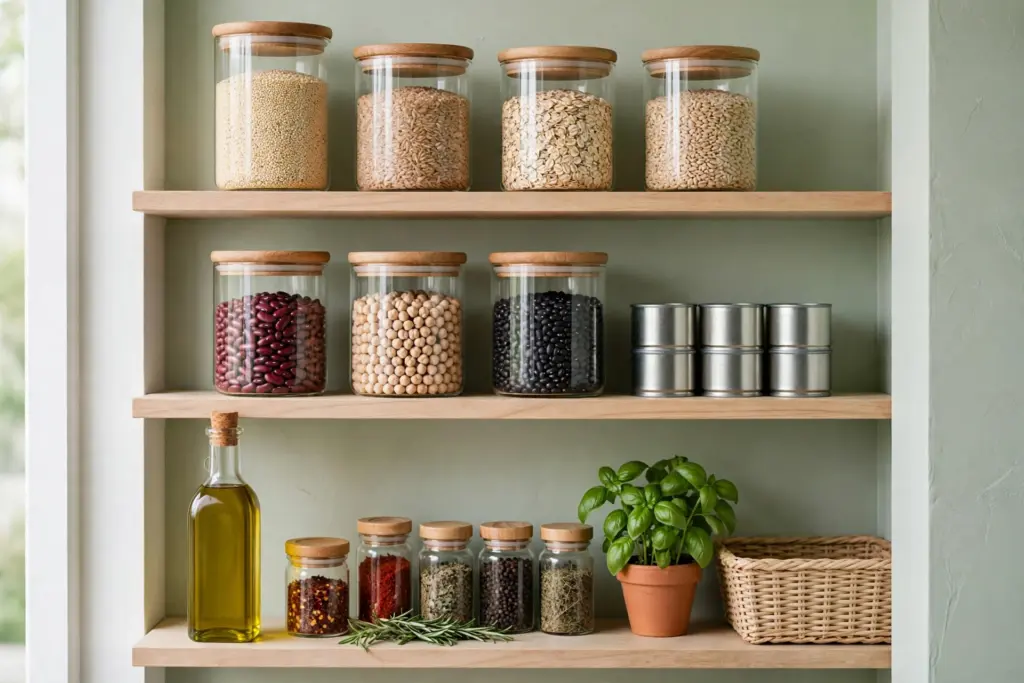
- Pantry anchors: olive oil, canned tomatoes, canned beans, dried or quick-cook grains, broth, garlic, onions, and a few dried herbs and spices.
- Freezer allies: frozen vegetables, frozen berries, frozen fish fillets, and bread. Frozen produce is picked and frozen at peak ripeness, so it is a practical stand-in when fresh runs out midweek.
- Five template meals you can make half-asleep. Think stir-fry with rice, bean tacos, pasta with vegetables and beans, sheet-pan chicken or tofu with vegetables, and soup with bread. Templates beat recipes on busy nights because you can swap the protein or vegetable without starting over.
Keep the bar for a “real meal” low. Eggs on whole-grain toast with a piece of fruit counts. So does canned bean soup with a handful of spinach stirred in at the end. A home-cooked meal does not need three courses, a garnish, or a photo.
Cook once, eat twice (or three times)
Batch cooking is the single best trick for people who hate cooking every night. When you already have the pot out, doubling the recipe costs a few extra minutes and buys you a second dinner, or two lunches, for free.
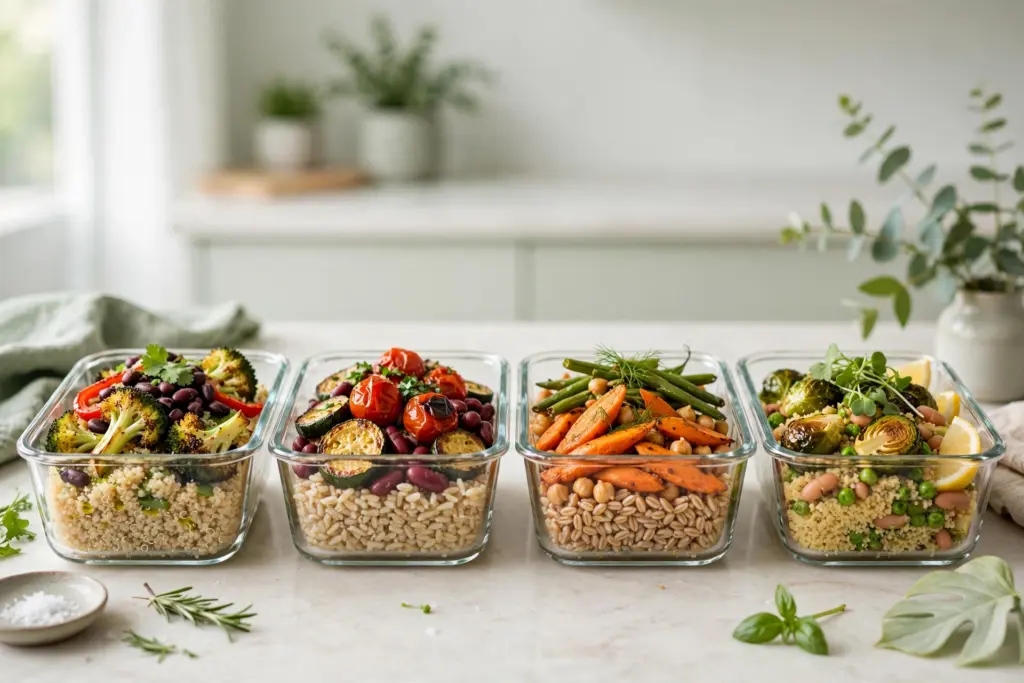
Grains, beans, roasted vegetables, and cooked chicken or tofu all reheat well. Cook a big pot of rice or quinoa on Sunday, roast two trays of vegetables instead of one, and brown twice the ground meat or tofu you need for tonight’s tacos. Pack the extras straight into clear containers so tomorrow’s lunch is visible, not buried behind last week’s leftovers.
Food safety keeps this trick honest. Refrigerate perishable food within two hours of cooking, keep the fridge at 40°F (about 4°C) or below, and use most refrigerated leftovers within three to four days. Reheat leftovers until they reach 165°F (about 74°C) throughout, and freeze anything you will not eat in that window. Label containers with the date — your future self, staring into the fridge on Thursday, will be grateful.
Make weeknights easier on purpose
Most weeknight cooking fails in the fifteen minutes before you start, not during the cooking itself. You get home hungry, nothing is defrosted, and the recipe asks for an ingredient you do not own. A little planning removes those friction points:
- Decide before you shop. Pick two or three dinners, write the list from those meals, and shop once. Wandering the store without a plan is how the week ends in snacks.
- Prep once, cook twice. Wash and chop extra vegetables while you are already at the board. The second half goes into a container for tomorrow’s stir-fry.
- Use the freezer as a pantry. Move tomorrow’s protein from freezer to fridge tonight. Frozen vegetables go straight into the pan — no thawing, no guilt.
- Keep a “too tired to cook” shelf. Canned soup, beans, eggs, frozen vegetables, and tortillas are not a failure dinner. They are the reason a hard day still ends with a home-cooked meal instead of a delivery app.
- Clean as you go, lightly. Soak the pan while the food simmers, wipe the board while the rice cooks. A smaller pile at the end makes tomorrow’s cooking feel less like a chore.
Read also: How to Prep Produce for the Week
What a balanced home-cooked plate looks like
You do not need to measure every portion to build a decent plate. A workable shape is: about half vegetables and fruit, a quarter protein, and a quarter whole grains or starchy vegetables, with a drizzle of unsaturated fat such as olive oil. The World Health Organization recommends at least 400 grams of fruit and vegetables a day, and keeping salt below 5 grams a day — two targets that get easier when you are the one holding the salt shaker and the serving spoon.
Start with what is already in the meal and add one thing, rather than rebuilding the whole plate. Pasta night gets a tray of roasted broccoli on the side. A bean stew gets a handful of greens. A frozen pizza night gets a simple salad. Small additions compound: over a week, they are the difference between a diet that leans on vegetables and one that only waves at them.
Read also: How to Stock a Healthy Pantry
When takeout still wins, choose it well
Some weeks, cooking more is not the honest goal. A new baby, a work deadline, an illness in the family — these are not willpower failures, and a takeout dinner is not a verdict on your health. On those nights, the same home-cooking instincts still help: add a side of vegetables, pick water instead of a sugary drink, and save half for tomorrow’s lunch if the portion is large.
The aim is a pattern, not a streak. If you cooked three nights this week instead of one, that is progress worth keeping, even if Friday ended with a delivery bag. The people in the home-cooking study who cooked most often were not perfect cooks. They were frequent ones, and frequency is something you can build one ordinary Tuesday at a time.
Read also: How to Build a Balanced Dinner
A simple first week
If you want a concrete place to start, try this: pick two dinners you already like, cook a double batch of one of them, and keep one “too tired” pantry meal on standby. Shop from that short list, not from a grand plan. Next week, add a third dinner or repeat the two that worked. After a month, you will have a small rotation of meals you can cook without a recipe, and that rotation — not a new cookbook — is what makes home cooking stick.
Frequently asked questions
How many meals a week should I cook at home?
There is no magic number. Two or three home-cooked dinners a week is a strong, realistic start, and research links more frequent home cooking with lower average calorie, fat, and sugar intake. Add meals gradually, and protect the habit on busy weeks rather than chasing a perfect streak.
Is home cooking always healthier than eating out?
Not automatically. A home-cooked meal heavy in salt, saturated fat, and refined grains can be less balanced than a thoughtful restaurant choice. Cooking helps because you control ingredients, seasoning, and portions — but what you cook still matters.
What if I only have 20 minutes?
Build template meals around fast ingredients: eggs, canned beans, frozen vegetables, pre-cooked grains, and tortillas. A bean taco, a vegetable stir-fry, or soup with bread can all come together in about 20 minutes, and leftovers make the next meal faster still.
How long do leftovers safely keep?
Most cooked leftovers keep three to four days in a refrigerator at 40°F or below, and should be reheated to 165°F. Freeze anything you will not eat in that window, and when in doubt, throw it out — you cannot see, smell, or taste most bacteria that cause foodborne illness.
Sources
- Wolfson, J. A., & Bleich, S. N. — Cooking dinner frequently at home and diet quality, Public Health Nutrition (Johns Hopkins Bloomberg School of Public Health summary): Johns Hopkins Hub: Study suggests home cooking for a healthier diet
- U.S. Department of Agriculture, Economic Research Service — Food away from home and diet quality: Less Eating Out, Improved Diets, and More Family Meals
- U.S. Department of Agriculture, Economic Research Service — Sodium density of foods at home vs. away from home: Foods prepared at home are less sodium dense than those from restaurants
- World Health Organization — Healthy diet recommendations (at least 400 g of fruit and vegetables a day; salt below 5 g a day): WHO: Healthy diet
- FoodSafety.gov — Leftovers: refrigerate within two hours, keep 3–4 days, reheat to 165°F: FoodSafety.gov: Spring Holidays are for Family Feasts, Not Pesky Bacteria Guests
This article is for general nutrition information only and is not medical advice. If you have a medical condition, food allergy, or specific dietary needs, talk with a qualified health professional before changing how you eat.