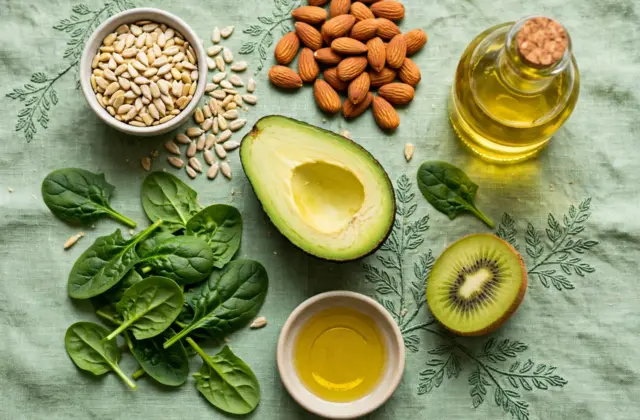
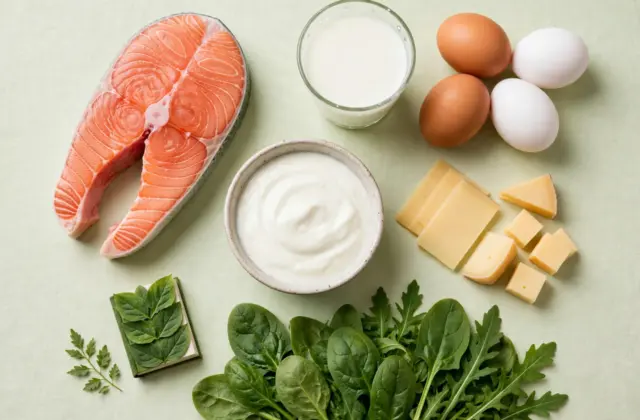
Vitamin A Foods for a Balanced Diet
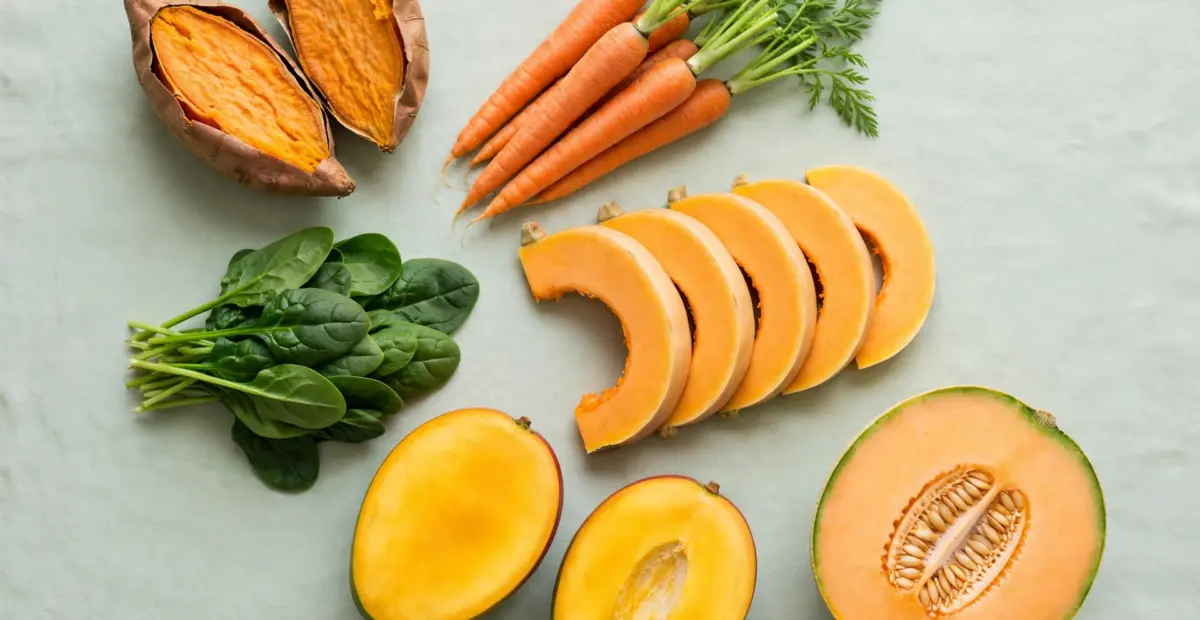
Ask most people which vitamin keeps their eyes working in dim light, and the answer comes back fast: vitamin A. The link is real — this vitamin is part of the light-sensing machinery in your retina — but it only tells half the story. Vitamin A also helps your immune system respond to infections, keeps the lining of your skin and gut intact, and supports normal growth. The good news is that covering your daily needs is one of the easier jobs in nutrition. A single baked sweet potato can supply more than a whole day’s worth, and a handful of ordinary foods will do the rest.
This guide walks through how much vitamin A you actually need, the two very different forms it comes in, the foods that deliver the most, and a few practical ways to get them onto your plate without thinking too hard about it.
What vitamin A does in your body
Vitamin A is a fat-soluble vitamin, which means your body stores it — mainly in the liver — and draws on those stores between meals. It works in several places at once:
- Vision. A form of vitamin A called retinal is a building block of rhodopsin, the pigment in your rod cells that lets you see in low light. When stores run low, adapting to a dark room gets harder, and night blindness is often the first sign of a shortfall.
- Immune function. Vitamin A helps maintain the mucosal barriers in your eyes, lungs, and gut — the surfaces where germs first try to get in — and supports the white blood cells that respond when they do.
- Skin and cell growth. It plays a role in how skin cells and other tissues grow and renew themselves, which is one reason dermatologists have used vitamin A derivatives in skin treatments for decades.
- Reproduction and development. Adequate vitamin A matters during pregnancy and childhood growth, though this is also where excess becomes a concern, as explained below.
Worldwide, vitamin A deficiency remains a serious problem. The World Health Organization calls it the world’s leading preventable cause of childhood blindness: an estimated 250,000 to 500,000 vitamin A-deficient children become blind every year, and about half of them die within 12 months of losing their sight, often from infections their weakened immune systems cannot fight. In countries with varied diets and fortified foods, deficiency is rare — but the numbers are a reminder of how much this one nutrient does.
How much vitamin A do you need?
Vitamin A is measured in micrograms of retinol activity equivalents, or mcg RAE. The unit exists because the two dietary forms of the vitamin are not equally potent, and RAE puts them on one scale. The U.S. National Academies set these recommended dietary allowances (RDAs) for adults:
- Men: 900 mcg RAE per day
- Women: 700 mcg RAE per day
- Pregnancy: 770 mcg RAE per day
- Breastfeeding: 1,300 mcg RAE per day
The number on a Nutrition Facts label — the Daily Value — is 900 mcg RAE, so a food labelled as providing 100% of the Daily Value covers the full adult target in one serving.
There is also a ceiling. The tolerable upper intake level (UL) for adults is 3,000 mcg RAE per day, and it applies only to preformed vitamin A — the retinol form found in animal foods and supplements. It does not apply to beta-carotene from plant foods, because your body converts only as much of it as it needs. Chronically exceeding the UL with retinol can cause headaches, liver damage, and bone and joint pain, so the ceiling is worth respecting — especially with high-dose supplements and liver, which is extremely concentrated.
Two forms: retinol and beta-carotene
It helps to know that “vitamin A” on a plate comes in two forms, and your body handles them differently.
Preformed vitamin A (retinol) comes from animal foods: liver, fish liver oils, eggs, and dairy. Your body uses it directly, which makes it potent — and also why the upper limit applies to it. A single 3-ounce serving of beef liver carries roughly 6,500 mcg RAE, more than twice the adult upper limit in one sitting. Liver is nutritious, but it is a sometimes food, not an everyday one.
Provitamin A carotenoids — mainly beta-carotene — come from plants: orange and yellow vegetables and fruits, plus dark leafy greens, where green chlorophyll masks the orange pigment underneath. Your body converts beta-carotene into retinol as needed, at a rate of about 12 mcg of beta-carotene from food to 1 mcg RAE. Because conversion slows when stores are full, you cannot overdose on vitamin A from carrots or sweet potatoes, no matter how many you eat. (Very large amounts of beta-carotene can tint the skin slightly orange — a harmless and reversible effect called carotenemia.)
One practical detail: beta-carotene is fat-soluble, so it is absorbed better with a little fat in the meal. Roasting carrots in olive oil, or tossing spinach with a drizzle of dressing, is not just tastier — it helps your body use more of what is there.
The best vitamin A foods
Here are the strongest everyday sources, with vitamin A content from USDA FoodData Central. The percentages are based on the 900 mcg RAE Daily Value.
| Food | Serving | Vitamin A (mcg RAE) | % Daily Value |
|---|---|---|---|
| Beef liver, pan-fried | 3 oz | ~6,582 | 731% |
| Cod liver oil | 1 tablespoon | ~4,080 | 453% |
| Sweet potato, baked | 1 cup | ~1,922 | 214% |
| Carrots, cooked | 1 cup | ~1,329 | 148% |
| Butternut squash, cooked | 1 cup | ~1,144 | 127% |
| Spinach, cooked | 1 cup | ~943 | 105% |
| Pumpkin, canned | 1 cup | ~1,906 | 212% |
| Cantaloupe | 1/2 cup | ~135 | 15% |
| Mango | 1 cup | ~180 | 20% |
| Skim milk, fortified | 1 cup | ~149 | 17% |
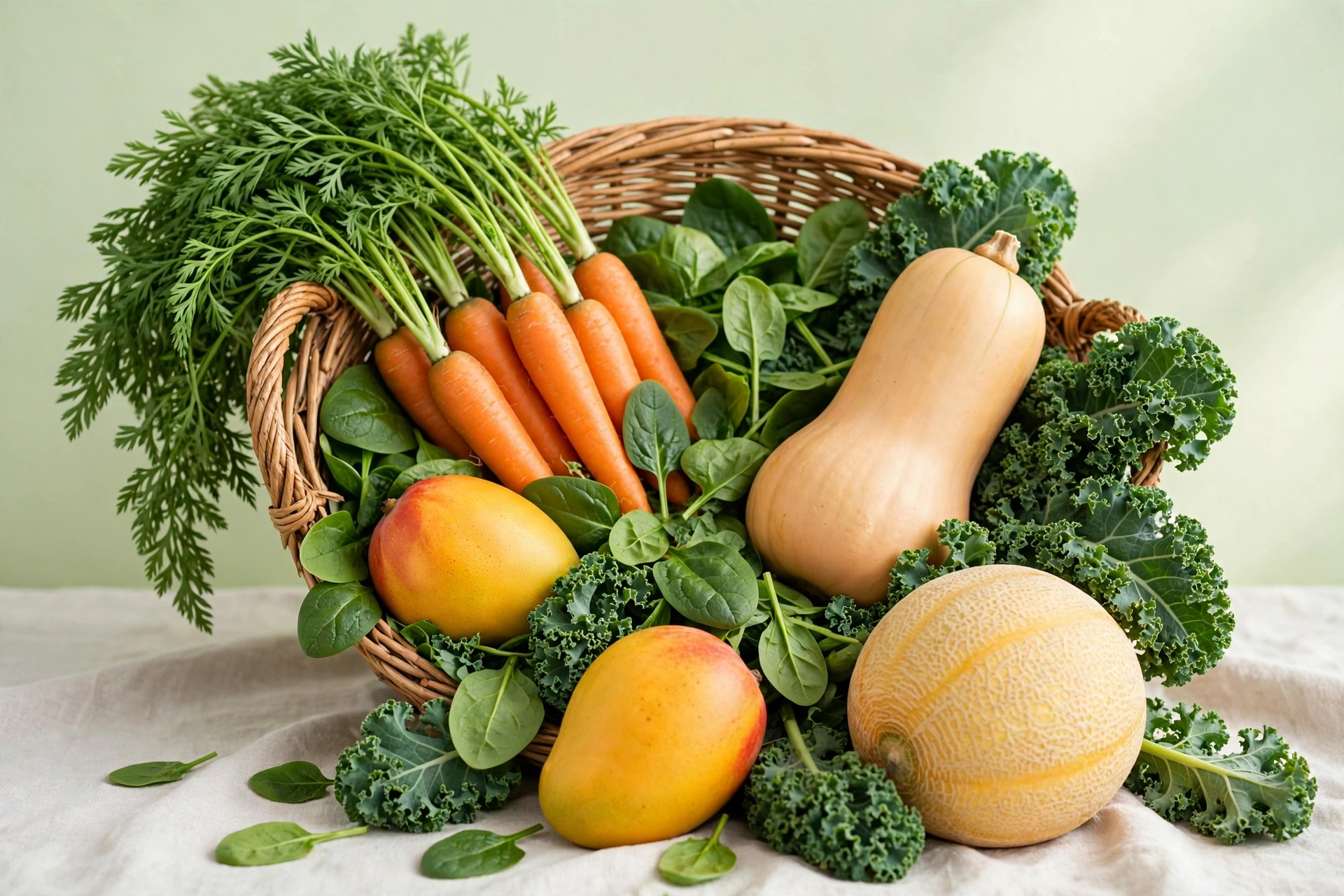
A few things stand out. First, the plant sources at the top of the list are so rich that one serving can cover the whole day — a baked sweet potato alone clears the bar. Second, the list is short on surprises: the orange vegetables and dark greens you already know are healthy are exactly the ones carrying the most vitamin A. And third, the animal sources are powerful but concentrated, which is why portion size matters more with them.
Read also: Vitamin D Food Sources: What to Know
How to fit more vitamin A foods into your day
You do not need a special diet or a supplement to meet your target. A few ordinary habits will do it:
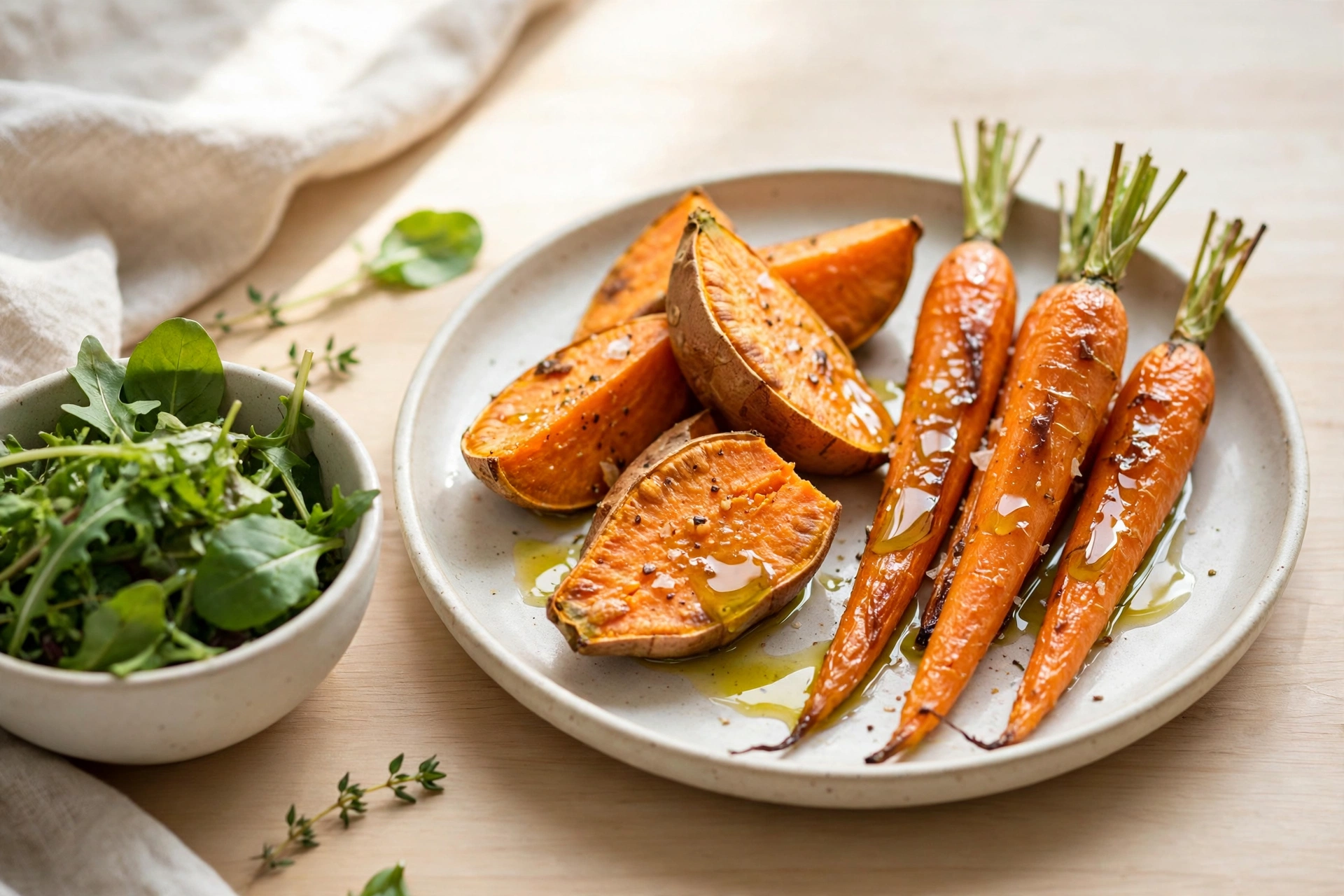
- Make one orange vegetable a daily regular. A baked sweet potato with dinner, a handful of baby carrots with lunch, or roasted butternut squash on the weekend each delivers a full day’s worth on its own. Rotate them so you do not get bored.
- Add a leafy green to something you already eat. A cup of cooked spinach stirred into pasta, soup, or a morning omelet adds roughly a day’s worth of vitamin A plus fiber, folate, and vitamin K. Frozen spinach works just as well and keeps for weeks.
- Pair beta-carotene foods with a little fat. A drizzle of olive oil on roasted carrots or a spoonful of nut butter with sweet potato wedges helps your body absorb more of the carotenoids. You do not need much — a teaspoon or two per serving is enough.
- Keep fruit in the mix. Cantaloupe and mango are lighter sources, but they add up across a day, and they are an easy way to cover part of the target at breakfast or as a snack — especially for children, who often prefer fruit to vegetables.
- Use fortified foods as a quiet backup. Fortified milk and some breakfast cereals add modest amounts of preformed vitamin A. They will not carry the day alone, but they help on days when the vegetable side of the plate is thin.
If you eat a varied diet with vegetables most days, you are very likely covered. The people most at risk of falling short are those who eat few vegetables at all, or who follow very low-fat diets — since fat helps with absorption — so the fix is usually a plate change, not a pill.
Read also: How to Add More Vegetables to Your Meals
Supplements, liver, and when more is not better
Because vitamin A is stored in the body, too much accumulates rather than washing out. That is the main reason to be careful with the preformed form. A few points worth knowing:
- Multivitamins are usually fine. Most contain vitamin A at or below the RDA, often partly as beta-carotene. Problems tend to come from high-dose single-nutrient supplements, cod liver oil taken by the spoonful daily, and frequent large servings of liver.
- Pregnancy needs extra care. Very high intakes of preformed vitamin A during pregnancy have been linked to birth defects, which is why prenatal guidance caps retinol intake and why the RDA rises only modestly, to 770 mcg RAE. Beta-carotene from food carries no such concern. Anyone who is pregnant or planning to be should talk with their clinician before taking a vitamin A supplement.
- Beta-carotene supplements are not the same as beta-carotene foods. Large trials in people who smoked found that high-dose beta-carotene supplements were linked to a higher risk of lung cancer — a result that has never been seen with beta-carotene from food. The supplement form bypasses the body’s natural control over conversion, which is one more reason to get this nutrient from the plate first.
- Check combination products. Vitamin A can hide in acne treatments, some fish-oil products, and fortified meal replacements. If you take several products, the amounts add up — the label’s % Daily Value makes the math easy.
If you suspect a deficiency — persistent trouble seeing at night, very dry eyes, or frequent infections — that is a conversation for a clinician, not a supplement aisle. Blood levels of retinol are tightly controlled by the body, so a single test does not tell the whole story, and a clinician can look at diet, symptoms, and history together.
Putting it together
Vitamin A is one of the simplest nutrients to get right. Aim for a mix across the week: something orange most days, a dark leafy green a few times a week, and the occasional egg or glass of fortified milk. That pattern covers the RDA with room to spare, stays far below the upper limit, and brings fiber, potassium, and other nutrients along for free.
Think of it less as a nutrient to chase and more as a color to eat. If your plate regularly has something orange or deep green on it, vitamin A is very likely already taken care of.
Read also: How to Include More Colorful Produce in Meals
Frequently asked questions
Can you get too much vitamin A from food?
From plant foods, no — your body converts only as much beta-carotene as it needs, so carrots and sweet potatoes cannot push you over the limit. The risk comes from preformed vitamin A in liver, cod liver oil, and high-dose supplements, which is why the 3,000 mcg RAE upper limit applies to that form only.
Do carrots really improve your eyesight?
They supply the vitamin A your retina needs to work properly, so a deficiency can harm night vision — and correcting it helps. But if your vitamin A intake is already adequate, extra carrots will not sharpen vision beyond normal. The old wartime story about carrots giving pilots superhuman eyesight was mostly propaganda; the real link is that deficiency hurts vision, not that excess improves it.
Is vitamin A the same as beta-carotene?
Not quite. Beta-carotene is a plant pigment your body converts into vitamin A. Retinol is the ready-to-use form found in animal foods. Nutrition labels and RDAs use retinol activity equivalents (mcg RAE) to count both on the same scale: 1 mcg RAE equals 1 mcg of retinol or 12 mcg of beta-carotene from food.
Should I take a vitamin A supplement?
Most people eating a varied diet do not need one. Supplements make sense mainly where a clinician has identified a deficiency or a medical condition that limits absorption. If you do take one, keep the total from food and supplements below the 3,000 mcg RAE upper limit and favor products that use beta-carotene rather than high-dose retinol.
Sources
- National Institutes of Health, Office of Dietary Supplements. Vitamin A: Fact Sheet for Health Professionals
- World Health Organization. Vitamin A Deficiency
- National Academies of Sciences, Engineering, and Medicine. Dietary Reference Intakes for Vitamin A
- U.S. Department of Agriculture, Agricultural Research Service. FoodData Central
Disclaimer: This article is for general information only and is not medical advice. If you have a health condition, are pregnant, or take medication, talk with a qualified health professional before changing your diet or taking supplements.