Ultra-Processed Foods: How to Spot Them on the Label
Not all packaged food is the problem. Learn the three signals that reliably identify ultra-processed products.

Pick up almost any box in the middle aisles of a supermarket and you face the same puzzle: a cheerful front, a long ingredient list on the back, and numbers that only make sense if you know what to look for. Ultra-processed foods are everywhere — in the United States they supplied an average of 55% of calories in 2021–2023, according to CDC survey data (adults 53%, young people aged 1–18 about 62%). You do not need to ban every packaged food to eat better. You need a reliable way to tell which ones deserve a second thought, and that skill lives on the label.
What “ultra-processed” actually means
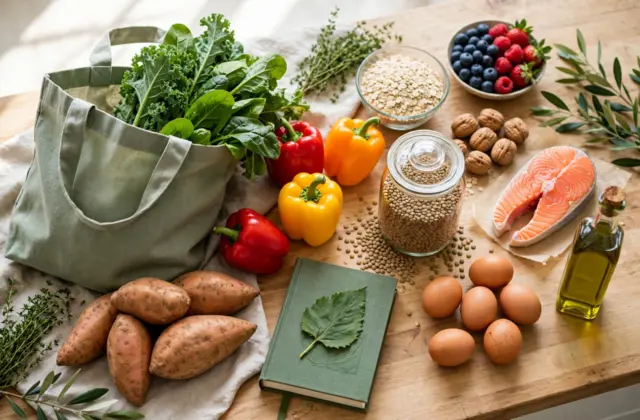
The most widely used definition comes from the NOVA classification, developed by Brazilian researcher Carlos Monteiro and colleagues. NOVA sorts foods by how much and what kind of processing they have undergone, not just by their nutrients, into four groups: unprocessed or minimally processed foods (fresh fruit, plain milk, dried beans); processed culinary ingredients (oil, butter, salt, sugar); processed foods (canned beans with salt, freshly baked bread, cheese); and ultra-processed foods.
Under NOVA, an ultra-processed food is an industrially made formulation: mostly substances extracted from foods or made in a lab, plus additives, with little or no whole food left in it. Two markers give it away: substances of no or rare culinary use — things you would not cook with at home, such as high-fructose corn syrup, hydrogenated oils, modified starches, and protein isolates — and additives with cosmetic functions, like flavours, colours, emulsifiers, and non-sugar sweeteners. When you see those on a label, you are almost certainly looking at an ultra-processed food, whatever the front claims.
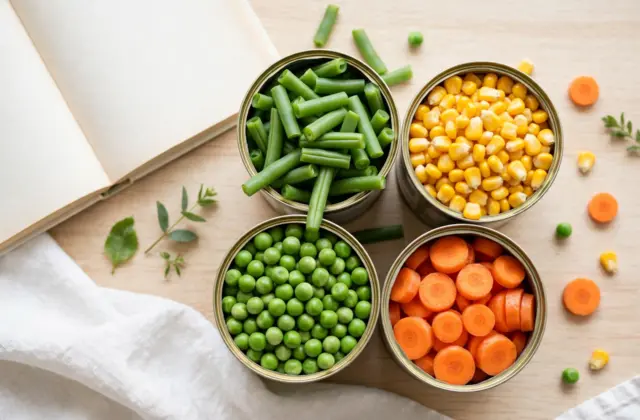
Processing alone is not the enemy. Frozen vegetables, tinned tomatoes, plain yoghurt, and wholegrain bread are all processed and can all be part of a healthy diet. The question is not “was this processed?” but “what was done to it, and what is left of the original food?”
The 60-second label check
Turn the pack around and run through these five checks. Two or three red flags are usually enough to put a product back or reach for a simpler alternative.
- Read the first three ingredients. Ingredients are listed in descending order by weight, so the first few tell you what the food mostly is. If sugar, refined flour, or an oil comes first, that is the product, no matter what the front says.
- Scan for kitchen-stranger ingredients. Look for isolates, modified starches, hydrogenated oils, and long chemical-sounding names you would never buy for your own pantry.
- Count the sugars. Check “Added Sugars” on the Nutrition Facts panel, and watch for several different sugar names scattered through the list.
- Check sodium and saturated fat per serving. As a rough guide, the FDA treats 5% of the Daily Value or less as low and 20% or more as high. A single serving at 20% or more of sodium is a heavy hitter.
- Check the serving size. All the numbers on the panel describe one serving, not the whole pack. If you will eat twice the serving, double everything.
Read also: How to Compare Nutrition Labels
Signal one: ingredients you would not find in a home kitchen
Imagine trying to recreate the product in your own kitchen. Bread needs flour, water, yeast, and salt; a cracker needs flour, oil, water, and salt. When the ingredient list runs to twenty items and includes maltodextrin, soy protein isolate, and “natural flavours” alongside three kinds of sugar, no home cook could make it — and that is the point. Those ingredients extend shelf life, sharpen flavour, and keep the texture identical in every batch.
Length alone is not proof. A jar of curry paste or a seeded loaf can have a long list of recognisable foods and spices. The tell is the type of ingredient, not just the count: could you buy each of these in a grocery store as a food in its own right? Flour, oats, and spices pass; modified corn starch, interesterified oil, and hydrolysed soy protein do not. A cluster of emulsifiers, thickeners, and stabilisers in one product is a strong signal, even in foods that look wholesome, like protein bars.
Signal two: sugar hiding under many names
Sugar rarely appears just once on an ultra-processed label. Manufacturers can split it across several names — sucrose, cane sugar, brown rice syrup, fruit juice concentrate, dextrose, maltose, honey, agave — so no single sugar looks like a main ingredient. If three or four sugar names appear, the product is sweeter than the first ingredient suggests.
The Nutrition Facts panel gives you the honest total: look for the “Includes Added Sugars” line under Total Sugars. The Daily Value for added sugars is 50 grams per day on a 2,000-calorie diet, according to the FDA, and the Dietary Guidelines for Americans recommend keeping added sugars below 10% of daily calories. A flavoured yoghurt with 15 grams of added sugars in one small serving has used up nearly a third of the day’s reference amount. Divide grams by four for teaspoons: 12 grams is about three.
Watch for the “no added sugar” trick, too: a juice drink can carry that claim while still being sweetened with concentrated fruit juice, which the FDA counts as an added sugar when it comes from concentrate. And non-sugar sweeteners — sucralose, aspartame, stevia extracts — are themselves one of NOVA’s cosmetic-additive markers.
Signal three: sodium and fat doing the quiet work
Ultra-processed foods tend to be salty, and salt is easy to miss because sugar and fat mask it. The World Health Organization recommends that adults consume less than 2,000 mg of sodium per day — under 5 grams of salt, or just under a teaspoon. Yet a single frozen meal can deliver half of that or more before you have eaten anything else that day.
Use the % Daily Value column as your shortcut: a soup at 35% of the sodium Daily Value is most of your day’s salt in one bowl. The same logic applies to saturated fat, and fibre is the counterweight worth checking — ultra-processed foods are typically low in fibre because the whole food has been stripped out.
Read also: Serving Sizes: How to Understand Them
Signal four: the front-of-pack health halo
The front of the pack is advertising, not information. Claims like “high in protein” or “made with whole grains” are legal on products that are otherwise poor choices, as long as the specific claim is true. A cereal can be “made with whole grains” when wholegrain flour is the fourth ingredient, after refined flour and two sugars. A protein bar can be “high in protein” because it contains soy protein isolate — one of the very markers of ultra-processing.
The simplest defence: read the front last. Decide from the ingredients and the Nutrition Facts panel first; if the claims disagree with the back, trust the back.
Signal five: the serving-size trick
Every number on the Nutrition Facts panel describes one serving, and manufacturers choose serving sizes that make the numbers look friendly. A bag of crisps labelled as three servings or a bottle of sweetened drink labelled as two is easy to finish in one sitting — and then you need to multiply: a snack at 180 calories and 10 grams of added sugars per serving becomes 540 calories and 30 grams for the bag. Where a pack carries a dual column, use the per-package column, and always compare products at the same serving size.
Three label walkthroughs
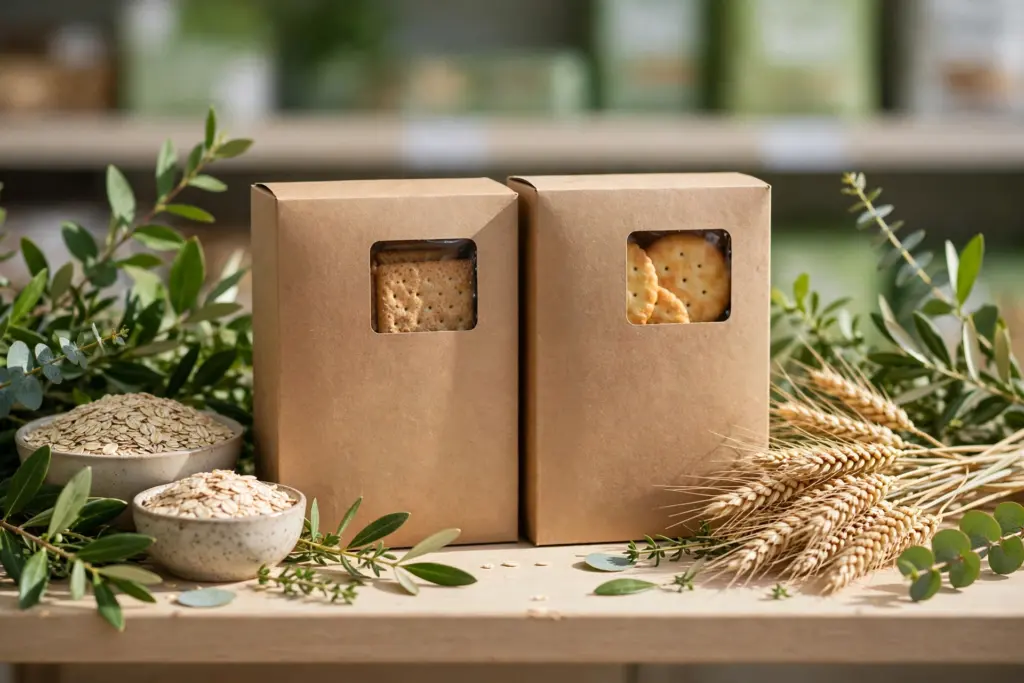
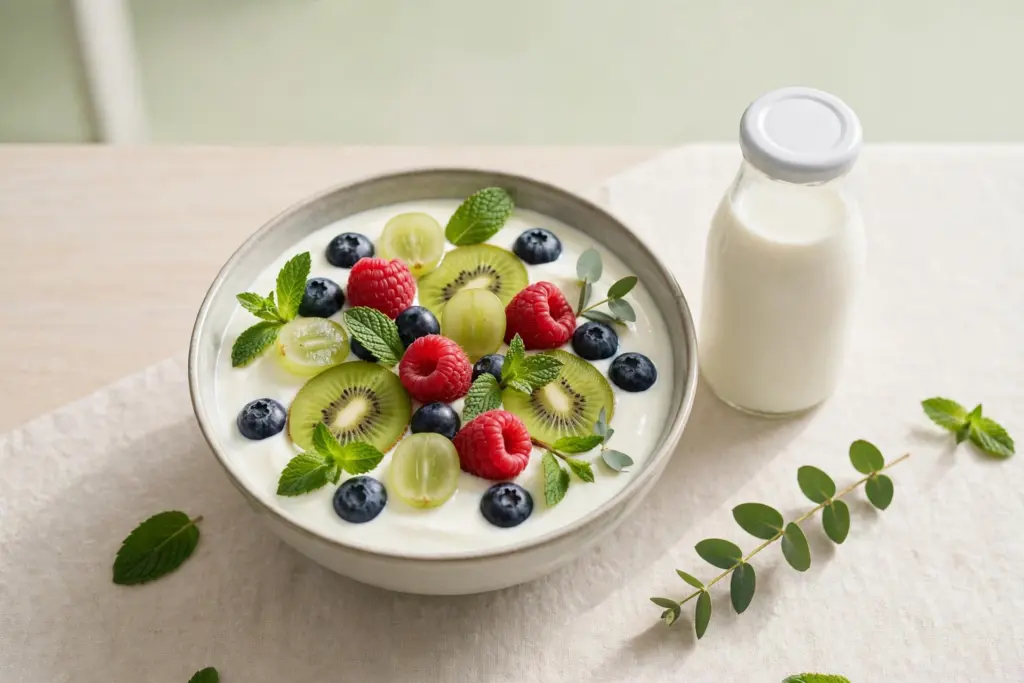
Crackers. Box A lists “whole wheat flour, sunflower oil, salt” and little else. Box B lists “enriched wheat flour, sugar, palm oil, maltodextrin, soy lecithin, flavourings, colour” — refined flour first, a modified starch, and cosmetic additives. Same shelf, same crunch, very different products. Yoghurt works the same way: plain lists milk and live cultures, while a flavoured one can carry 12 to 15 grams of added sugars per small pot — buy plain and add your own fruit. Bread, too: a wholegrain loaf listing whole wheat flour first is a solid choice, while a soft white loaf listing enriched flour and high-fructose corn syrup is a different animal.
Why this is worth the minute
None of this is about perfection. Most evidence linking ultra-processed foods with weight gain, cardiovascular disease, and type 2 diabetes comes from observational studies, which show associations, not proof that one food causes disease. But there is experimental evidence, too: in a tightly controlled 2019 trial at the US National Institutes of Health, 20 adults ate about 500 extra calories per day on an ultra-processed diet compared with an unprocessed diet, even though both diets were matched for calories, sugar, fat, sodium, fibre, and macronutrients. Something about the foods themselves, not just their nutrients, made people eat more.
A realistic shopping routine
You do not need to overhaul your whole diet at once. Start with the categories that dominate ultra-processed calories — sandwiches and burgers, sweet baked goods, savoury snacks, pizza, and sweetened drinks, which the CDC data flags as the top contributors in the US — and pick one swap per shop: a sweetened drink for water or unsweetened tea, a sweet breakfast cereal for plain oats or eggs, crisps for nuts, fruit, or plain popcorn most days. Keep the conveniences that work: frozen vegetables, tinned beans, and wholegrain wraps save time without the ultra-processing load. And if budget is tight, lean on tinned, frozen, and dried staples — beans, lentils, oats, tinned tomatoes — the cheapest way to shift your trolley without raising the bill.
Read also: How to Choose Healthier Snacks
Frequently asked questions
Is all packaged food ultra-processed?
No. Packaging is not processing. Tinned beans, frozen vegetables, plain yoghurt, and wholegrain bread all come in packaging and are not ultra-processed. Judge the ingredient list, not the wrapper.
Are additives dangerous?
Approved additives have passed safety assessments. The signal is the pattern: a long list of cosmetic additives usually means the food has been heavily reformulated.
Do I have to give up ultra-processed foods completely?
No. The evidence points to the overall pattern of your diet, not any single food. Keep the ones you love, eat them less often and in smaller portions, and make the everyday staples simpler.
Sources
- CDC, NCHS Data Brief No. 536 (2025)
- Monteiro et al., American Journal of Clinical Nutrition (NOVA definition)
- Hall et al., Cell Metabolism, 2019
- FDA, “Added Sugars on the Nutrition Facts Label”
- WHO, “Sodium reduction” fact sheet
Disclaimer: This article is for general information only and is not medical advice. If you have a health condition such as high blood pressure, diabetes, or kidney disease, talk to your doctor or a registered dietitian about targets that fit you.