Healthy Drinks to Pair With Everyday Meals
You plan the meal, you shop for it, you cook it — and then you reach for whatever’s already in the fridge to drink with it. For most of us, the drink is an afterthought. That’s a shame, because what you sip alongside your food can quietly add a day’s worth of sugar, dull the nutrients in your meal, or — when you choose well — round the whole plate out.
Pairing drinks with meals isn’t about rules or fancy matching. It’s about a few simple habits: water first, sugar kept in check, and knowing when a coffee, a glass of milk, or a sparkling water fits better than a soda. Here’s how to think about it.
Why the drink matters as much as the plate
A meal is more than its calories. Drinks contribute sugar, caffeine, calcium, and water — and they do it fast. A sugary drink is gone in minutes, and unlike food, it barely fills you up. That’s why drinks are the easiest place for sugar to sneak in: you can swallow a whole day’s worth without feeling like you ate anything at all.
The flip side is just as real. Water with a meal helps you stay hydrated without adding a single calorie. Milk adds calcium and protein to a breakfast that might otherwise be mostly carbs. Unsweetened tea brings flavor and warmth to a light lunch. The drink is part of the meal — treat it that way and the rest gets easier.
Water first: the default pairing
Plain water is the safest bet with almost any meal, and it’s the one health authorities consistently point to. The U.S. National Academies set an adequate intake for total water at about 3.7 liters a day for men and 2.7 liters a day for women, counting water from food as well as drinks. Roughly 80 percent of that comes from beverages — around 3 liters a day for men and 2.2 liters for women — and about 20 percent arrives in the food itself, especially fruit, vegetables, and soups.
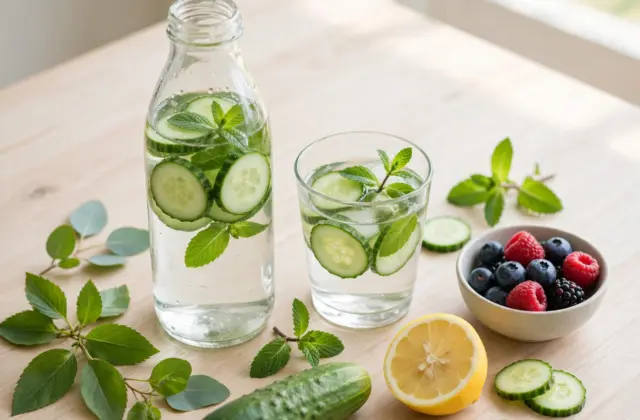
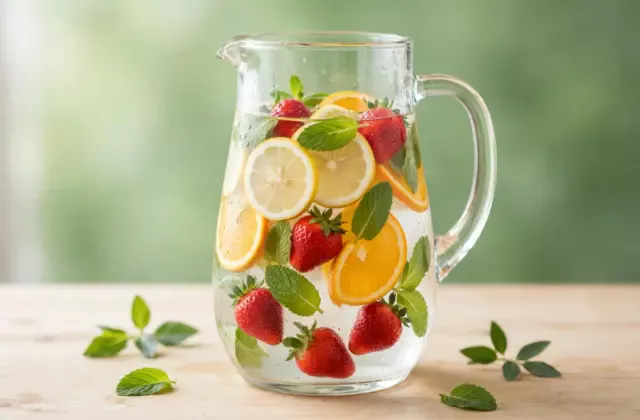
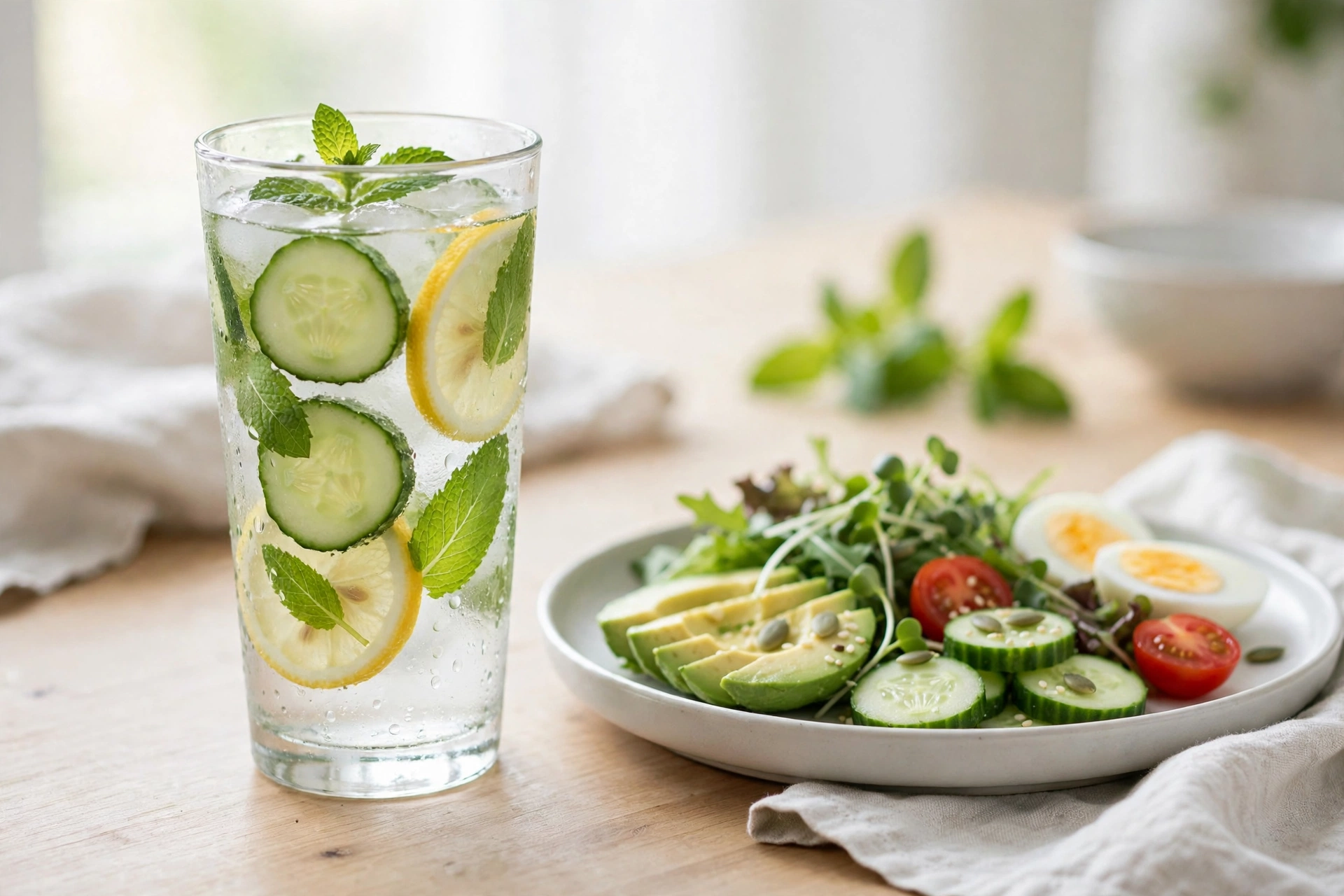
Those are reference values for healthy adults, not a target you have to hit exactly. Hot weather, exercise, illness, and pregnancy all shift your needs. Thirst and the color of your urine are decent everyday guides: pale yellow is generally a good sign. But if plain water bores you, that’s fixable without sugar — a squeeze of lemon, a few cucumber slices, or a handful of mint turns a glass of water into something you actually look forward to. Sparkling water works the same way, and it pairs surprisingly well with rich or spicy food, where the bubbles cut through the heaviness.
Read also: How to Build a Balanced Plate
The sugar problem in a glass
Here’s the number that changes how most people look at their drink shelf. The World Health Organization recommends keeping free sugars — sugars added to foods and drinks, plus the sugars naturally present in honey, syrups, and fruit juice — below 10 percent of daily energy intake, and ideally below 5 percent. On a 2,000-calorie diet, that’s about 50 grams at the 10 percent level and around 25 grams at the 5 percent level.
The American Heart Association sets a tighter, fixed target: no more than about 25 grams of added sugar a day for most women and about 36 grams for most men. Now look at a single can of cola: a standard 330 ml can holds about 35 grams of sugar. One can can use up a woman’s entire daily added-sugar budget — before a single bite of food.
Juice deserves the same honest look. Even 100 percent juice with no sugar added counts as free sugars under the WHO’s definition, because the fiber that slows sugar down in whole fruit is mostly gone. A small glass of orange juice with breakfast is fine for most people; a large glass, every morning, alongside a sweetened cereal starts to add up. Whole fruit is almost always the better deal: you get the flavor, the fiber, and the water, and you chew it slowly enough to notice.
Sweetened teas, flavored coffees, energy drinks, and sports drinks work the same way. The label is your friend here — check the “Added Sugars” line on the Nutrition Facts panel and compare it against the 25-to-36-gram range. If one bottle already covers most of it, that’s a drink for rare occasions, not an everyday pairing.
Read also: How to Read Food Labels
Coffee and tea: good company, with a little timing
Unsweetened coffee and tea are genuinely good mealtime drinks. Black coffee has almost no calories, and green and black teas bring flavor without sugar. The caffeine is the part to keep an eye on: the U.S. Food and Drug Administration cites 400 milligrams a day as an amount not generally associated with negative effects in healthy adults, and an 8-ounce cup of brewed coffee carries about 95 milligrams. That works out to roughly four cups — but a large café mug can hold twice that, so the count depends on your cup, not just the number of cups.
One timing tip is worth knowing. Tea and coffee contain compounds called polyphenols that can reduce how much iron your body absorbs from plant foods — beans, lentils, spinach — when you drink them with the meal. The effect is modest and matters most for people who are low in iron or eat mostly plant-based meals. An easy fix is to enjoy your tea or coffee between meals rather than with them, or to pair iron-rich plant foods with a vitamin C source, like peppers or citrus, which helps iron absorption.
And a word on the flavored versions: a plain coffee is a different drink from a large mocha with syrup and whipped cream, which can carry as much sugar as a soda. If you love the sweet version, treat it like dessert — enjoy it, and don’t count it as your mealtime drink.
Milk and fortified drinks: what they add to a meal
A glass of milk with a meal is one of the simplest ways to add calcium and protein. A cup of milk provides roughly 300 milligrams of calcium — about a third of the 1,000-milligram daily reference value for most adults — plus around 8 grams of protein. Fortified milk also adds vitamin D, which helps your body use that calcium.
Milk fits best where the meal is light on protein or calcium: cereal and fruit at breakfast, a sandwich at lunch, or a simple soup at dinner. If you avoid dairy, fortified plant milks can play the same role, but check the label — calcium and vitamin D levels vary a lot between brands, and sweetened versions add sugar you may not want. Unsweetened soy milk is usually the closest match for protein.
Juice, smoothies, and sparkling water: how they stack up
These three get lumped together, but they behave very differently at the table.
Juice: convenient and tasty, but as noted above, it counts as free sugars. Keep portions small — a half-cup to a cup — and treat it as a complement to the meal, not the main hydration. Diluting juice half-and-half with sparkling water keeps the flavor and halves the sugar per glass.
Smoothies: the homemade kind, made from whole fruit, yogurt, and maybe a handful of greens, keeps the fiber that juice loses — so it’s closer to eating the fruit than drinking it. The store-bought kind is another story: many are sweetened with juice concentrate or added sugar, so check the label the same way you would for any drink.
Sparkling water: plain sparkling water hydrates just like still water, and its fizz makes it a good stand-in for soda at dinner. The one caveat is dental: sparkling water is mildly acidic, so if you drink it all day, every day, your dentist may suggest rinsing with plain water afterward or keeping it to mealtimes.
Read also: Simple Ways to Eat More Fruit
Drinks to save for rare occasions
Nothing here is forbidden — but some drinks earn their place as occasional treats rather than everyday pairings. Regular soda and sweetened energy drinks top the list, because they deliver a lot of sugar and caffeine with almost no nutrients. A 330 ml cola’s 35 grams of sugar is the clearest example, and energy drinks can add 200 milligrams or more of caffeine per can, which is half the FDA’s daily reference amount in one serving.
Sweetened iced teas, lemonade from a bottle, and flavored milk drinks belong in the same group. They’re not “bad” — they’re just dessert in a glass. When you treat them that way, the decision gets easy: enjoy them when you want them, and reach for water, sparkling water, or unsweetened tea the rest of the time.
Simple pairings for everyday meals
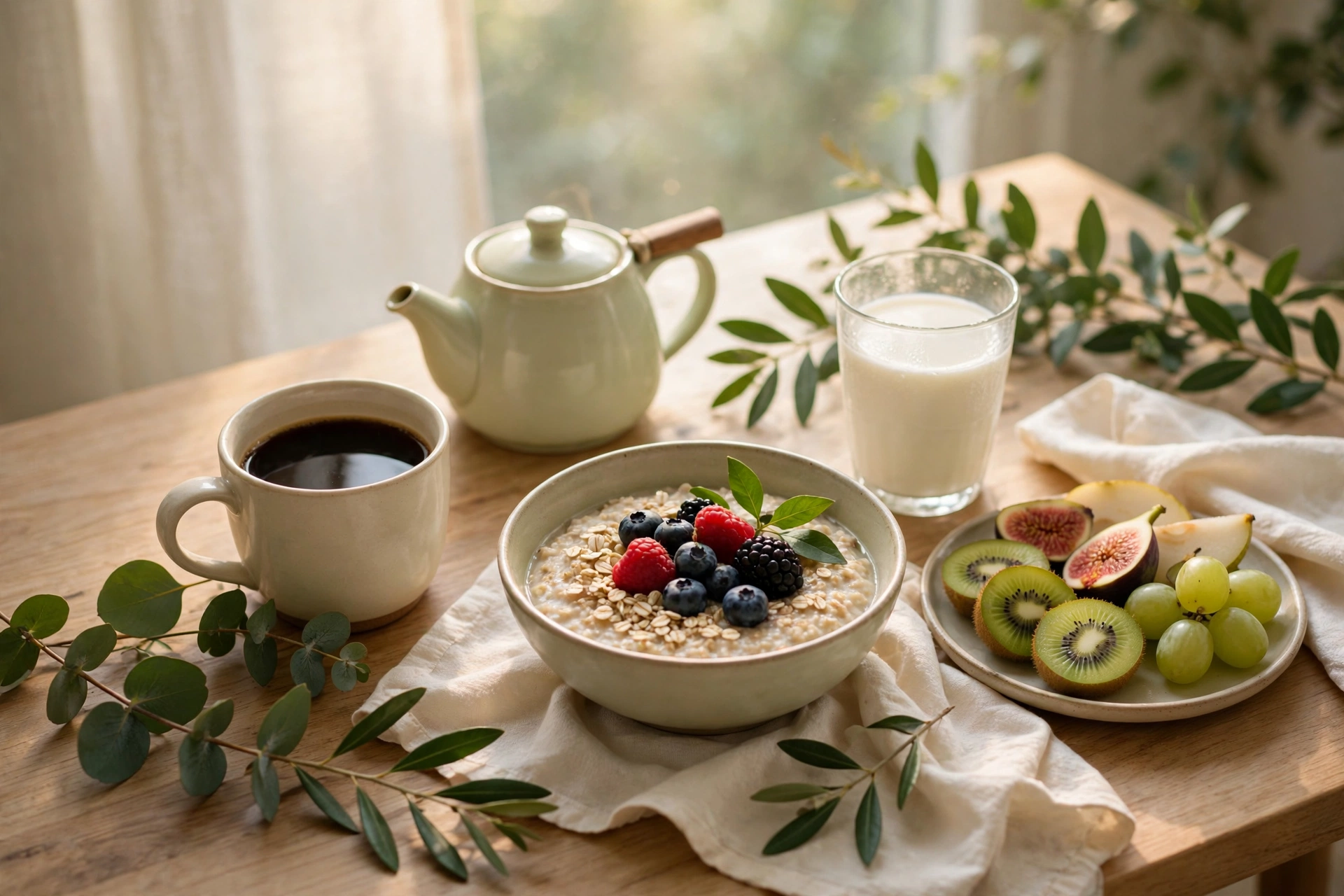
You don’t need a chart on the fridge. A few defaults cover most days:
- Breakfast: water or unsweetened tea with the meal; milk or fortified soy milk alongside cereal or toast if the meal is light on protein. Keep juice to a small glass, if you have it at all.
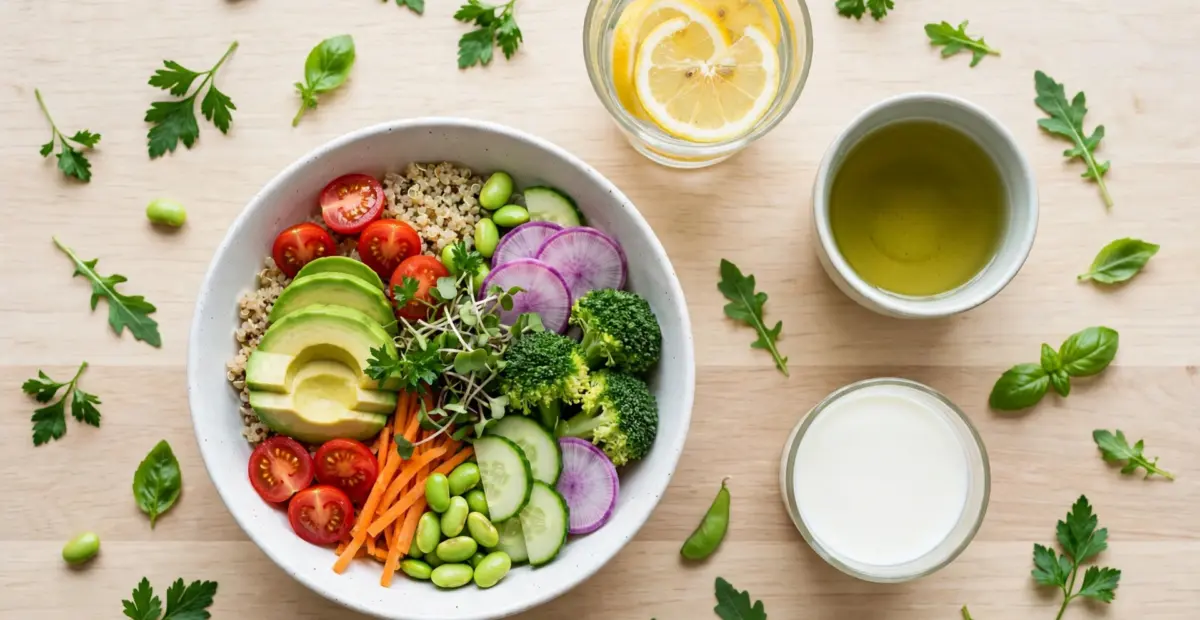
- Lunch: water or sparkling water with a squeeze of lemon. If you want something warm, unsweetened green or black tea pairs well with grain bowls, salads, and sandwiches.
- Dinner: water first, always. Sparkling water is a nice match for rich or spicy dishes. If you drink coffee, save it for after the meal rather than with it — especially if your dinner leans on beans, lentils, or leafy greens.
- Snacks: water is usually enough. A small glass of milk with an afternoon snack can help if you’re hungry and the snack is mostly fruit or crackers.
- After exercise or a hot day: water, and a little more of it than usual. Sports drinks are only useful for long, sweaty sessions — for a normal workout, water does the job.
The pattern is simple: the plainer the drink, the more often it fits. Sugar and caffeine are seasonings, not staples — a little, at the right time, and the meal stays the star.
Frequently asked questions
Is it okay to drink water during meals?
Yes. There’s no good evidence that water with meals harms digestion for healthy people. It can help you eat more slowly and notice fullness. If large amounts of liquid make you feel uncomfortably full, sip smaller amounts during the meal and drink more between meals.
How much water should I drink with each meal?
There’s no per-meal target. The National Academies’ adequate intake works out to roughly 3 liters of drinks a day for men and 2.2 liters for women, spread across the whole day. A glass or two with each meal, plus drinks between meals, gets most people there.
Is sparkling water as hydrating as still water?
Yes — plain sparkling water hydrates just as well as still water. The bubbles don’t change that. Just watch sweetened or heavily flavored versions, which are a different drink, and rinse with plain water if you sip it all day.
Should I stop drinking coffee with breakfast?
Not necessarily. Coffee with breakfast is fine for most people. The only reason to shift the timing is iron absorption: if you eat a plant-based breakfast rich in beans, lentils, or fortified cereals and you’re low in iron, having your coffee an hour after the meal is a small change that may help.
Sources
- World Health Organization — Healthy diet
- World Health Organization — Guideline: Sugars intake for adults and children (2015)
- National Academies of Sciences, Engineering, and Medicine — Dietary Reference Intakes for Water
- American Heart Association — Added Sugars
- U.S. Food and Drug Administration — Spilling the Beans: How Much Caffeine is Too Much?
- National Institutes of Health, Office of Dietary Supplements — Iron: Health Professional Fact Sheet
- USDA FoodData Central
This article is for general information only and is not medical advice. If you have a health condition, take medication, or have been told to limit fluids, caffeine, or sugar, talk with your clinician or a registered dietitian about what fits your situation.