Benefits of Eating Many Kinds of Vegetables
Most of us have a vegetable routine. The same salad leaves, the same carrots, the same broccoli on rotation — and if you are eating vegetables at all, that routine is already doing you good. But here is the quiet catch: no single vegetable covers everything your body needs. Broccoli brings one set of nutrients, sweet potatoes bring another, and beans bring something else again. Eating many kinds of vegetables is not about chasing a perfect plate. It is about widening the net, so the gaps one vegetable leaves are filled by another.
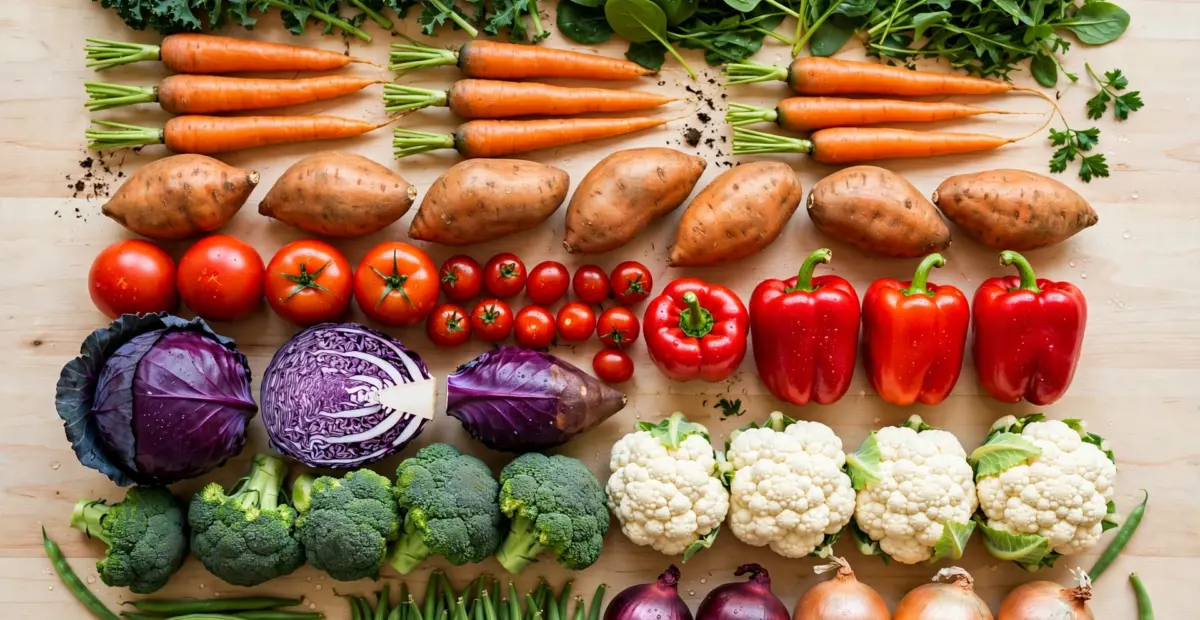
Think of it like a team. Each vegetable plays a position. Leafy greens, orange roots, cruciferous heads, beans and alliums each contribute different vitamins, minerals, fibres and plant compounds. When you rotate them through the week, your diet becomes more complete without you having to count a single nutrient.
Why variety matters more than any single “superfood”
There is no one vegetable that does it all. Spinach is rich in folate and vitamin K, but it is not a great source of vitamin C compared with peppers. Carrots bring beta-carotene, which your body converts to vitamin A, but they offer little of the sulphur compounds found in cabbage and broccoli. Tomatoes bring lycopene. Beans bring soluble fibre and plant protein. Each one is strong somewhere and thin somewhere else — and that is exactly why variety works.
The World Health Organization lists diversity as one of the four core principles of a healthy diet, alongside adequacy, balance and moderation. Its guidance is straightforward: eat a variety of foods daily, and aim for at least 400 grams — about five portions — of fruits and vegetables every day, plus at least 25 grams of naturally occurring dietary fibre from foods.
The research backs the principle. A large dose-response meta-analysis by Aune and colleagues, covering 95 prospective studies, found that each additional 200 grams of fruit and vegetables a day was associated with about a 10% lower risk of dying from any cause, with benefits continuing up to around 800 grams a day. The strongest links were seen for apples and pears, citrus fruits, green leafy vegetables, cruciferous vegetables and salads. In other words, both amount and range count — and different types were linked to different benefits.
What different colours and families bring to the table
You do not need a nutrition degree to build a varied vegetable week. Colour is a useful shortcut, because pigments often signal different plant compounds. A simple way to check your week is to ask: did I eat something green, something orange or red, and something from the cabbage family?
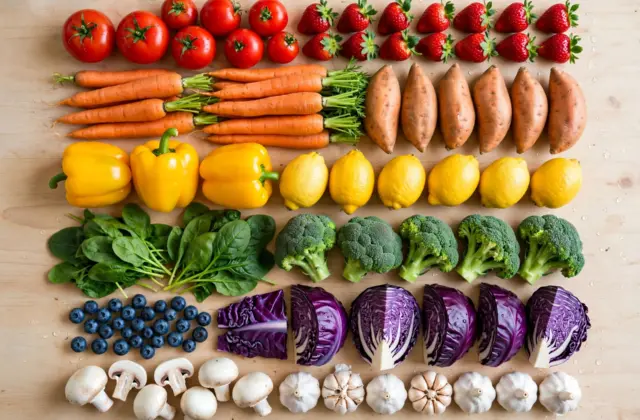
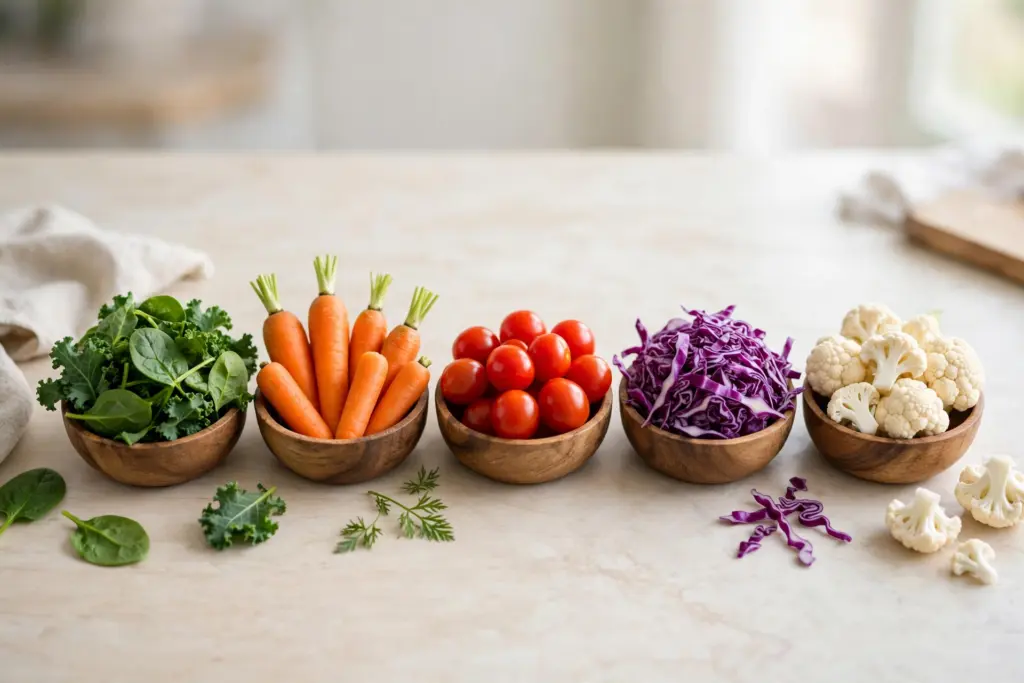
Dark green leaves — spinach, kale, chard — are among the most nutrient-dense foods you can eat, supplying folate, vitamin K and magnesium. Orange vegetables such as carrots, sweet potatoes and pumpkin are the classic sources of beta-carotene. Red vegetables such as tomatoes and red peppers bring lycopene and vitamin C. Purple vegetables such as red cabbage and aubergine bring anthocyanins, the pigments also found in berries. And cruciferous vegetables — broccoli, cauliflower, Brussels sprouts, cabbage — bring glucosinolates, compounds researchers continue to study for their role in long-term health.
Then there are the vegetables that do not fit neatly into a colour group but earn their place anyway. Onions, garlic and leeks add flavour and sulphur compounds. Mushrooms add a savoury, meaty texture and a small amount of vitamin D when exposed to sunlight. Beans and peas, counted as vegetables in many eating patterns, add fibre and protein that leafy vegetables cannot match.
Read also: How to Include More Colorful Produce in Meals
Variety and your gut
Your gut microbes thrive on diversity too. Different fibres feed different bacteria, and a wider range of plant foods tends to support a more diverse gut microbiome. That matters because fibre is not one thing: soluble fibre in beans and oats slows digestion and helps you feel full, while insoluble fibre in skins and stalks adds bulk and keeps things moving. Eating the same vegetable every day gives your gut the same fibre again and again. Rotating vegetables gives it a broader menu.
This is one reason the “eat the rainbow” idea has stuck around. It is not a rule with a magic number of colours, and colour alone does not make a food healthy. But as a practical habit, reaching for a different colour at each meal is an easy way to widen both nutrient and fibre intake without tracking anything.
Does vegetable variety itself lower risk?
It is worth being honest about what the evidence can and cannot say. Most studies on diet and long-term health are observational: they follow large groups of people over years and look for patterns. People who eat a wide variety of vegetables also tend to exercise more, smoke less and eat less processed food, so variety may partly be a marker of an overall healthier pattern rather than a single cause.
Even so, the pattern is consistent. A systematic review and meta-analysis of prospective studies found that greater total food variety was associated with a 12% lower risk of death from any cause, and that variety within vegetable subtypes was associated with a 33% lower risk of dying from cardiovascular disease. In a Swedish study of more than 59,000 women, those who regularly ate 16 to 17 healthy foods — including a wide range of fruits, vegetables, whole grains and fish — had a 42% lower all-cause mortality than women who regularly ate only 0 to 8 of them, with risk about 5% lower for each additional healthy food. These are associations, not proof of cause and effect, but they point in the same direction: a varied, plant-rich pattern is linked to better long-term outcomes.
How to add more kinds of vegetables without overhauling dinner
The easiest way to eat more kinds of vegetables is to change one small thing at a time. You do not need a new cuisine or a longer shopping list. Start with the meals you already cook.
First, add one new vegetable a week. Pick something you have never cooked — a celeriac, a kohlrabi, a bunch of mustard greens — and try it in a dish you already like. A new vegetable in a familiar soup or stir-fry is far less risky than a whole new recipe.
Second, rotate your staples. If you always buy broccoli, try cauliflower or green beans this week. If you always buy iceberg lettuce, try a bag of mixed leaves or baby spinach. The same meal, with a swapped vegetable, quietly widens your range.
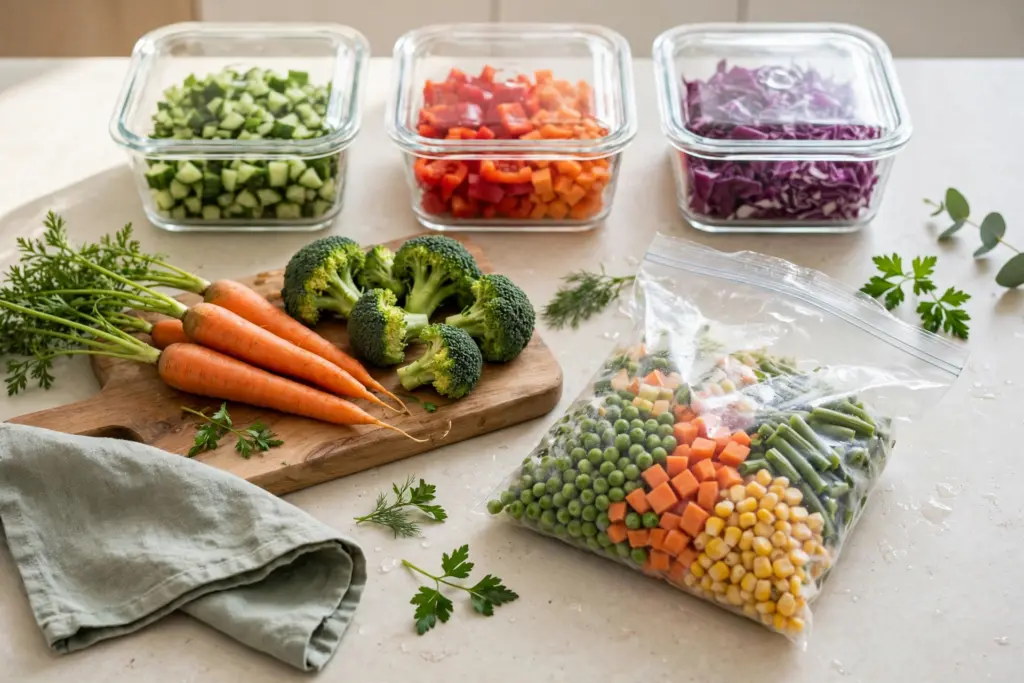
Third, use frozen vegetables as your backup. Frozen peas, spinach, broccoli and mixed vegetables are picked and frozen at harvest, and research has found their nutrient content broadly comparable to fresh produce stored for days in the fridge. A bag in the freezer means you can add a second vegetable to a meal even on a night when the fresh drawer is empty.
Read also: How to Add More Vegetables to Your Meals
Make variety cheap and practical
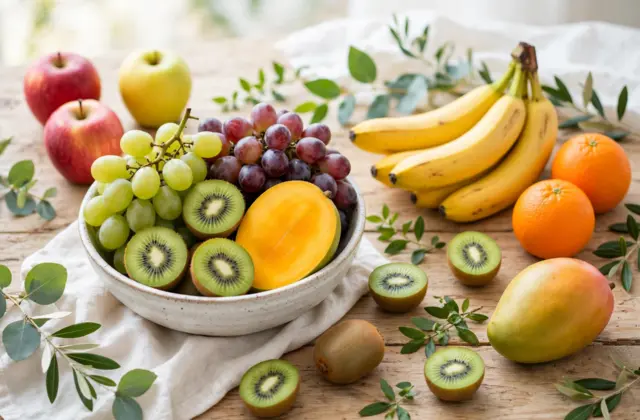
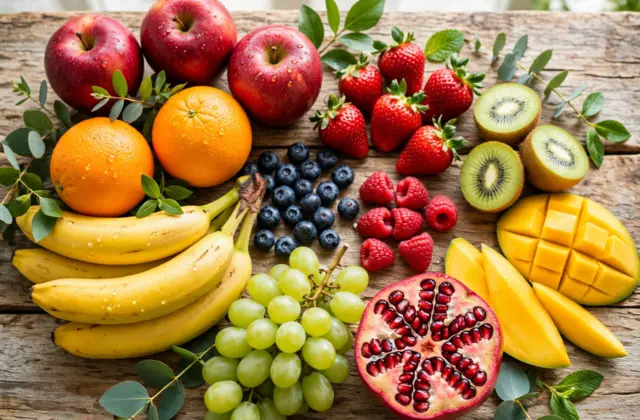
Variety does not have to mean expensive or exotic. Some of the most nutrient-rich vegetables are also the cheapest: cabbage, carrots, onions, frozen peas and dried or canned beans. Seasonal produce is usually cheaper and tastes better, so let the season choose for you — asparagus and peas in spring, tomatoes and courgettes in summer, squash and root vegetables in autumn, brassicas in winter.
A few practical habits help. Buy one vegetable you would not normally pick each time you shop. Chop and wash vegetables when you get home, so they are ready to throw into a pan. Keep a couple of long-life options — canned tomatoes, frozen spinach, dried lentils — so a varied meal is always possible. And cook in bulk: a big pot of vegetable soup or a tray of roasted mixed vegetables gives you two or three different vegetables across several meals.
What about picky eaters and small kitchens?
If you share meals with children or fussy adults, variety works best when it is low-pressure. Offer a new vegetable alongside a familiar one, in a small portion, without making it a test. Roasting changes the flavour of many vegetables — Brussels sprouts, carrots and cauliflower all turn sweeter in a hot oven — and a dip or a sauce can make a new vegetable feel less strange. Repeated, relaxed exposure matters more than any single tasting.
Small kitchens are no barrier either. One pot can hold three vegetables at once: a soup, a stew or a stir-fry is variety in a single dish. A salad does not need ten ingredients — two vegetables you have not combined before still counts as widening the range.
Read also: Simple Ways to Eat More Fruit
A simple weekly check
Instead of counting portions every day, try a weekly check. At the end of the week, list the vegetables you ate. If the list is long, you are doing well. If it is short — the same three on repeat — pick one new one for next week. Aim for the WHO target of at least 400 grams of fruits and vegetables a day as a whole, and let variety do the rest of the work.
The goal is not perfection. A week with eight kinds of vegetables beats a week with three, even if the total amount is the same. Small, steady widening — a new vegetable here, a swapped staple there — adds up to a diet that covers more nutrients, feeds a more diverse gut, and stays interesting enough to keep going.
Frequently asked questions
How many different vegetables should I eat in a week?
There is no official number. The WHO recommends at least 400 grams of fruits and vegetables a day, with diversity as a core principle. A practical target is to eat a different set of vegetables across the week rather than the same two or three every day — most people find that aiming for around 8 to 10 kinds a week is achievable without much effort.
Do frozen vegetables count toward variety?
Yes. Frozen vegetables count just like fresh ones, and they are a practical way to keep variety up when fresh produce is out of season or out of stock. Choose plain frozen vegetables without added sauces, salt or sugar.
Is eating the same healthy vegetable every day bad for you?
No — eating any vegetable regularly is good for you. The point of variety is not that repetition is harmful, but that different vegetables supply different nutrients and fibres. Keeping your favourite and adding one or two others is a better approach than dropping it.
Does cooking destroy the nutrients in vegetables?
Cooking changes nutrient levels in both directions: some vitamin C is lost to heat and water, while other compounds, such as the lycopene in tomatoes and the beta-carotene in carrots, become easier for your body to absorb when cooked. Eating a mix of raw and cooked vegetables is the simplest way to cover both.
Disclaimer: This article is for general information only and is not medical advice. If you have a medical condition or take medication that affects your diet, talk to your clinician or a registered dietitian before making significant changes.
Sources
- World Health Organization — Healthy diet
- Aune D, Giovannucci E, Boffetta P, et al. — Fruit and vegetable intake and the risk of cardiovascular disease, total cancer and all-cause mortality (International Journal of Epidemiology, 2017)
- Mozaffari H, et al. — How can eating a varied diet affect risk of mortality? Findings from a systematic review and meta-analysis
- Michels KB, et al. — A prospective study of variety of healthy foods and mortality in women (PubMed)