Beginner-Friendly Plant-Based Meal Plan
Going plant-based sounds like a big overhaul, but for most beginners it is really a series of small swaps. You keep the meals you already like, you change what sits at the center of the plate, and you build a few reliable defaults so you are not reinventing dinner at 6 p.m. every night. This plan is built for that kind of real life: no calorie counting, no specialty store required, and no rule that one imperfect meal ruins the week.
It helps to be clear about what “plant-based” means here. In this article it means meals built around vegetables, fruits, legumes, whole grains, nuts, and seeds, with animal foods optional rather than central. Some people following this plan will still eat eggs or dairy; others will go fully vegan. Both versions can work. The Academy of Nutrition and Dietetics states that, in adults, appropriately planned vegetarian and vegan dietary patterns can be nutritionally adequate and may offer long-term benefits for several cardiometabolic health outcomes. The key phrase is “appropriately planned” — and planning, it turns out, is mostly about variety and a handful of nutrients, not perfection.
Start With a Plate Template, Not a Diet Rulebook
Forget memorizing a long list of allowed and forbidden foods. A plate template does most of the work for you, and you can use it at home, at a restaurant, or at a friend’s house without pulling out an app.
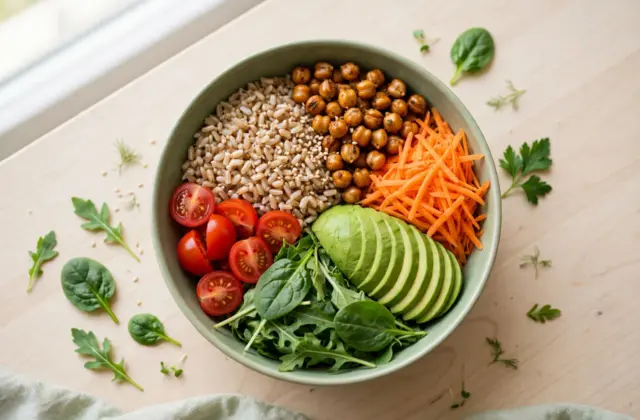
Aim for roughly this shape at lunch and dinner: half the plate vegetables and fruit, a quarter whole grains or starchy vegetables, and a quarter protein-rich plant foods such as beans, lentils, tofu, or tempeh. Add a thumb-sized drizzle of healthy fat — olive oil, avocado, nuts, or seeds — and you have a meal that is filling, colorful, and balanced without any measuring cups.
Breakfast follows the same logic in a smaller package. Oatmeal with berries and walnuts, whole-grain toast with peanut butter and banana, or tofu scrambled with spinach and mushrooms all hit the same notes: something from plants, some protein, some fiber, and a little healthy fat. When a meal feels unsatisfying, the fix is usually more protein or more fiber, not more willpower.
Read also: How to Create a Balanced Vegetarian Plate
Protein Without Meat: Easier Than You Think
Protein is the question every beginner asks first, and it is also the easiest to answer. Lentils, chickpeas, black beans, tofu, tempeh, edamame, Greek yogurt, and eggs (if you eat them) are all everyday options. One cup of cooked lentils provides about 18 grams of protein and 15.6 grams of fiber, according to USDA FoodData Central data — a combination that explains why a lentil soup can keep you full for hours.
You do not need to combine specific proteins at every meal. Older advice about “complete proteins” at each sitting has been replaced by a simpler idea: eat a variety of protein foods across the day and your body sorts out the rest. Rice and beans, peanut butter on whole-grain bread, and hummus with whole-wheat pita are classic pairings, but they work because they are varied and satisfying, not because of a magic ratio.
A practical target helps. The 2025–2030 Dietary Guidelines for Americans discuss protein intakes around 1.2 to 1.6 grams per kilogram of body weight per day, above the basic recommended dietary allowance of 0.8 grams per kilogram. For a 70-kilogram adult, that works out to roughly 84 to 112 grams a day — reachable with three meals that each include a palm-sized protein portion plus a protein-containing snack. If you are unsure what is right for you, especially if you are very active, pregnant, or managing a health condition, a registered dietitian can personalize the number.
Read also: How to Add Protein to Everyday Meals
A 7-Day Framework (Not a Rigid Menu)
Rather than a strict day-by-day menu, use a rotating framework. Pick one option from each row, repeat favorites without guilt, and swap freely when life gets in the way.
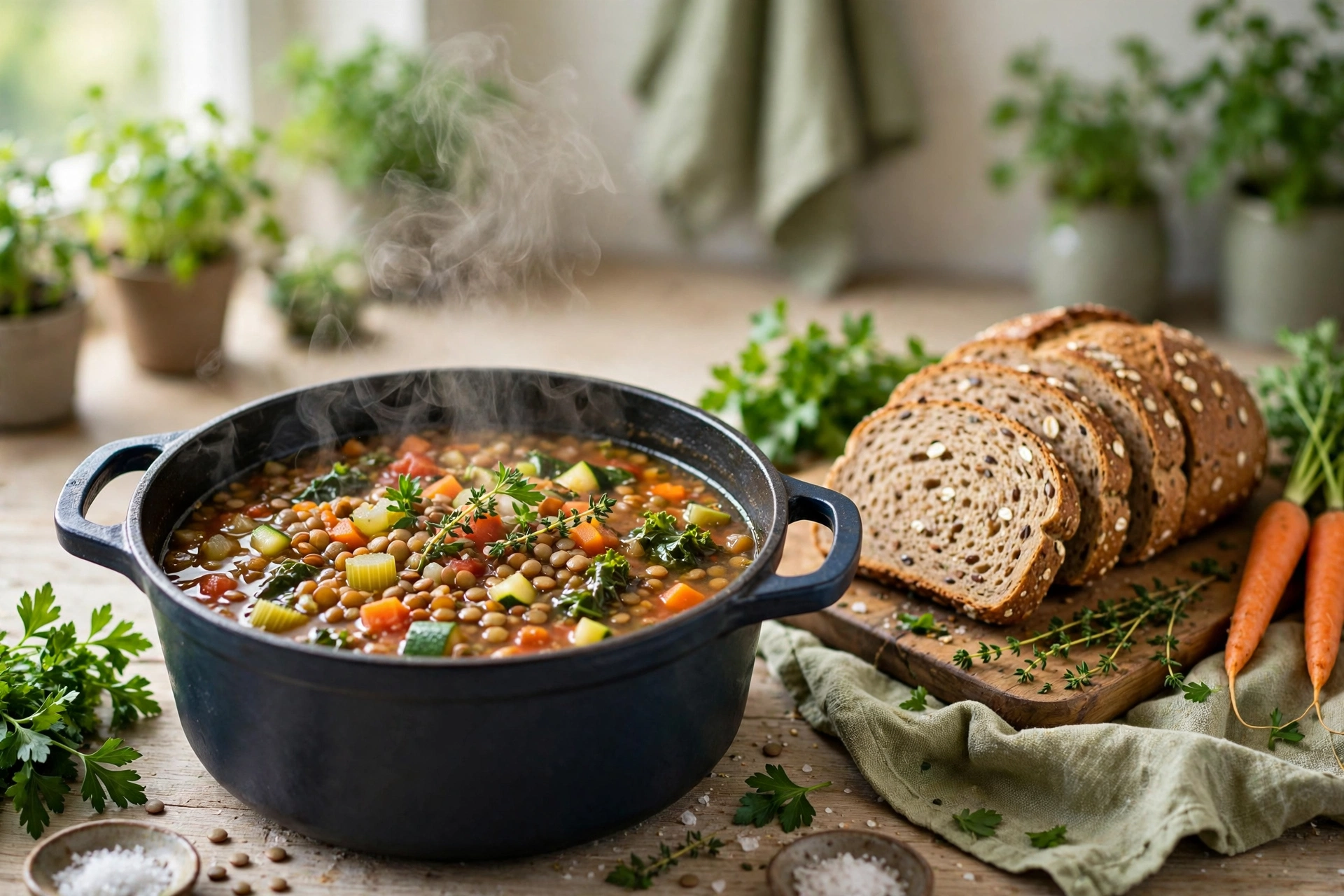
Monday — Soup night: lentil and vegetable soup with whole-grain bread and a side salad with olive oil dressing. Lentils do the heavy lifting here, and soup freezes beautifully for a later busy night.
Tuesday — Taco night: black bean and sweet potato tacos with corn tortillas, salsa, avocado, and shredded cabbage. Beans plus a starchy vegetable make this one of the most filling meatless dinners around.
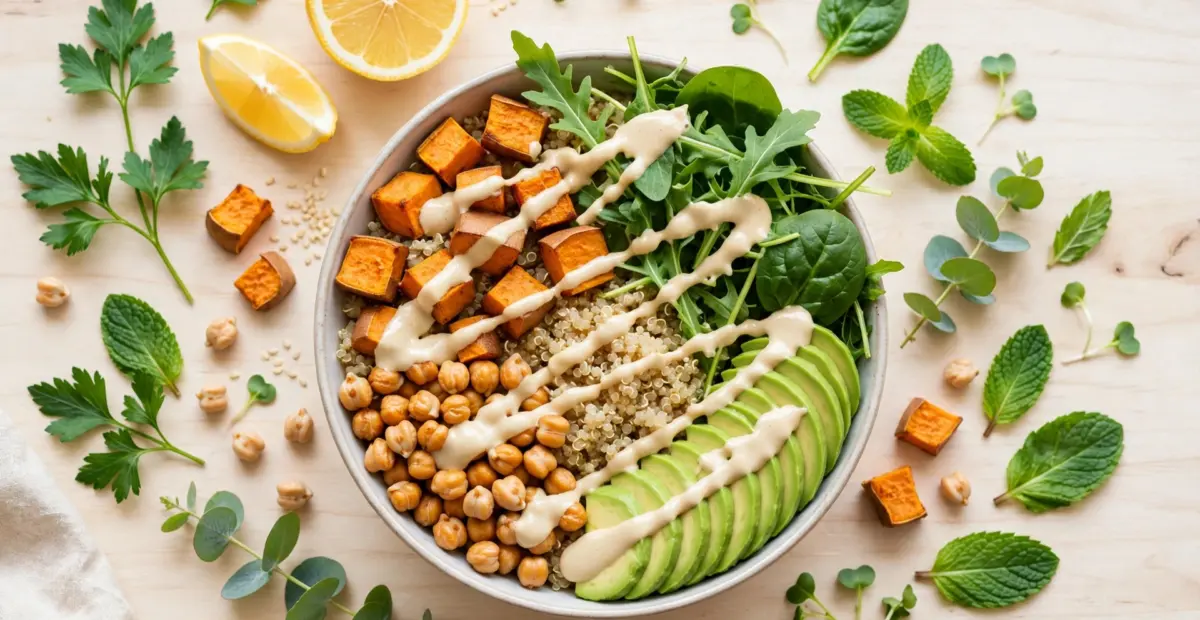
Wednesday — Grain bowl: quinoa or brown rice, roasted chickpeas, roasted broccoli, and tahini-lemon dressing. Grain bowls are the week’s best leftover vehicle — cook the grain once, use it three times.
Thursday — Pasta night: whole-grain pasta with white beans, tomatoes, spinach, garlic, and olive oil. White beans melt into the sauce and quietly add protein and fiber.
Friday — Stir-fry: tofu or tempeh with mixed frozen vegetables, brown rice, and a simple soy-ginger sauce. Frozen vegetables count fully here — they are picked and frozen at peak ripeness, and they save a weeknight.
Saturday — Build-your-own: baked potatoes or sweet potatoes with a toppings bar — chili beans, steamed broccoli, cheese or a dairy-free alternative, and salsa. Let everyone assemble their own plate.
Sunday — Prep day: a big tray of roasted vegetables, a pot of grains, and a batch of chickpea salad. Sunday’s cooking becomes Monday’s lunch and Wednesday’s bowl, which is the whole secret of a plan that actually lasts.
Notice what this framework does not do: it does not ask you to cook seven brand-new recipes. Three or four reliable meals, rotated and remixed, will carry you much further than a week of ambitious cooking followed by a week of takeout.
The Nutrients Worth a Second Look
A varied plant-based diet covers most nutrients easily, but four deserve deliberate attention — not worry, just attention.
Vitamin B12. This is the one nutrient you cannot reliably get from plants alone. B12 is made by bacteria and comes to us mainly through animal foods or fortified foods and supplements. The recommended dietary allowance for adults is 2.4 micrograms per day, according to the National Institutes of Health Office of Dietary Supplements. If you eat little or no animal food, a fortified nutritional yeast, fortified plant milk, or a B12 supplement is the straightforward answer — talk to your clinician about the form and dose that fits you.
Iron. Beans, lentils, tofu, spinach, and fortified cereals all provide iron, but plant iron (non-heme iron) is absorbed less efficiently than iron from meat. The fix is simple and tasty: pair iron-rich foods with vitamin C. Lentil soup with tomatoes, bean tacos with salsa, or tofu stir-fry with bell peppers all do this naturally. Tea and coffee with meals can reduce absorption, so save them for between meals if iron is a concern for you.
Calcium and vitamin D. If you skip dairy, calcium-fortified plant milks, calcium-set tofu, tahini, almonds, and leafy greens like kale and bok choy can cover calcium, but check labels — calcium content varies a lot between brands. Vitamin D comes mainly from sunlight and fortified foods, and many people, plant-based or not, fall short in winter. A supplement may be worth discussing with your clinician, especially if you get little sun exposure.
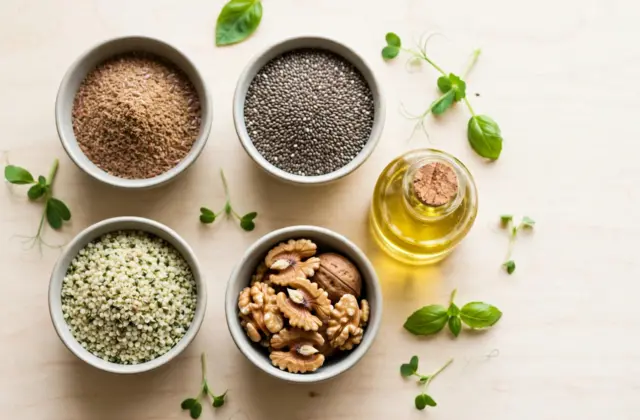
Omega-3 fats. Ground flaxseed, chia seeds, hemp seeds, and walnuts provide alpha-linolenic acid (ALA), a plant omega-3. Your body converts some ALA into the longer-chain forms found in fish, but the conversion is limited, so including these seeds and nuts regularly — a tablespoon of ground flax in oatmeal, a handful of walnuts in a salad — is a sensible habit.
Your Starter Grocery List
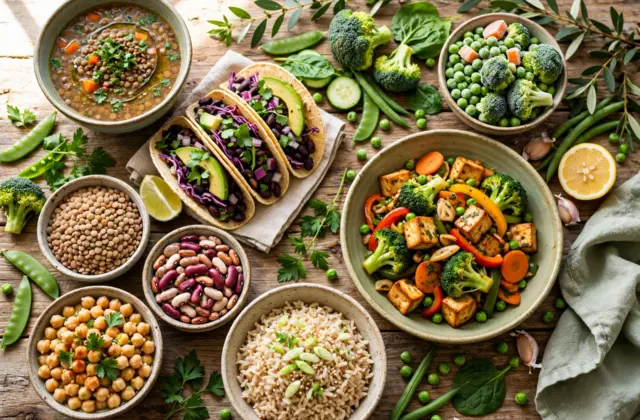
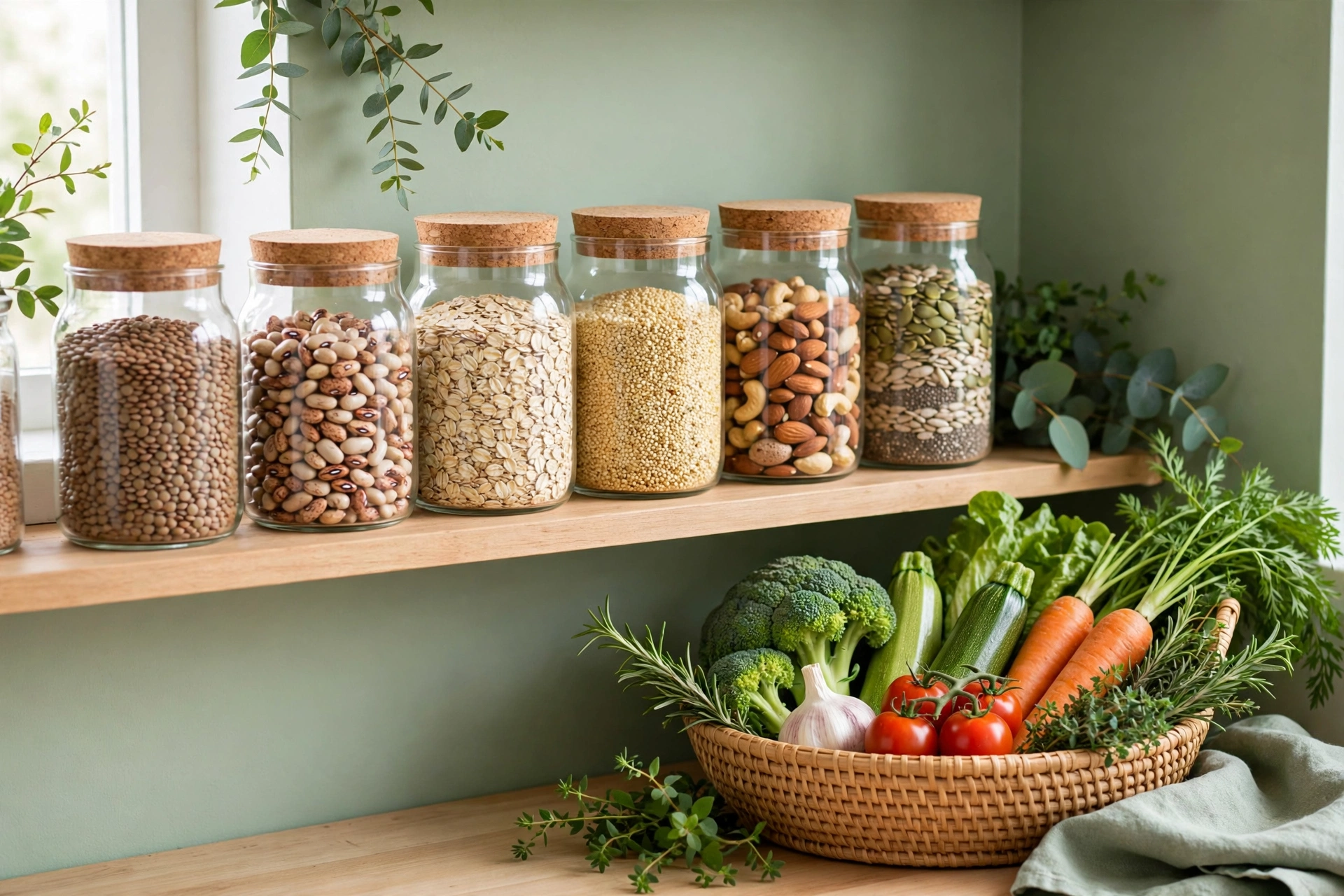
Keep the list short and repeatable. A plant-based pantry that can build a dozen meals looks like this: brown rice, quinoa, oats, whole-grain pasta, canned or dried beans and lentils, canned tomatoes, tofu or tempeh, peanut butter, tahini, olive oil, nuts and seeds, frozen mixed vegetables, onions, garlic, and a rotating cast of fresh produce. Add fortified plant milk, nutritional yeast, and a few herbs and spices, and you are set.
Shopping this way also lines up with the World Health Organization’s healthy-diet benchmarks: at least 400 grams of fruit and vegetables a day, at least 25 grams of naturally occurring fiber, free sugars below 10% of daily energy (about 50 grams, or 12 teaspoons, on a 2,000-calorie diet), and salt below 5 grams a day. Those numbers are population-level guides, not daily pass-or-fail tests — but a pantry built on whole plant foods makes them much easier to approach without thinking about them constantly.
Read also: How to Add Fiber to Your Diet
Five Beginner Mistakes (and the Easy Fixes)
1. Going from zero to everything overnight. Start with three or four plant-based dinners a week. A gradual shift sticks; a cold-turkey overhaul usually lasts until Friday.
2. Replacing meat with mostly refined carbs. A plate of white pasta with tomato sauce is technically meatless, but it will leave you hungry in an hour. Anchor each meal with a protein food and some fiber.
3. Skipping fiber’s learning curve. If beans and lentils are new to you, increase portions gradually and drink water through the day. Your gut adapts within a couple of weeks, and the payoff — steadier fullness and better digestion — is worth the ramp-up.
4. Forgetting B12. This is the one mistake with real consequences over time. If you eat no animal foods, make a B12 plan now, not in six months.
5. Chasing perfection. A plant-based pattern is about the overall shape of your eating, not any single meal. A birthday dinner or a family barbecue does not erase a week of good meals. Return to your template at the next meal and move on.
Frequently Asked Questions
Do I need to count protein every day? For most beginners, no. If each meal includes a protein-rich plant food — beans, lentils, tofu, tempeh, edamame, yogurt, or eggs — and you eat a variety of foods across the week, protein usually takes care of itself. Counting can help for a week or two if you are curious, but it is not a long-term requirement.
Is a plant-based meal plan more expensive? It can be cheaper, because its protein staples — dried lentils, beans, and whole grains — are among the least expensive foods in the store. Costs climb when the plan leans on specialty meat substitutes and packaged snacks. Build meals around pantry staples first and use substitutes as an occasional convenience, not the foundation.
Will I feel hungry without meat? Only if the meal is missing protein, fiber, or fat. A salad of leaves alone will not fill anyone, meat-eater or not. Add beans, a whole grain, and a drizzle of olive oil or a handful of nuts, and the same salad becomes a proper meal.
Do children or older adults need a different approach? The Academy’s 2025 position paper addresses adults, and nutritional needs vary considerably by age and life stage. Children, teenagers, pregnant or breastfeeding women, and older adults have specific requirements — particularly for B12, iron, calcium, and vitamin D — so it is worth checking in with a clinician or registered dietitian before making a big dietary change for someone in those groups.
Disclaimer: This article is for general information only and is not medical advice. If you have a health condition, take medication, or are considering a supplement, talk to your clinician or a registered dietitian first.
Sources