Healthy Eating Habits for Beginners
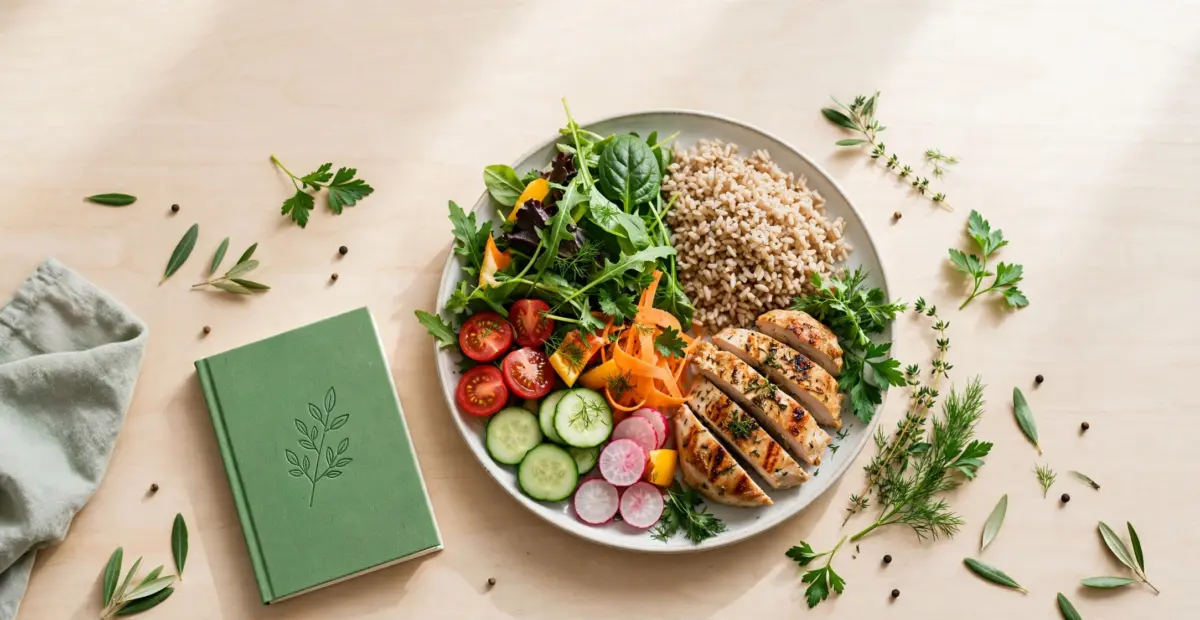
Healthy eating has a PR problem. For most beginners, it looks like a mountain — new rules, new groceries, a new personality — so they stand at the bottom and do nothing. The truth is quieter: you don’t need an overhaul. You need a handful of small habits that stack up while you’re busy living your life.
This guide walks you through eight of them. Not a diet, not a 30-day challenge — just practical shifts, backed by real nutrition science, that you can start this week and still be doing next year.
1. Anchor your breakfast with protein
Here’s the pattern to watch for: a breakfast of almost pure carbohydrate — a pastry, a bowl of sugary cereal, toast with jam. An hour later you’re hungry again, and the whole day tilts toward snacking.
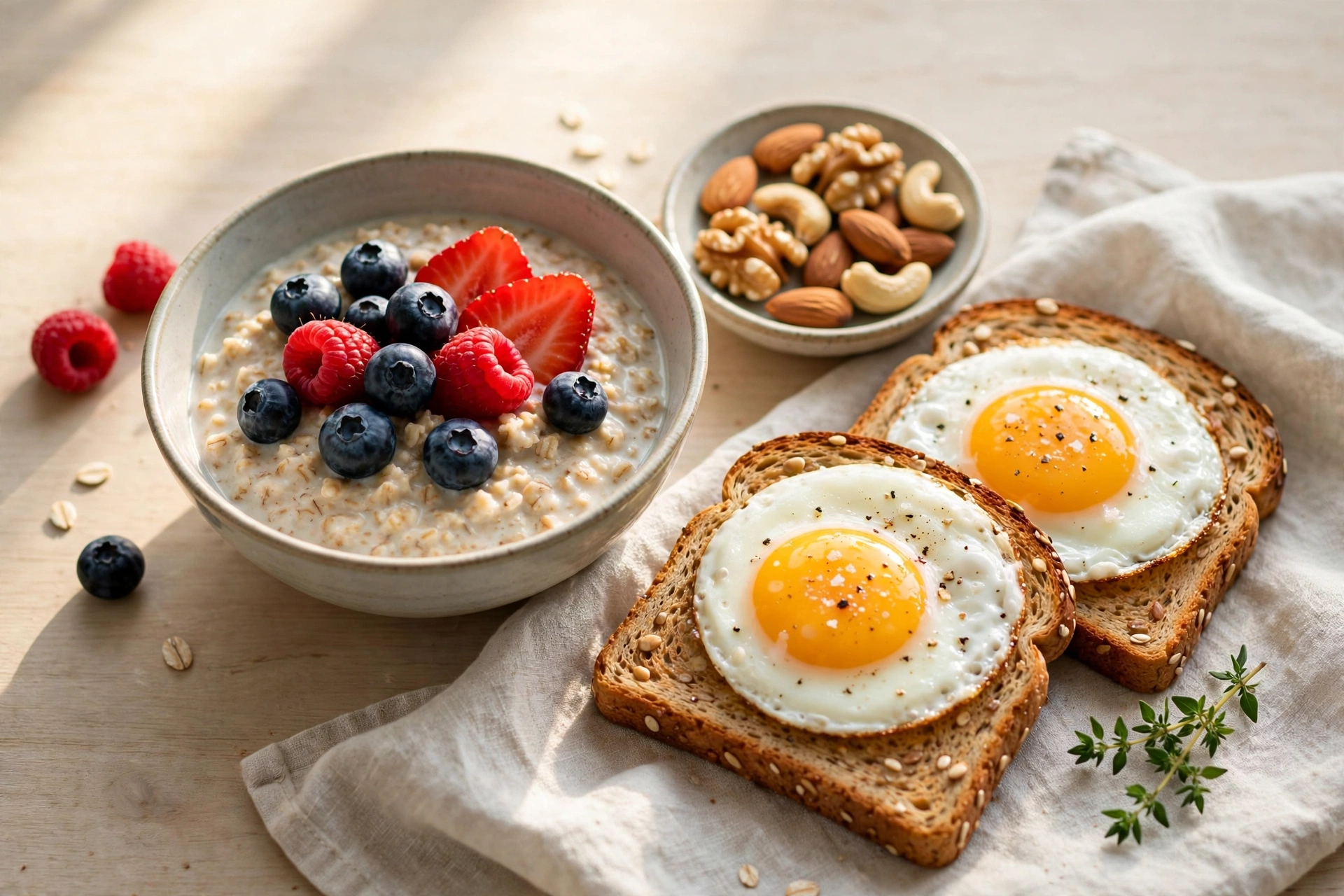
Protein slows that slide. It takes longer to digest, keeps blood sugar steadier, and keeps you full noticeably longer. You don’t need a fitness-influencer smoothie bowl. A couple of eggs on toast, Greek yogurt with a handful of nuts, or last night’s leftover chicken in a wrap all count.
Aim to spot a real protein source on your plate before coffee finishes. Once that becomes automatic, breakfast starts carrying the morning instead of sabotaging it.
2. Make plants take up half your plate
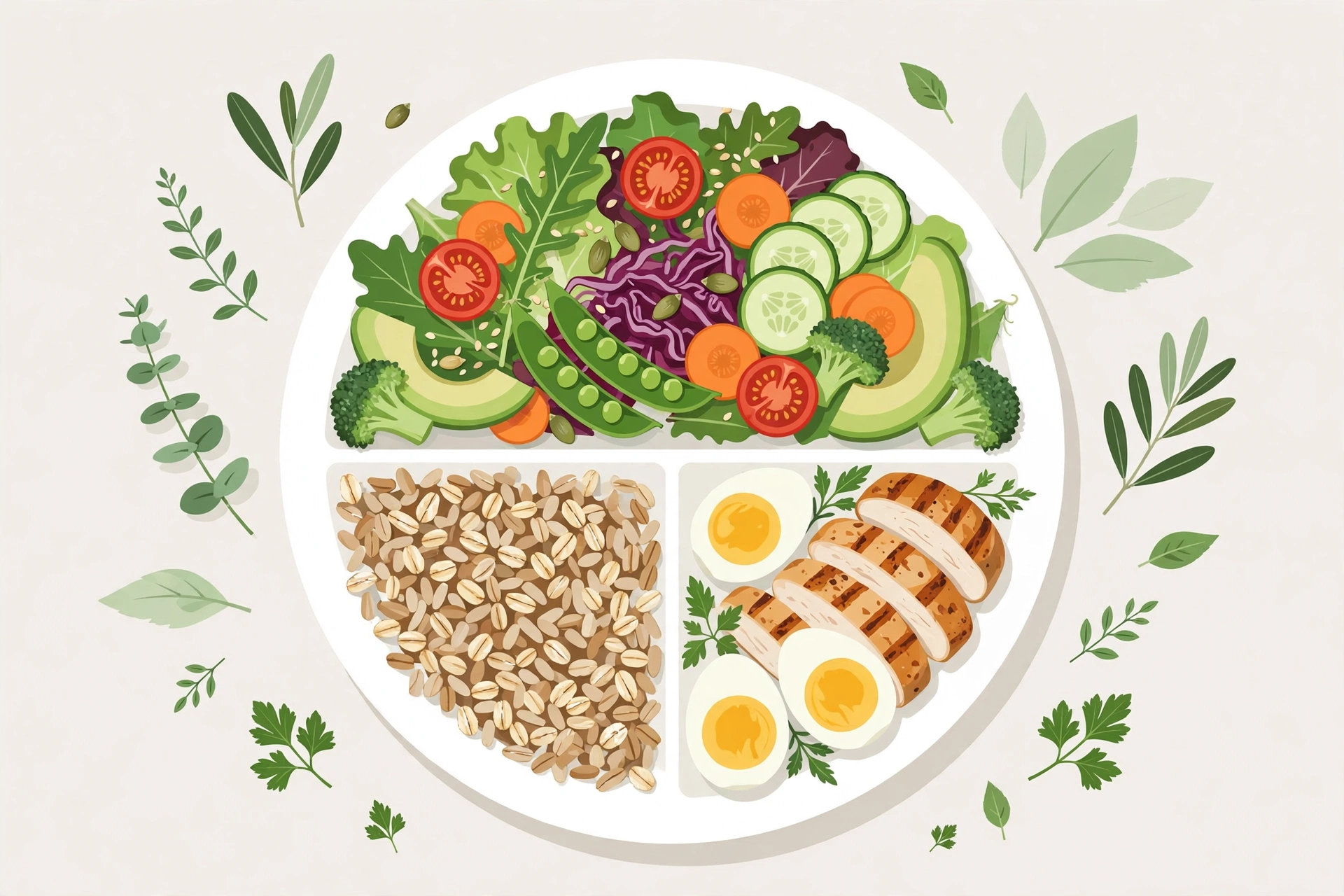
If you take exactly one idea from this article, take this one. The World Health Organization recommends at least 400 grams of fruit and vegetables a day — roughly five portions, not counting potatoes and other starchy roots. Almost nobody hits that, which is exactly why it matters: people who do are linked to lower risks of heart disease and several cancers.
Forget measuring grams. The classic plate method handles it for you: fill half your plate with vegetables or salad, a quarter with a whole grain, and a quarter with protein. Do that at lunch and dinner and the 400-gram target mostly takes care of itself.
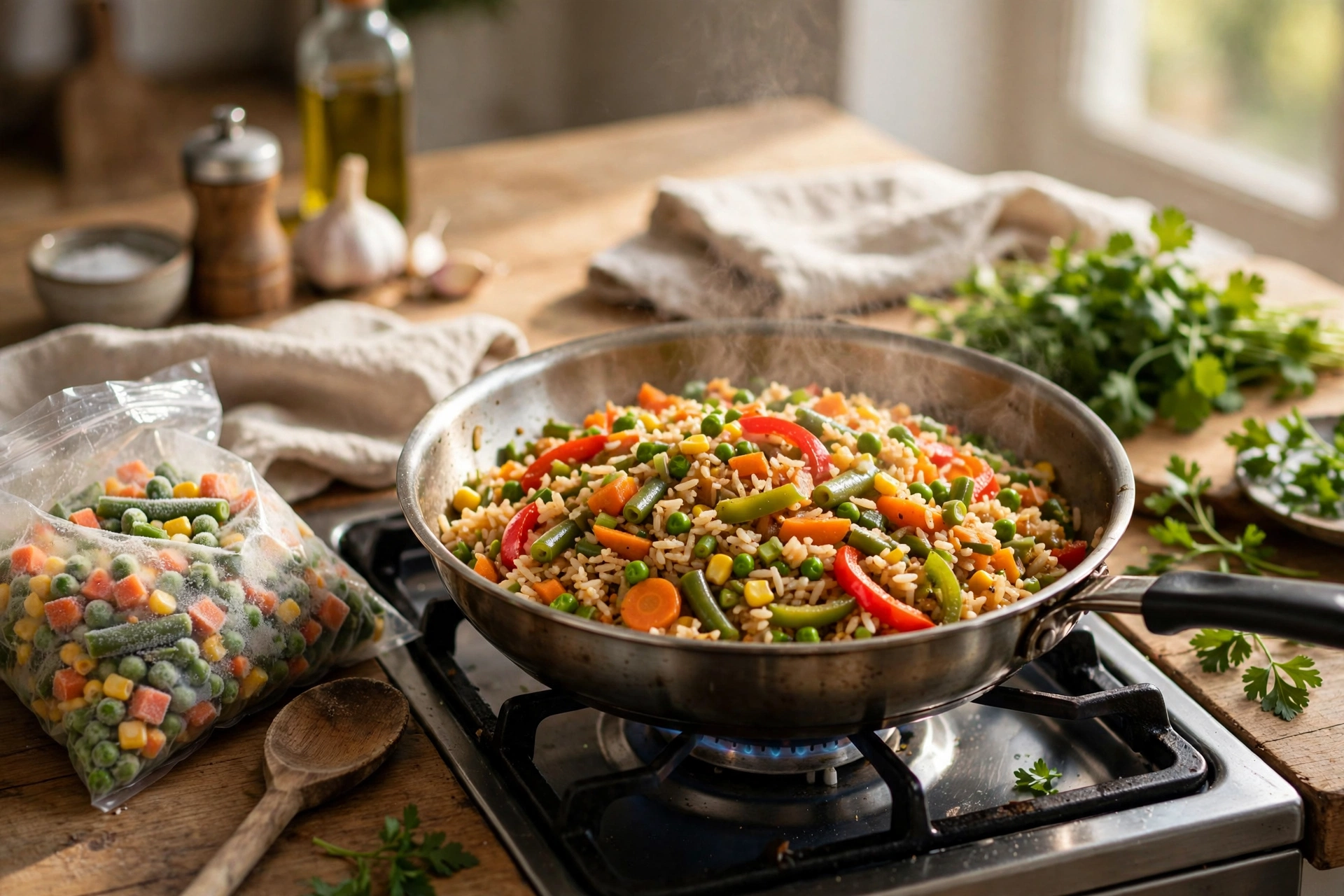
Frozen vegetables are the beginner’s secret weapon. They cost less, don’t rot in the crisper drawer, and nutritionally they’re just as good as fresh — they’re frozen right after harvest. A bag of mixed veg tossed into rice, eggs, or pasta turns an ordinary meal into a balanced one in about ten minutes.
3. Tame the sugary drinks
Drinks are where a lot of people consume sugar without noticing. A single 12-ounce can of regular soda carries about 9 teaspoons of sugar — which, on its own, already blows past the American Heart Association’s daily limit of 6 teaspoons of added sugar for women and 9 for men. Sweetened teas, flavored coffees, and energy drinks add up the same way.
You don’t have to give up sweetness cold turkey. Try shrinking the portion first — a small instead of a large — then alternate with water, then swap one drink a day for sparkling water with lemon or unsweetened tea. The World Health Organization advises keeping free sugars under 10% of your daily energy (about 50 grams, or 12 teaspoons, at a 2,000-calorie intake), and ideally under 5%. Getting your drinks under control does a surprising share of that work.
This habit tends to pay off fast: many people notice steadier energy within a week or two, simply because they aren’t riding the sugar-spike-and-crash cycle all afternoon.
4. Go whole grain by default
WHO’s latest guidance says carbohydrate intake should come primarily from whole grains, vegetables, fruits, and pulses — and it also recommends adults get at least 25 grams of naturally occurring dietary fiber a day. The easiest way to move both numbers at once: swap refined grains for whole ones where it hurts the least.
You don’t need to love every whole grain. Brown rice instead of white in your stir-fry. Oats instead of sugary cereal — oatmeal’s fiber keeps you full and it’s one of the cheapest breakfasts on earth. Whole-wheat bread if you actually like the taste (if you don’t, don’t force it; pick a different swap).
Check the ingredient list: the first ingredient should literally say “whole” — whole wheat, whole oats, whole brown rice. “Made with whole grains” on the front of the pack can mean almost anything.
5. Eat at regular times
Chaotic eating schedules produce chaotic eating. Skip lunch, and by 5pm you’re raiding the snack drawer with the focus of a treasure hunter. That isn’t a willpower problem — it’s biology. Long gaps between meals push your body toward fast, calorie-dense food because that food is precisely what biology wants when it’s been waiting.
Pick roughly consistent meal times and defend them. Lunch doesn’t need to be elaborate; a sandwich with chicken, lettuce, and tomato beats the 4pm vending-machine run every time. Snacks are fine too — a piece of fruit with a handful of peanuts keeps hunger quiet without derailing dinner.
Read also: How to Make Healthy Eating Family-Friendly
If your schedule is genuinely wild (shift work, kids, travel), plan one portable meal. A banana plus a small pack of nuts lives in a bag for hours and costs almost nothing. The habit is the anchor, not the menu.
6. Make the healthy choice the easy choice
This is the habit that powers all the others: design your environment so the default option is the one you want. Willpower is a battery that drains through the day; your kitchen layout is permanent.
Wash and cut vegetables the day you buy them and put them at eye level in the fridge — they get eaten when they’re visible. Keep fruit in a bowl on the counter. Put the chips on the top shelf or don’t bring them home at all. Keep a water bottle where you work.
Nobody eats well by arguing with themselves three times a day. Arrange things so the healthy option is also the lazy option, and you stop needing arguments.
7. Cook one more meal at home each week
Restaurant and takeout food tends to carry more salt, sugar, and saturated fat than the same meal made at home — and the portions are built to be generous. WHO recommends keeping total fat under 30% of daily energy (with saturated fat under 10% and trans fats under 1%) and salt under 5 grams a day, and home cooking gives you the steering wheel for all of it.
Don’t picture elaborate recipes. One more home meal than last week — scrambled eggs with frozen spinach, rice with frozen stir-fry veg and a fried egg, canned beans simmered with tomato and garlic. Simple counts. If you’re currently at zero home-cooked dinners, one a week is an infinite improvement.
Cook once, eat twice. Doubling the recipe and keeping half for tomorrow’s lunch is the cheapest meal-prep strategy there is, and it requires exactly zero extra skill.
8. Add one habit at a time — not eight
This is the meta-habit, and it matters more than the other seven combined. Trying to change everything on January 1st is why most people change nothing by February. Pick the one habit from this list that feels easiest, practice it for a week or two until it feels boring, then add the next.
A useful test: ask yourself, “Can I do this on my worst day?” If the answer is no, shrink the habit until the answer is yes. “Eat more vegetables” fails that test; “throw a handful of frozen spinach into dinner” passes it.
Healthy eaters aren’t people with more discipline. They’re people who installed a few small habits early and let compound interest do the rest.
Frequently asked questions
How long does it take for a healthy eating habit to form?
There’s no magic number of days, despite what popular articles claim. Research on habit formation shows it varies widely — anywhere from a few weeks to several months depending on the habit and the person. What shortens the time is consistency and making the habit easy enough to repeat daily.
Do I need to count calories to eat healthily?
No. Calorie counting is a tool, not a requirement, and for many beginners it turns eating into homework. If your plates look like the method described in habit 2 — half vegetables, a quarter whole grains, a quarter protein — and sugary drinks are rare, you’re covering the foundations without a single number.
Are cheat meals okay?
The idea of “cheating” on your own diet is part of the problem — it frames healthy eating as a punishment you’re sneaking away from. A slice of birthday cake at a party isn’t a failure of your habits; it’s just dinner with cake. Aim for consistency over the month, not perfection over the day.
What if healthy food is too expensive?
Some of the cheapest foods in the store are also among the most nutritious: oats, rice, beans, lentils, eggs, frozen vegetables, seasonal fresh produce. The expensive part of “eating healthy” is usually the packaged health-food marketing, which you can skip entirely.
Sources
- World Health Organization — Healthy diet: fruit and vegetable intake (400 g/day), free-sugar limits, fat intake limits, salt limits.
- World Health Organization — Guidelines on fats and carbohydrates (2023): carbohydrate quality and the 25 g/day dietary fiber recommendation.
- WHO Regional Office for Europe — Nutrition: maintaining a healthy lifestyle: salt and sodium limits.
- Harvard Health Publishing — Sugar: How sweet it is… or is it?: American Heart Association added-sugar limits (6 tsp for women, 9 tsp for men) and added vs. natural sugars.
Disclaimer: This article is for general information and isn’t medical advice. If you have a health condition, take medication, or have specific dietary needs, talk with a qualified health professional or registered dietitian before making big changes to how you eat.