Common Balanced Diet Mistakes
Most of us trying to eat better aren’t failing for lack of effort — we’re tripping over the same few habits. You’ve swapped the chips for the salad, cut the sugar in your coffee, and still the results stall or the cravings roar back. Here’s the uncomfortable truth: a “balanced diet” has a few common impostors. Small, easy-to-miss mistakes that quietly undo the good work. Let’s walk through the biggest ones, and the simple fixes that actually fit a real kitchen and a real schedule.
1. Demonizing carbs — or whole food groups
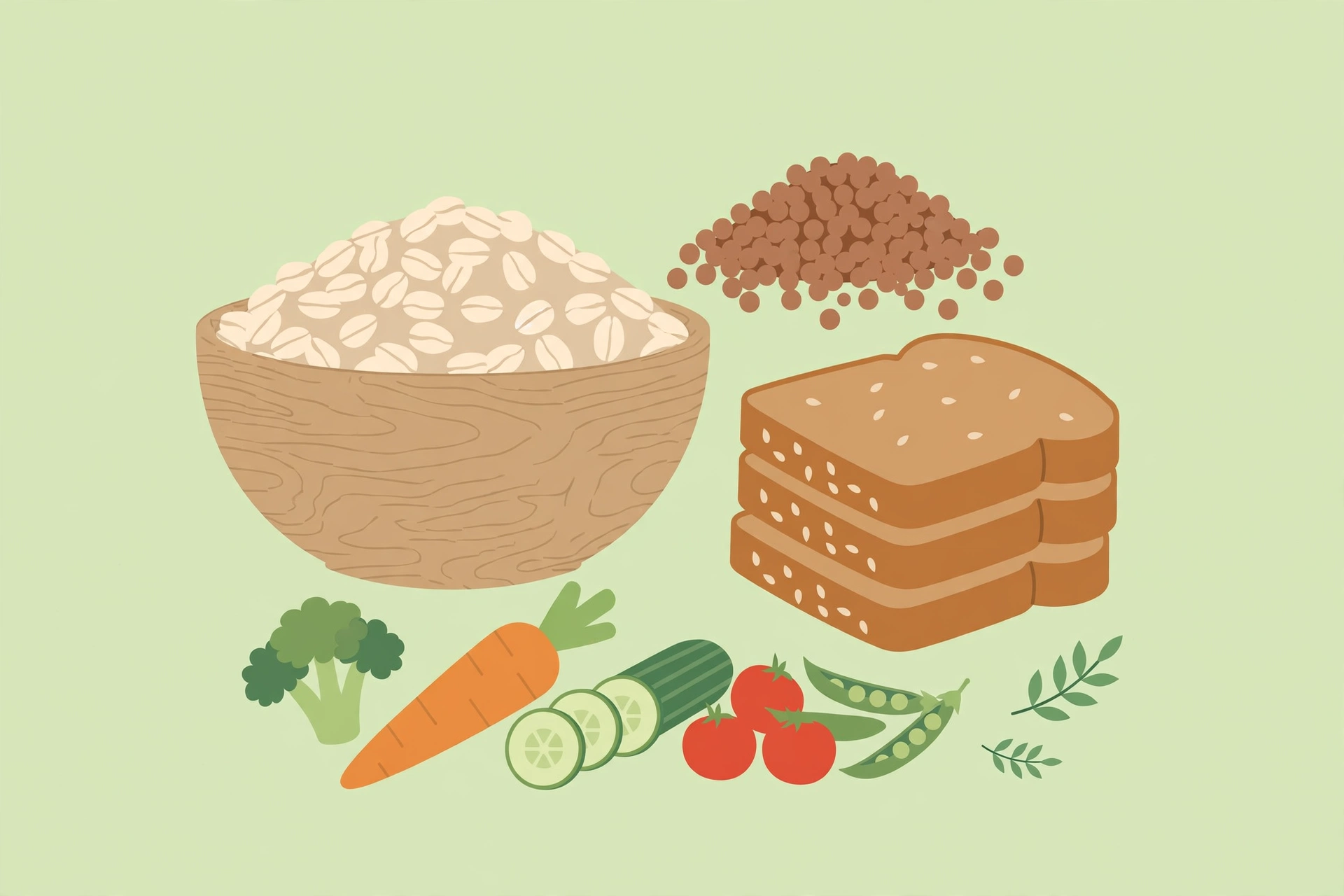
Carbs have become the villain of every diet conversation, but your brain and muscles run on them, and cutting them indiscriminately often backfires into binge-eating bread at 11 p.m. The World Health Organization recommends that carbohydrates make up roughly 45–75% of total daily energy for most people — the key is which carbs. A bowl of oatmeal, lentils, or brown rice is not the same as a glazed doughnut, and lumping them together is the mistake. The fix: swap refined grains for whole ones (whole-wheat bread, oats, brown rice, quinoa) rather than banning the entire category.
2. Fearing all fat
The low-fat craze taught a generation to fear butter and avocados equally, which is like fearing rain and floods as the same thing. Fat is essential, and the type matters far more than the total. WHO guidance suggests keeping total fat under 30% of daily energy, with saturated fat below 10% and trans fats under 1% — while favoring unsaturated fats from fish, avocado, nuts, and plant oils. The fix: cook with olive or canola oil, add a small handful of nuts, eat fish a couple of times a week — and stop feeling guilty about the yolk in your eggs.
3. Letting fiber quietly fall short
This is the silent one. Fiber keeps you full, feeds your gut bacteria, and slows sugar absorption — yet most people land far below the WHO recommendation of at least 25 grams of naturally occurring fiber a day. White rice, white bread, and juice-based breakfasts are fiber-poor without looking it. The fix is refreshingly boring: keep the skins on your fruit, choose whole grains, and add beans or lentils to two dinners a week. Your digestion will notice within days.
4. Drinking your fruit (and your sugar)
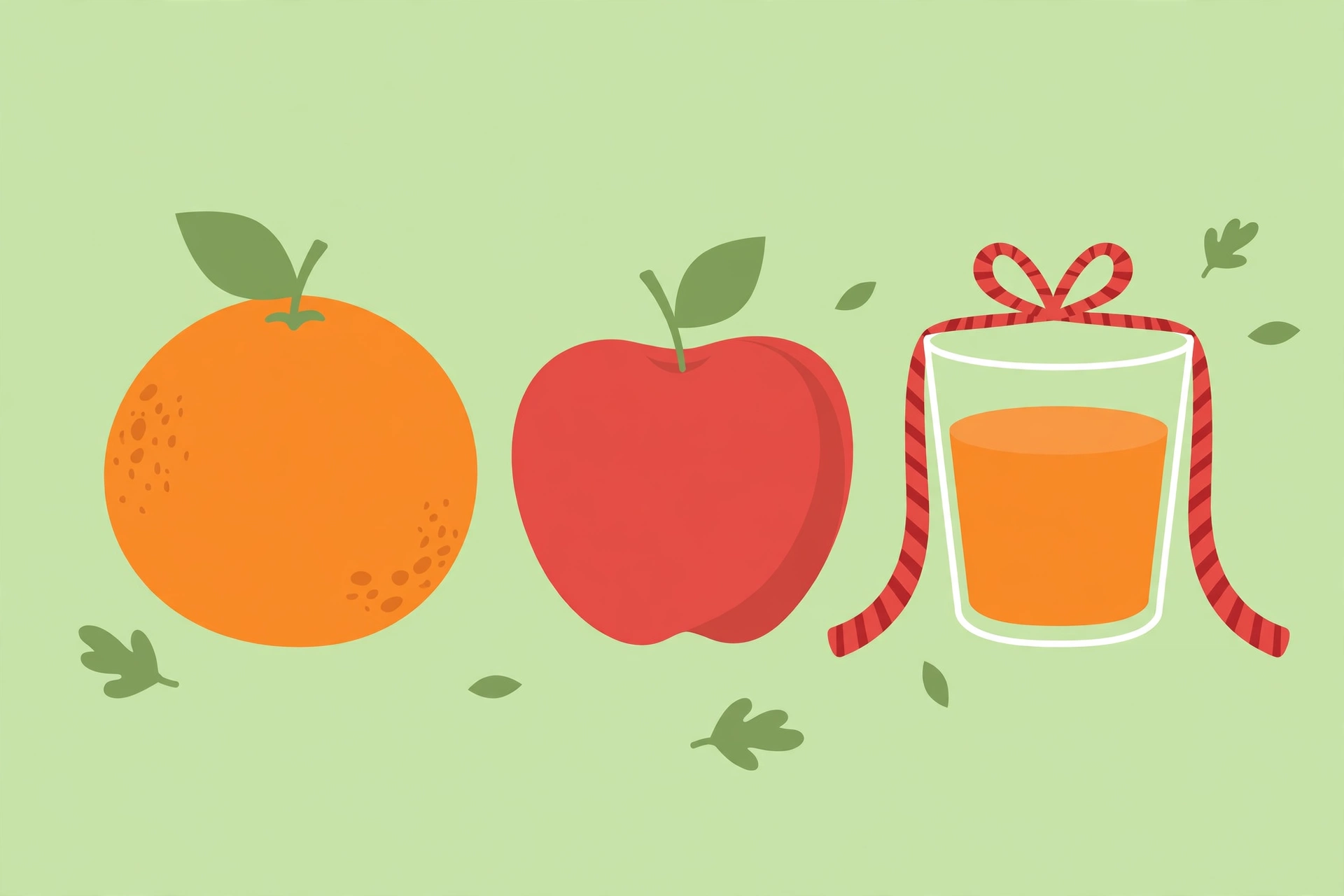
A glass of orange juice feels virtuous, but WHO counts even 100% fruit juice as a source of free sugars, recommending free sugars stay under 10% of daily energy — ideally under 5%, about 6 teaspoons (25 g) at a 2,000-calorie diet. Whole fruit delivers the same sweetness with fiber that slows things down; juice delivers the sugar hit without the brakes. The same goes for the “healthy” smoothie bowl with three fruits, honey, and sweetened yogurt. Fix: eat the orange, drink water, and if you love juice, keep it to a small glass with a meal.
5. Ignoring the salt hiding in processed food
Almost nobody salts their food into hypertension — the culprit is processed food. Bread, sauces, canned soups, instant noodles, and cured meats quietly push intake past the WHO’s under-5-grams-a-day ceiling (about a teaspoon of salt). You can’t taste your way out of this one; the fix is on the label. Compare sodium numbers on two brands of bread or stock and pick the lower one, and cook one extra meal from scratch each week — you automatically reset your baseline.
6. Treating “healthy” foods as calorie-free
Nuts, olive oil, honey, avocado, dark chocolate, granola — all nutritious, all easy to eat in quantities that quietly erase a calorie deficit. A handful of nuts is a great snack; half the jar is 400 extra calories. “Healthy” describes the nutrient profile, not the energy content. The fix: portion the calorie-dense heroes — a small handful of nuts (~30 g), a teaspoon or two of oil per cooking session, one square of dark chocolate. Enjoy them; just don’t let “clean” mean “unlimited.”
Read also: How to Build Better Food Habits Gradually
7. The all-or-nothing trap
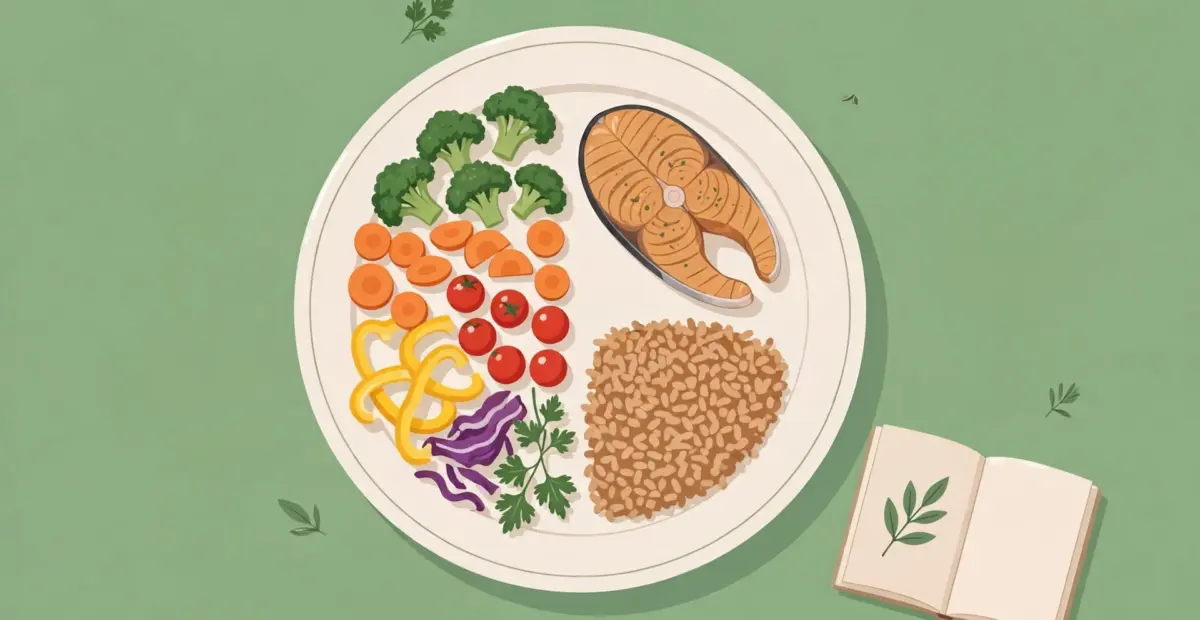
Perhaps the most damaging mistake isn’t a food at all — it’s the mindset. One skipped salad becomes “the diet is ruined,” which becomes a weekend of ordering in, which becomes Monday’s punishing cleanse. Research on eating behavior consistently shows that rigid restriction predicts rebound overeating, while flexible routines stick. The fix: aim for 80% consistency, not perfection. Ate pizza for lunch? Cool — make dinner the balanced plate: half vegetables, a quarter protein, a quarter whole grains. One meal never defines a diet; the pattern does.
8. Skimping on vegetables and calling it balanced
The classic plate method — half vegetables, a quarter protein, a quarter whole grains — remains nutritionally sound even though the USDA retired the MyPlate graphic in January 2026. But most plates are 80% starch and meat with a garnish of lettuce. WHO recommends at least 400 grams of fruits and vegetables a day — roughly five fist-sized portions. Fix: add one vegetable to a meal you already eat every day. Throw spinach into your eggs, keep cut cucumbers in the fridge, add frozen peas to your rice. No recipe required.
How to course-correct this week
You don’t need to fix all eight at once — that’s the all-or-nothing trap talking. Pick the two mistakes that sound most like your house and do this:
- Swap one refined grain for a whole one at your most routine meal (oats for breakfast, brown rice at dinner).
- Add one vegetable to a meal you already eat daily.
- Trade one sugary drink or juice for water or unsweetened tea.
- Read one label before buying — check sodium and added sugars, then compare.
Do that for a week, then stack one more. Balanced eating isn’t a finish line you cross; it’s a set of defaults you gradually install.
Frequently asked questions
What is the biggest mistake people make with a balanced diet?
Cutting out entire food groups or demonizing a single nutrient — usually carbs or fat — while ignoring the quieter issues like low fiber, excess sodium, and sugary drinks. Balance is about the whole pattern, not one villain.
How many vegetables should I eat each day?
The World Health Organization recommends at least 400 grams of fruits and vegetables daily for adults — about five fist-sized portions combined. Variety matters: different colors generally mean different nutrients.
Is fruit juice as healthy as whole fruit?
No. Even 100% juice counts as free sugars under WHO guidance, without the fiber that slows sugar absorption. Whole fruit is the better default; keep juice occasional and small.
Can I eat healthy without counting calories?
Yes. Many people maintain balance with the classic plate method (half vegetables, a quarter protein, a quarter whole grains), WHO’s fiber and sugar limits as guardrails, and portion awareness for calorie-dense foods like oils and nuts.
Disclaimer: This article is for general information only and is not medical advice. If you have a health condition or take medication, talk to a registered dietitian or your doctor before changing your diet.
Sources
- World Health Organization — Healthy diet (fact sheet): 400 g fruit and vegetables/day, 25 g or more fiber/day, free sugars less than 10% of energy, salt less than 5 g/day, fat less than 30% of energy, saturated fat less than 10%, trans fat less than 1%, carbs 45–75% of energy primarily from whole grains, vegetables, fruit and pulses.
- WHO Regional Office for Europe — Nutrition: maintaining a healthy lifestyle: guiding principles of a healthy diet, including variety, fiber, sugar, fat and salt limits.