Small Diet Changes That Last
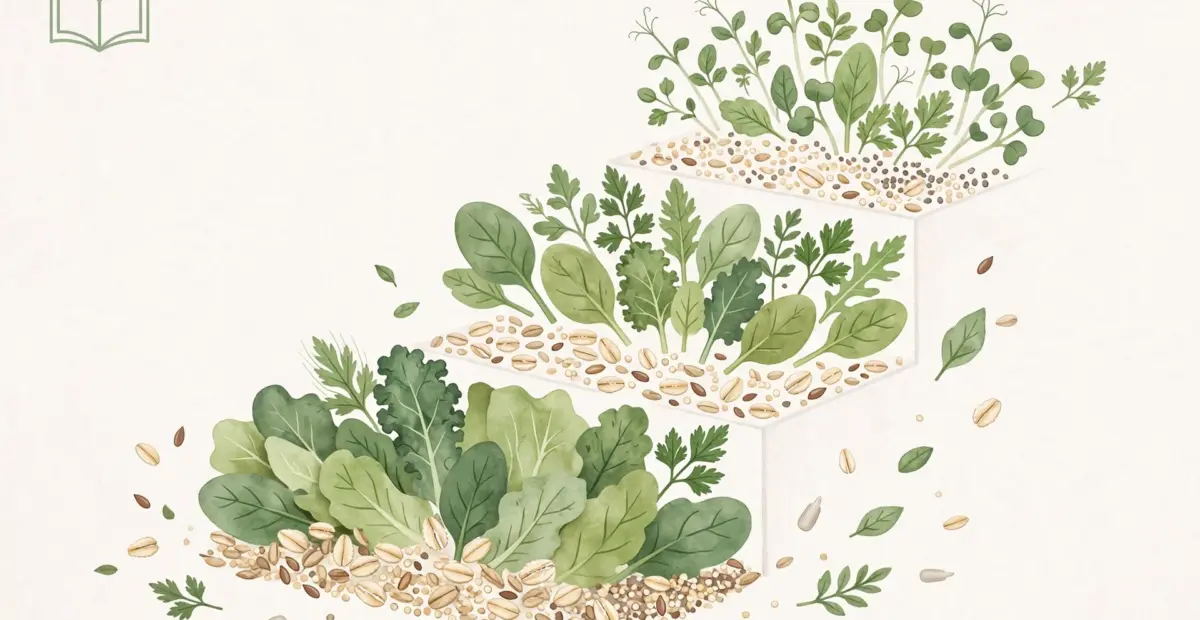
Most diets don’t fail because the plan was wrong. They fail because the plan was too big. The full fridge cleanout, the strict meal schedule, the banned-foods list — it works for a week or two, and then real life shows up: a late meeting, a birthday cake, a Tuesday when you’re just tired. The overhaul collapses, and the takeaway feels like a personal flaw. It isn’t. The plan was just bigger than any human routine can reliably hold.
There’s a quieter approach, and the research behind it is surprisingly strong: change one small thing, make it automatic, then add the next. Here’s what the science says about why tiny tweaks stick — and which ones are worth your effort.
Why big diet overhauls usually collapse
A massive lifestyle change demands willpower every single day, for every meal. But willpower isn’t a personality trait; it’s a resource that drains with stress, poor sleep, and decision fatigue. When the effort to eat differently costs more attention than you have, the default option wins — and the default is whatever you used to do.
Big changes also trigger the all-or-nothing trap. Miss one workout, eat one unplanned cookie, and the whole plan feels ruined, so why bother continuing? That thinking pattern turns a single ordinary moment into a reason to quit. Small changes dodge this neatly: if your only goal was to add a vegetable to dinner, one cookie doesn’t threaten anything.
The science behind small changes
The idea that tiny adjustments beat dramatic ones has been studied at the population level. In a 2009 report in the American Journal of Clinical Nutrition, researcher James Hill and a joint task force from the American Society for Nutrition, the Institute of Food Technologists, and the International Food Information Council argued that most gradual weight gain comes from a tiny daily energy surplus — around 100 kilocalories a day, roughly the energy in a small cookie or a glass of juice. That small gap, repeated daily, is enough to drive the one to two pounds of creeping weight gain most adults see each year.
The flip side is encouraging: a shift of about 100 kilocalories a day in the other direction — walking a couple of thousand extra steps, swapping one sugary drink for water — may be enough to prevent that gradual gain in the first place. The task force’s reasoning for why this approach works better than crash diets came down to five points, but the core one is simple: small changes are realistic to achieve and maintain, while large ones almost always aren’t. A further review in Obesity Facts noted that small changes can also build self-efficacy — each win makes the next change feel more doable.
How long does a new eating habit actually take?
Forget the old “21 days” myth — it came from a plastic surgeon’s observations in the 1960s, not from nutrition research. The most cited study on real-world habit formation, by Phillippa Lally and colleagues at University College London and published in the European Journal of Social Psychology in 2010, followed 96 volunteers as they repeated a simple health behavior daily (things like eating a piece of fruit with lunch or drinking water after a meal).
The median time to reach near-full automaticity was 66 days — with enormous variation. The range ran from 18 days to 254 days, and the simpler the behavior, the faster it stuck. Two findings are worth holding onto:
- Missing a day doesn’t reset you. An occasional missed opportunity did not materially affect the habit formation process. The damage comes from quitting, not from skipping.
- Early repetitions matter most. Automaticity rose fastest in the first weeks and then flattened toward a plateau. So the most important part is simply starting and repeating for the first month.
Translation: plan on giving any new eating tweak about two months before it feels effortless, and don’t panic when it’s not second nature by week three.
Eight small changes that are actually worth it
Not all small changes are equal. These pull double duty: each is easy to do, and each moves a meaningful number — fiber, added sugar, vegetables, whole grains — that major guidelines care about.
1. Add one vegetable serving to dinner. The World Health Organization recommends at least 400 grams of fruit and vegetables a day — about five portions. Most people fall well short. Adding a handful of frozen peas, a side salad, or roasted carrots to one meal is the single easiest way to close that gap.
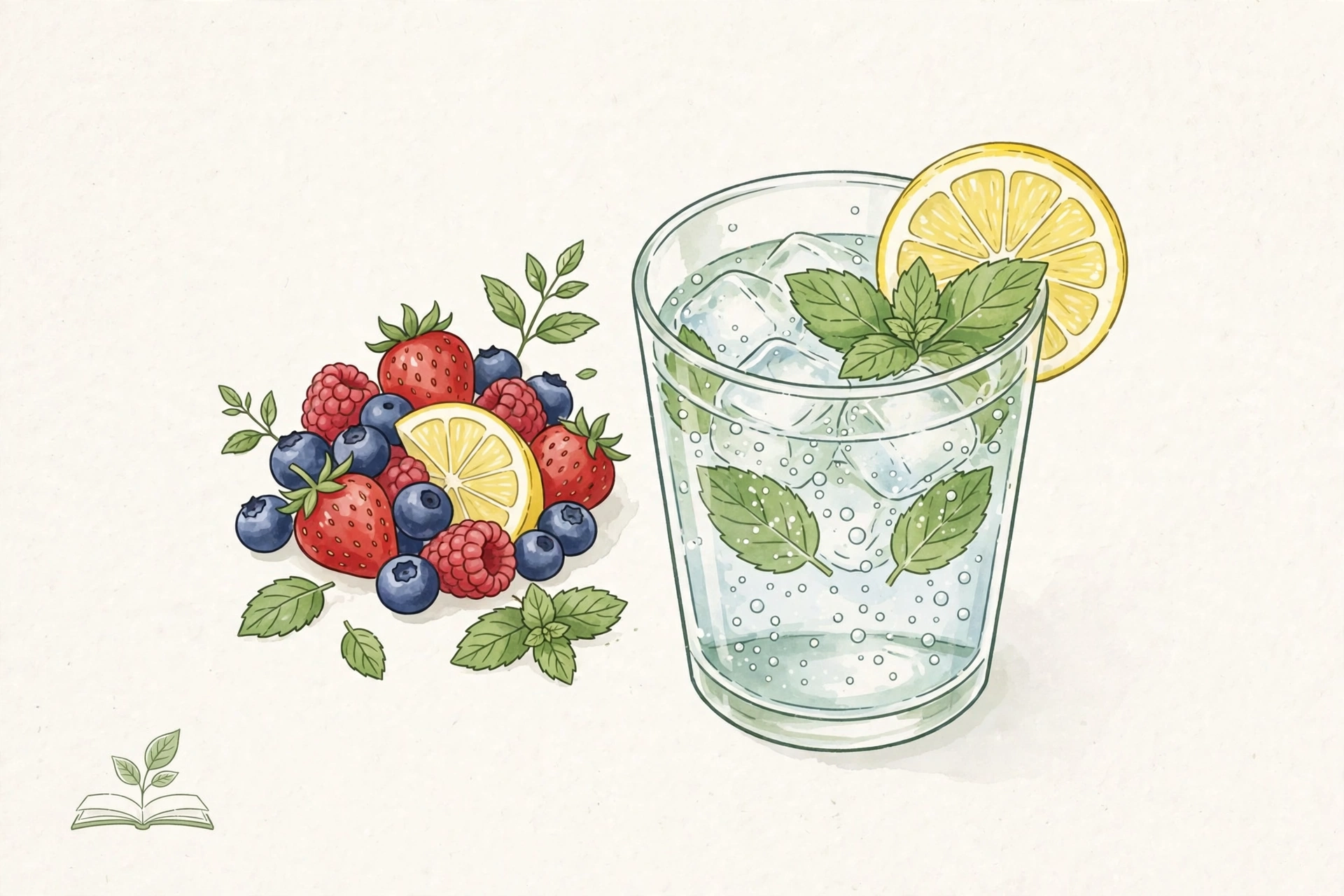
2. Swap your most sugary daily drink. If you drink one regular soda or sweetened coffee a day, switching to water, sparkling water, or unsweetened tea saves roughly 100–150 kilocalories — almost exactly Hill’s energy gap. It’s also the change most people report missing the least after two weeks.
3. Switch one grain to whole. White rice to brown rice, regular pasta to whole-grain, white bread to whole-grain. Same meal, same effort, more fiber and nutrients. The U.S. Dietary Guidelines for Americans, 2025–2030, specifically recommend prioritizing fiber-rich whole grains while cutting back on refined ones.
4. Use the half-plate trick. Fill roughly half your plate with vegetables before adding anything else. You don’t count calories, weigh food, or learn a new skill — the vegetables simply crowd out the rest.
5. Make fruit the default dessert. Keep fruit visible and ready to eat — washed berries in the fridge, a banana on the counter. People eat what’s easy. This one small environment tweak quietly displaces heavier evening snacks.
Read also: Healthy Eating Myths and Facts
6. Flavor with herbs, citrus, and spice instead of heavy sauces. A squeeze of lemon, a shake of chili flakes, or fresh herbs add satisfaction without the added sugar, sodium, and saturated fat that hide in creamy or bottled sauces.
7. Slow down for the first five bites. Put the fork down between bites, at least for the start of the meal. It takes about 20 minutes for fullness signals to register, and front-loading a little patience helps you notice them sooner.
8. Prep one breakfast. Decide tonight what tomorrow’s breakfast is — overnight oats, yogurt with nuts, whole-grain toast with peanut butter. Morning decisions happen on an empty tank of willpower; removing that one choice makes the day start on rails.
How to stack changes without burning out
The method matters as much as the change itself. Take one item from the list — just one — and attach it to something you already do. “After I start the coffee maker, I’ll cut up the fruit for breakfast.” “When I set the dinner table, I’ll put the salad down first.” Researchers call this anchoring a new behavior to an existing cue, and it’s one of the strongest predictors of whether a habit forms.
Then protect it with your environment, not your willpower. Move the cookies to the back of the pantry. Put the water bottle on your desk. Buy the frozen vegetables. Each of these takes thirty seconds once, and then it quietly votes for the new behavior every day.
Resist adding a second change for at least two weeks. A useful test: if you did the new behavior on most days this week without arguing with yourself about it, it’s becoming automatic — and you’re ready for the next one.
When (and when not) to add the next change
Add the next change when the current one feels boring — that’s the sign of automaticity, not failure. Don’t add it when life gets chaotic; a new job, a move, or a family crisis is the time to defend the habits you have, not stack new ones. Remember the study finding: missing days doesn’t break the curve. Only stopping does.
Over a year, eight small changes adopted two months apart add up to a genuinely transformed way of eating — without a single day that felt like a diet.
Frequently asked questions
How small is too small? There’s no such thing as too small if it points in the right direction. The purpose of a tiny change isn’t its calorie math; it’s the repetition that builds the habit machinery. A ridiculously easy change you actually repeat beats a perfect plan you abandon.
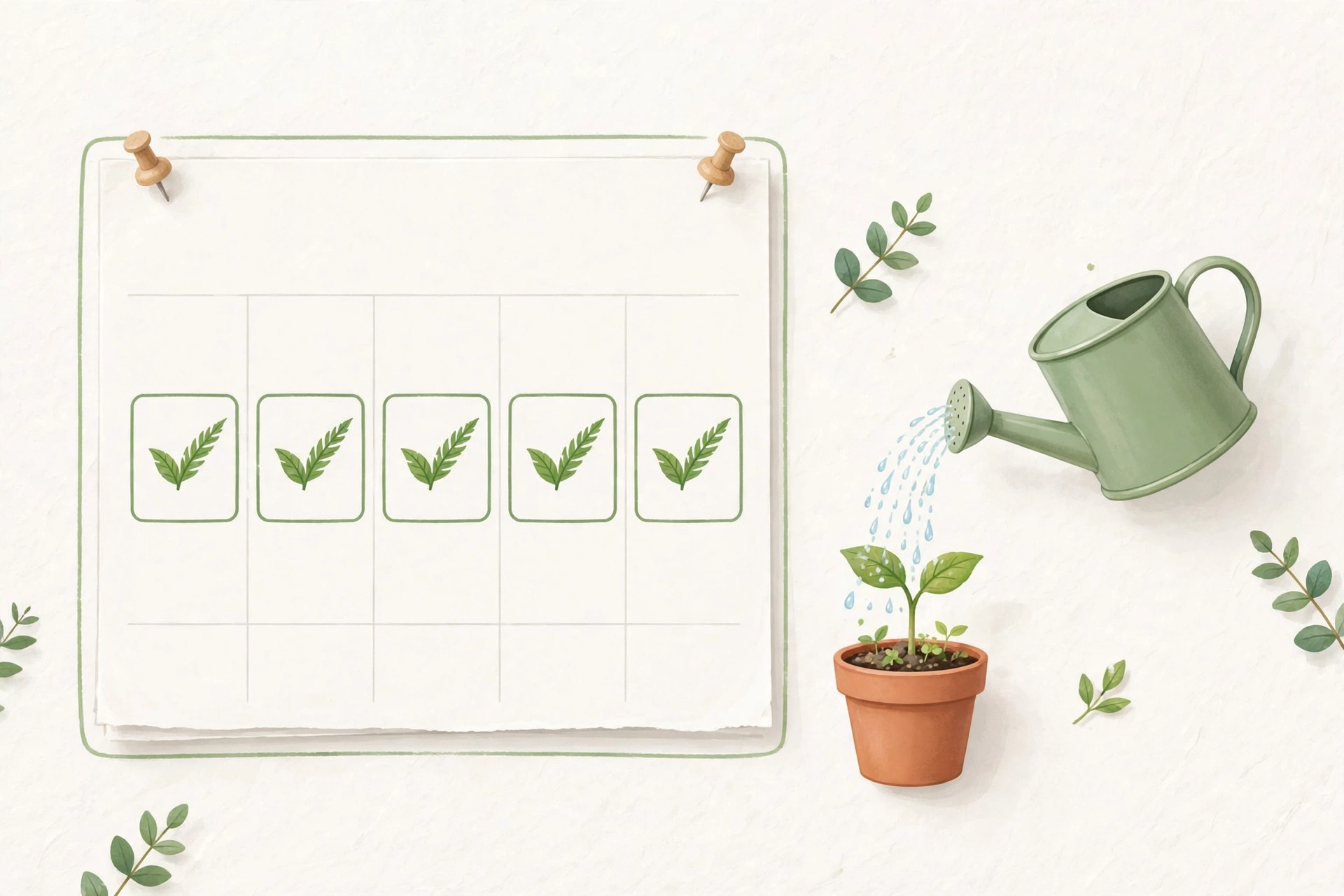
Should I track my small changes? A simple yes/no mark on a calendar is enough. Visible streaks are motivating, and the research says the streak matters more than perfection — a missed day or two in a row of successes doesn’t derail the process.
What if I fall off for a whole week? Restart the same change rather than upgrading to a bigger one out of guilt. Pick up where you left off; the automaticity curve flattens with repetition, so even partial progress from before still counts.
Do small changes work for weight loss, or only for preventing gain? The strongest evidence is for preventing gradual weight gain, which is how most excess weight accumulates. For active weight loss, small changes can still help — but it’s sensible to pair them with professional guidance tailored to your situation.
The bottom line
You don’t need a new personality to eat better. You need one small, repeatable change, anchored to a cue you already have, repeated for about two months. Then the next one. Small diet changes last because they ask so little of you each day — and what you repeat quietly becomes who you are.
Disclaimer: This article is for general information only and isn’t medical advice. If you have a health condition or take medication, talk to a qualified health professional before making dietary changes.
Sources
- Lally P, van Jaarsveld CHM, Potts HWW, Wardle J. How are habits formed: Modelling habit formation in the real world. European Journal of Social Psychology. 2010;40(6):998-1009. Full text via academia.edu — close reading of the 66-day finding
- Hill JO. Can a Small-Changes Approach Help Address the Obesity Epidemic? A Report of the Joint Task Force of the American Society for Nutrition, the Institute of Food Technologists, and the International Food Information Council. American Journal of Clinical Nutrition. 2009;89(2):477-484. Full text — IDEA summary
- Kain J, Corvalán C. ‘Small Changes’ to Diet and Physical Activity Behaviors for Weight Management. Obesity Facts. 2013;6:228-238. Full text
- World Health Organization. Healthy diet. Fact sheet
- U.S. Department of Agriculture & U.S. Department of Health and Human Services. Dietary Guidelines for Americans, 2025-2030. Current guidelines overview