How to Eat More Whole Foods
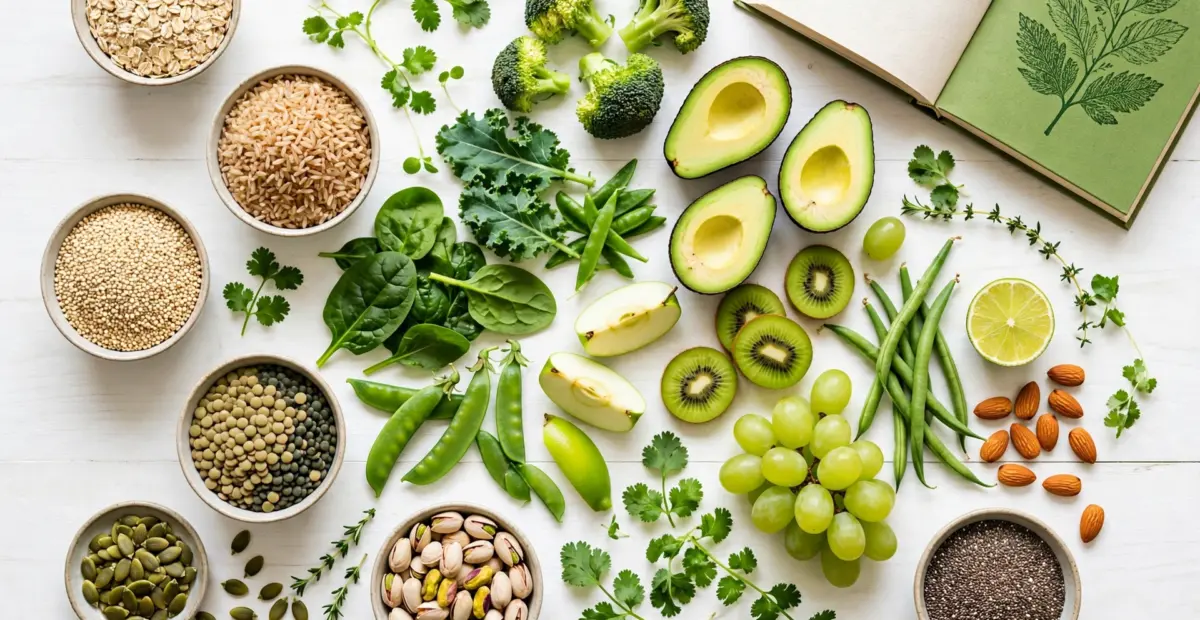
You already know whole foods are good for you. Nobody needs convincing that an apple beats a candy bar. The real problem isn’t knowledge — it’s that somewhere between the grocery store and dinner time, the whole foods you bought with the best intentions quietly wilt in the crisper drawer while you reach for whatever’s fastest.
Here’s the good news: eating more whole foods doesn’t require a personality transplant, a weekend of meal prep, or a new blender. It’s a set of small, almost boring upgrades to things you already do. Let’s walk through what “whole food” actually means, why it matters, and the practical moves that make it stick.
What counts as a whole food?
Whole foods are foods that stay close to their natural state: fruits, vegetables, whole grains, beans and lentils, nuts, seeds, eggs, plain dairy, and fresh fish and meat. They’re minimally processed — washed, cut, cooked, or frozen, but not re-engineered.
Refined or ultra-processed foods sit at the other end: white flour stripped of its bran and germ, oils that barely remember their seed, and products with ingredient lists that read like a chemistry exam. Somewhere in the middle live things like canned beans, frozen vegetables, and plain yogurt — processed a little, but still essentially the original food. Those absolutely count, and they’re some of your best allies (more on that below).
Why it matters more than you think
Whole foods aren’t magic. What they do is shift the math of your whole day in your favor. A diet built around them tends to be higher in fiber, vitamins, minerals, and healthy fats, and lower in added sugars, sodium, and the calories that slip in without you noticing.
The fiber part alone is worth paying attention to. The World Health Organization recommends adults get at least 25 grams of naturally occurring dietary fiber from foods every day, and U.S. dietary guidance sets the target at 14 grams of fiber for every 1,000 calories you eat — roughly 25 grams a day for women and 38 grams for men under 50. Most adults fall well short of these targets, which is a shame, because higher fiber intake is consistently linked with a lower risk of heart disease, type 2 diabetes, and digestive problems.
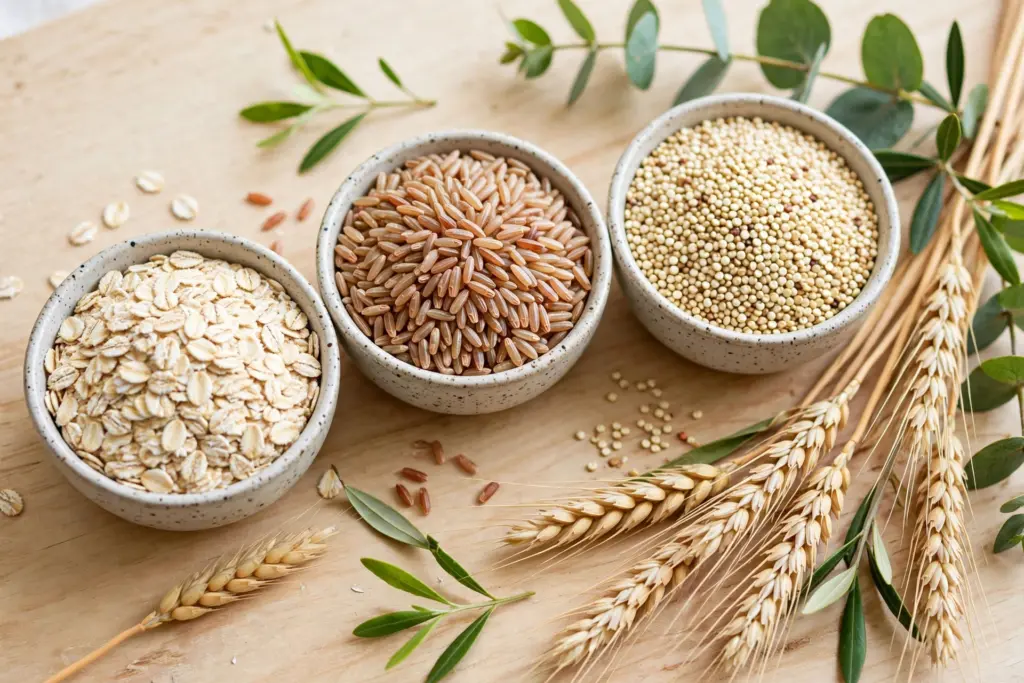
Whole grains deserve a special mention. A 2026 meta-analysis of randomized trials in the European Heart Journal found that eating about four to six servings of whole grains a day (roughly 60–100 grams dry weight) was linked with meaningful improvements in cholesterol, blood pressure, blood sugar, body weight, and waist circumference — particularly in people with type 2 diabetes. Current U.S. guidelines recommend two to four servings of whole grains daily, so think of that as the floor, not the ceiling.
And then there’s produce. WHO recommends at least 400 grams of fruits and vegetables a day — about five servings — noting that carbohydrate intake should come primarily from whole grains, vegetables, fruits, and pulses. That 400-gram target is one of the simplest whole-food goals you can set.
Start with swaps, not overhauls
The fastest way to eat more whole foods is to replace things you’re already eating, not to add a whole new routine. Each swap is tiny. Together, they move a lot of food.
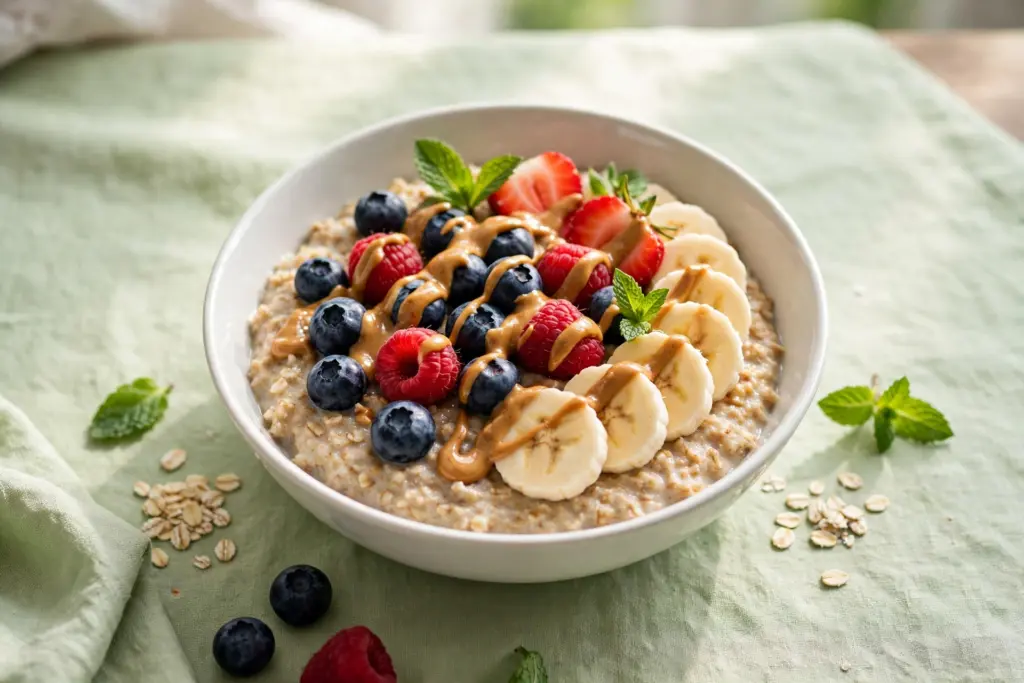
Breakfast: This is the easiest meal to upgrade, because it’s the most repetitive. Swap sugary cereal for oatmeal topped with berries and a spoonful of peanut butter. Swap the bagel for whole-grain toast with avocado. If you drink juice, eat the whole fruit instead — a whole orange has several grams of fiber; a glass of orange juice has almost none.
Lunch: Keep the sandwich, change the scaffolding. Whole-grain bread, an extra handful of vegetables, and a legume-based side (lentil soup, hummus, bean salad) turn a familiar lunch into a fiber delivery system. If you buy lunch out, the grain bowl or salad bar is your friend — just watch the dressing.
Snacks: Snacks are where whole foods quietly win. An apple with peanut butter, a handful of almonds, baby carrots with hummus, or a small bowl of berries out-satisfy a vending-machine snack at the same calorie count, because the fiber and water keep you full longer.
Dinner: You don’t have to cook from scratch. Brown rice instead of white, a second vegetable instead of a bigger portion of the starch, or tossing a can of beans into pasta sauce are five-minute moves. One useful rule: make plants the largest visual feature on your plate, following the classic plate method — half the plate vegetables and fruit, with whole grains and protein filling the rest.
Read the label like a detective
“Made with whole grains” on the front of a package tells you almost nothing — a cracker can wear that claim while being mostly refined flour and sugar. The back of the package tells the truth.
For grain products, look at the ingredient list first. The first ingredient should literally be a whole grain — “whole wheat flour,” “whole oats,” “brown rice.” “Wheat flour” without the word “whole” is just white flour with better marketing. A “100% whole grain” or “whole grain” stamp from the Whole Grains Council is a helpful shortcut when you spot one, but the ingredient list is the final word.
Read also: How to Build a Daily Hydration Routine
Then scan for the three things whole foods naturally lack: added sugars under their many aliases (syrup, concentrate, anything ending in -ose), long lists of additives, and sodium levels that make you blink. None of these automatically disqualify a food, but when a “whole grain” bar has more sugar than a cookie, the label has done its job — it told you to put it back.
Make whole foods the easy choice
Willpower is a terrible grocery strategy. Environment wins. The trick is arranging your kitchen so the whole-food option is the path of least resistance.
Keep a produce anchor. Buy two or three fruits and vegetables you actually like and always have them around — bananas and apples need no prep at all. Wash and cut the rest right after shopping so they compete with the chips on convenience.
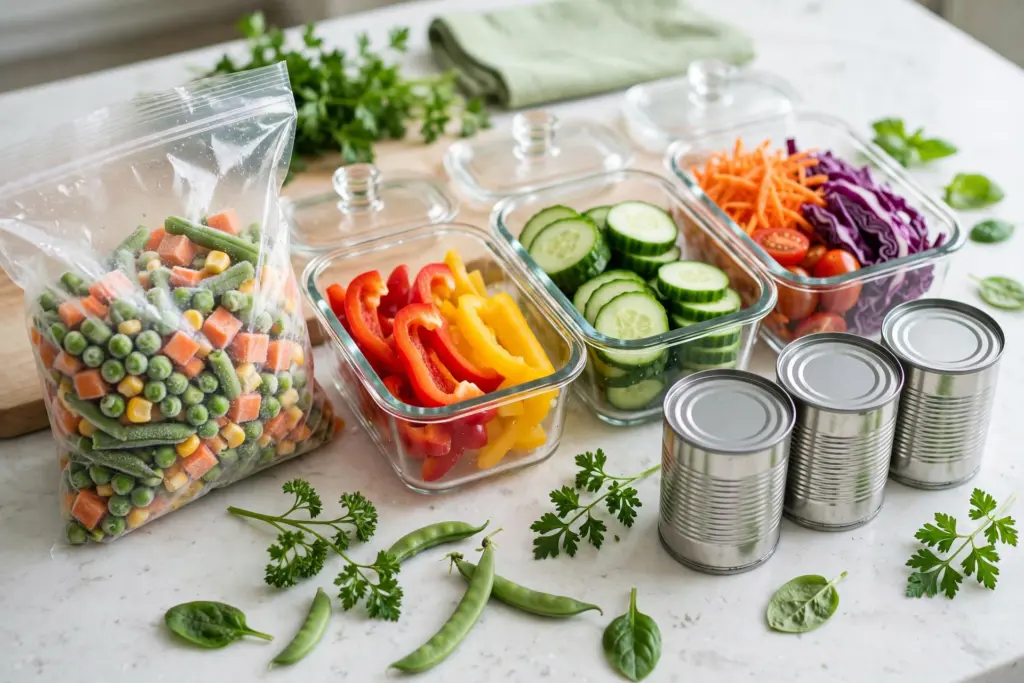
Befriend frozen and canned. Frozen vegetables and berries are picked ripe and flash-frozen; nutritionally they stand up to fresh, and WHO’s guidance explicitly includes frozen and canned produce as good choices (just skip added sugars and heavy sodium). Canned beans, lentils, and tomatoes are whole foods with a years-long shelf life. Stock them and you’ll never be more than 15 minutes from a real meal.
Batch one thing, not everything. You don’t need a Sunday of meal prep. Cook one big batch of something versatile each week — brown rice, quinoa, lentils, or roasted vegetables — and let it fill in around the edges of three or four dinners.
Stock the middle ground. Plain nuts and seeds, whole-grain crackers, popcorn kernels, and peanut butter with one or two ingredients are shelf-stable whole foods that turn a snack emergency into a non-event.
Three traps to avoid
1. Going from zero to fiber hero overnight. If your current diet is low in fiber, doubling it in a day is a recipe for bloating and regret. Add fiber gradually over a couple of weeks and drink enough water — fiber needs fluid to do its job comfortably. Persistent digestive symptoms are a sign to slow down and talk with a healthcare professional, not to power through.
2. Letting perfect be the enemy of better. Whole foods don’t have to be organic, local, or exotic. Frozen peas count. Canned black beans count. The plain brown rice in the bulk bin counts. If upgrading to whole foods means spending twice as much on specialty products, simplify instead.
3. Falling for whole-grain impostors. As the European Heart Journal editorial on the whole-grain meta-analysis warned, watch out for ultra-processed products that merely add some whole grains to an otherwise highly processed recipe. The source and processing of the food matters as much as the label claim.
Frequently asked questions
Is 100% juice as good as whole fruit?
No. Juicing removes most of the fiber, and even unsweetened juice concentrates the fruit’s natural sugars. Whole fruit gives you the fiber, the water, and the chewing that slows you down. Eat the orange; skip the carton.
Do frozen and canned fruits and vegetables count as whole foods?
Yes. They’re typically processed very little — often just washed, cut, and frozen or packed. Choose versions without added sugars, syrups, or excess sodium, and they’re nutritionally comparable to fresh.
How quickly should I increase my fiber intake?
Gradually, over two to three weeks. Add one high-fiber food at a time — say, beans at lunch or oatmeal at breakfast — and increase your water intake alongside it. A sudden jump often causes gas and bloating.
Can I eat more whole foods on a tight budget?
Often more cheaply than before. Dried beans, lentils, oats, brown rice, frozen vegetables, bananas, and cabbage are among the cheapest foods in any grocery store. The expensive version of whole-food eating is a choice, not a requirement.
Sources
- World Health Organization. Healthy diet — recommends at least 400 g of fruits and vegetables and 25 g of naturally occurring dietary fiber per day for adults.
- World Health Organization. WHO updates guidelines on fats and carbohydrates — carbohydrate intake should come primarily from whole grains, vegetables, fruits, and pulses.
- Naghshi S. et al. Whole-grain consumption and cardiometabolic risk: a meta-analysis of randomized trials. European Heart Journal, 2026. Summary via CNN Health — four to six servings of whole grains daily linked with improved cholesterol, blood pressure, and blood sugar markers.
- High Fiber Foods: USDA Grams Per Serving and Daily Target — U.S. dietary guidance fiber benchmark of 14 g per 1,000 calories (~25 g/day for women, ~38 g/day for men under 50).
This article is for general information only and is not medical advice. If you have a health condition or take medication, talk with a qualified healthcare professional before making significant changes to your diet.